Strait of Hormuz: 4 tankers hit, Trump says US doesn't need Iran deal
Iran says four tankers that ignored its warnings hit explosions in Hormuz, as Trump pulls Vance off the talks. What it means for oil and for Pakistan.
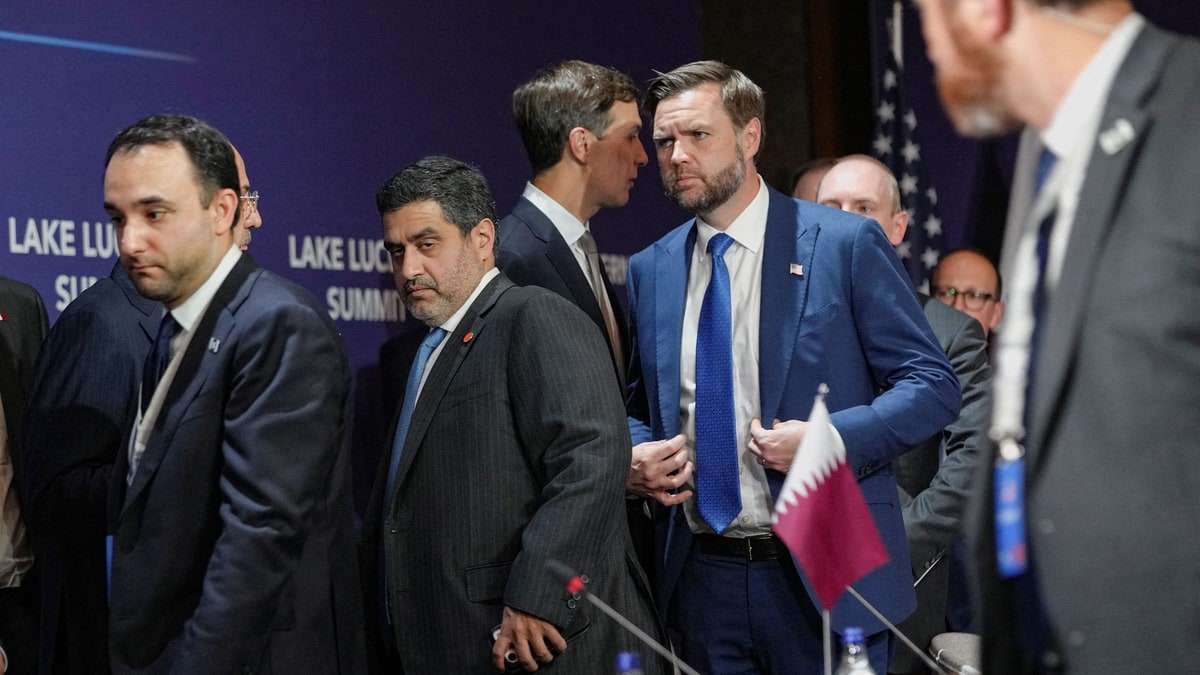
Four oil tankers were struck by explosions in the Strait of Hormuz on Thursday, 12 November, Iran’s military said, hours before President Donald Trump declared that the United States does not need a deal with Iran. Together, the two pieces of news pushed oil prices back up and made a quick end to the Iran war look less likely.
What happened in the Strait of Hormuz
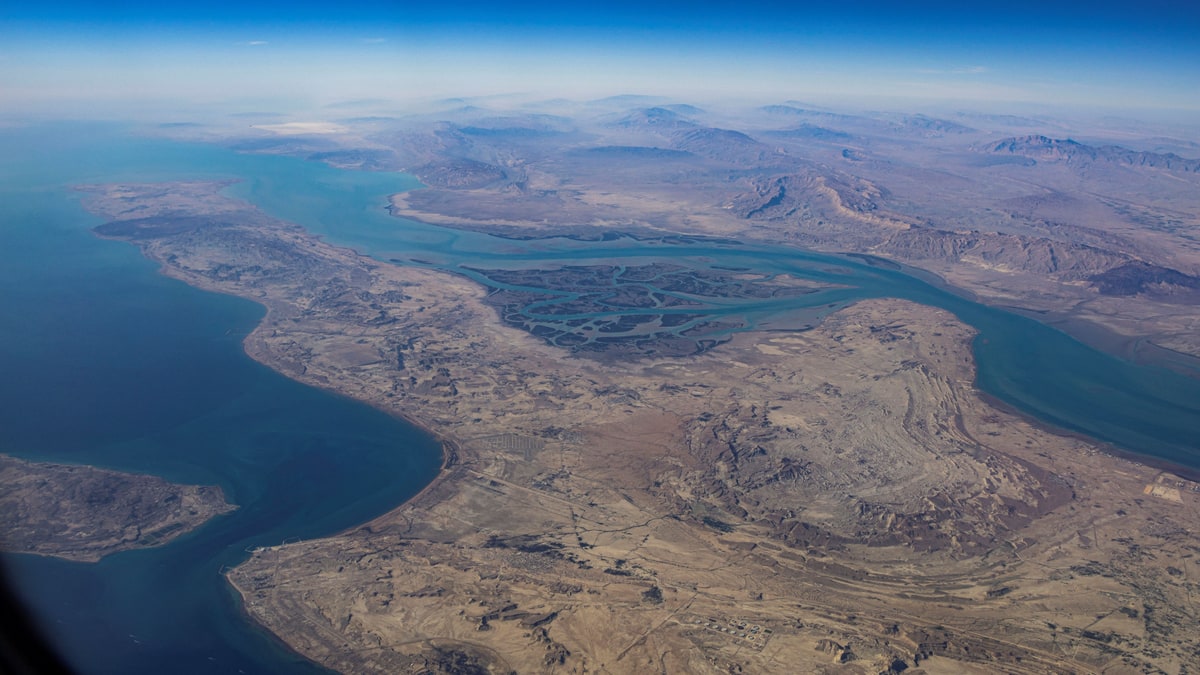
Iran’s military said the four tankers had ignored warnings and entered waters it considers restricted, Reuters reported. Reuters said it could not verify Iran’s account.
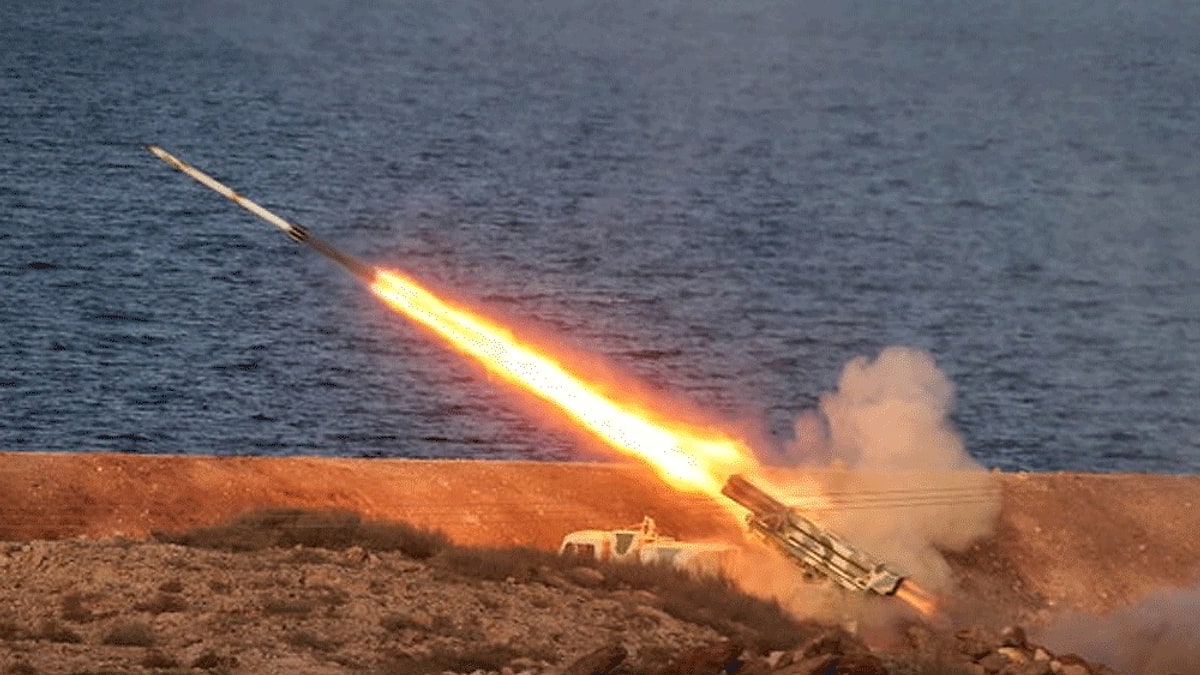
Iranian accounts of the cause differed. State media said two vessels blew up after hitting naval mines, and the army later said two more tankers hit mines that afternoon in the eastern part of the strait and caught fire. The Revolutionary Guards had already said that two supertankers were disabled by explosions on Wednesday. Separately, the UK Maritime Trade Operations agency (UKMTO) reported a ship hit by an unidentified projectile northwest of Ras Al-Khaimah as it left the strait.
At least 10 ships were hit in the first 10 days of November, according to the Washington Institute for Near East Policy.
Iran’s seven conditions
Iran says the strait stays shut until the US meets seven demands. Security official Mohsen Rezaei listed them on Wednesday, Middle East Monitor and Al Jazeera reported: lift the naval blockade, guarantee safe passage for ships, lift unilateral sanctions, exempt Iranian oil exports, release frozen assets, keep nuclear material inside Iran, and end the war. Parliament speaker Mohammad Bagher Ghalibaf said the terms were sent through a Qatari mediator and the “ball is in Washington’s court”.
Trump: ‘We don’t need a deal’
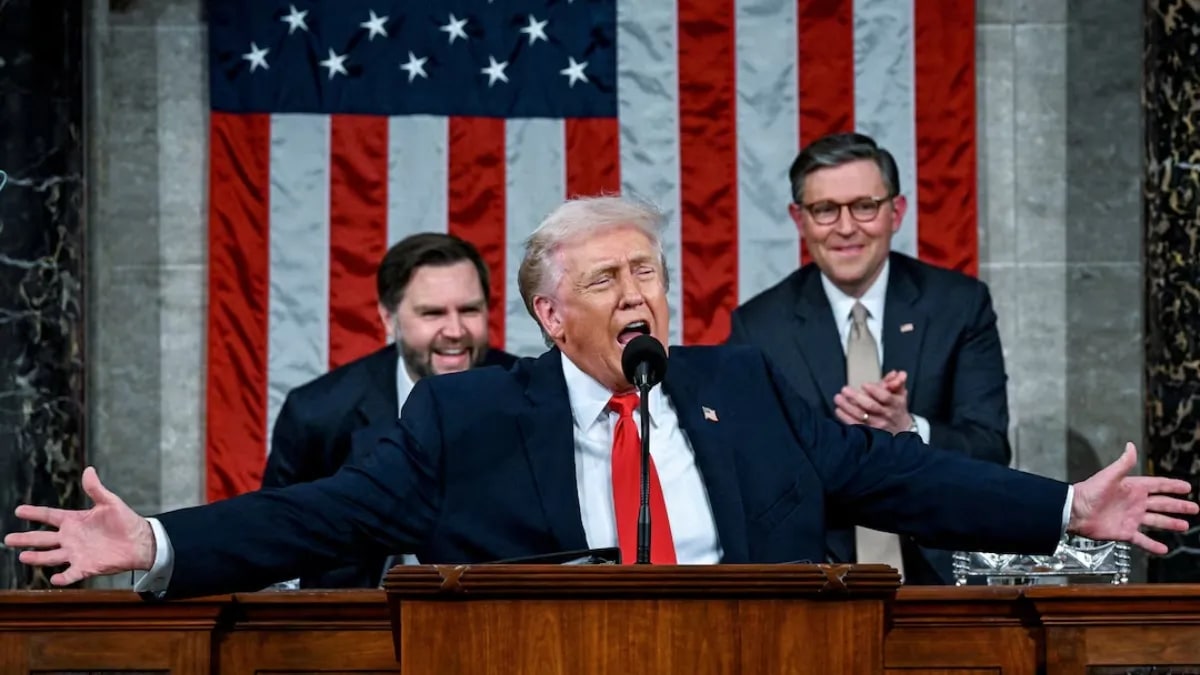
On Truth Social, Trump wrote that the US does not need a deal with Iran and told Vice President JD Vance to turn his attention to crime and corruption in Democratic-run US cities instead, Reuters, CNN and NBC News reported. Later the same day, CNN reported, Trump conceded that walking away with Iran’s current government still in power would be a “defeat”.
The shift follows the Republicans’ heavy midterm losses. A day earlier, Vance, who had been leading efforts to end the conflict, questioned whether the war was worth the cost and blamed it for the election results, Reuters reported.
Oil prices
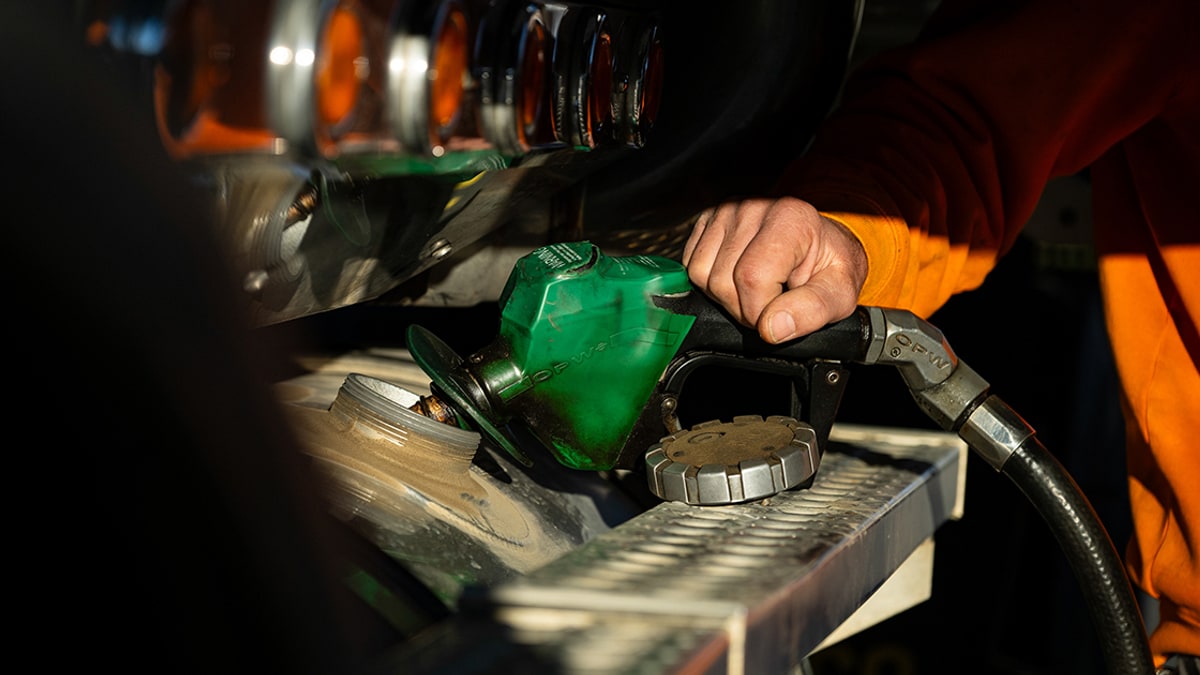
Oil settled about $3 a barrel higher on Thursday after attacks on Saudi energy sites and the Hormuz disruption, Yahoo Finance reported, and Axios said prices jumped after Trump’s post because markets had been trading as if the war was nearly over. US crude was near $87.50 early on Friday, FXStreet reported, after a rise in US stockpiles.
Why it matters for Pakistan
Pakistan imports most of its oil, much of it through the Gulf, so every jump in crude feeds into the next fortnightly petrol price decision. The government cut petrol prices again this week; a lasting rise in oil would make the next review harder. Millions of Pakistanis also work in Gulf countries, and their remittances, $3.9 billion in October, up 13.8% on a year earlier according to the State Bank, depend on the region staying stable.
What to watch
Whether Washington answers Iran’s seven conditions at all, and whether shipping companies keep sending tankers through the strait. Both decide how high oil goes from here.