US strikes Iran's Qeshm Island near Hormuz on eve of midterms: what was hit
US officials call Monday's strikes on Qeshm Island 'defensive'. What was reportedly hit, how Iran replied and why oil jumped again.
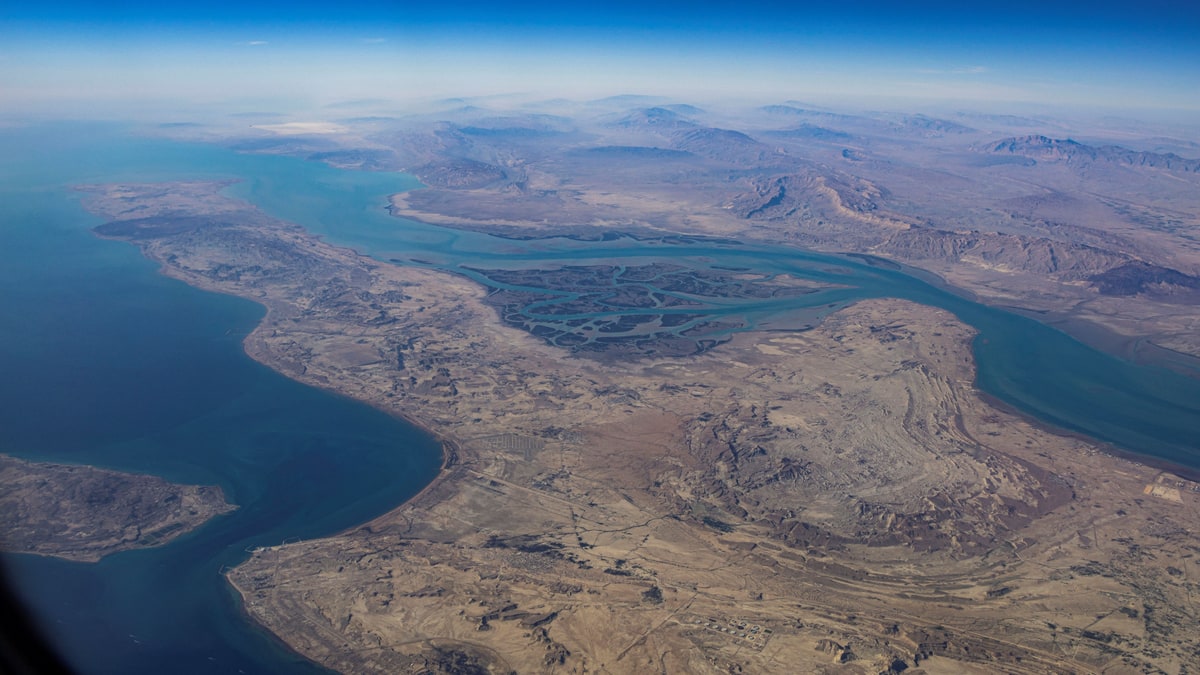
The United States struck Iran’s Qeshm Island in the Strait of Hormuz on Monday, 2 November, US officials said, a day before Americans vote in the midterm elections. Officials described the strikes as limited and “defensive”, aimed at stopping Iran from threatening ships in the strait.
The Pentagon has not formally announced the operation, and US Central Command did not comment. What is known comes from US officials speaking to American media without being named.
What was hit on Qeshm Island?
A senior US official said a US fighter jet struck and destroyed a surface-to-air missile launcher on the island, after Iran’s Revolutionary Guards fired at an American aircraft, according to media reports. Other officials said the strikes were meant to limit Iran’s ability to attack commercial shipping.
Iranian state media reported several explosions on Qeshm. There has been no confirmed figure for damage or casualties from either side.
US officials said this was not a return to full-scale fighting. According to media reports, it was one of a series of limited US operations in recent weeks that Washington had not publicly acknowledged.
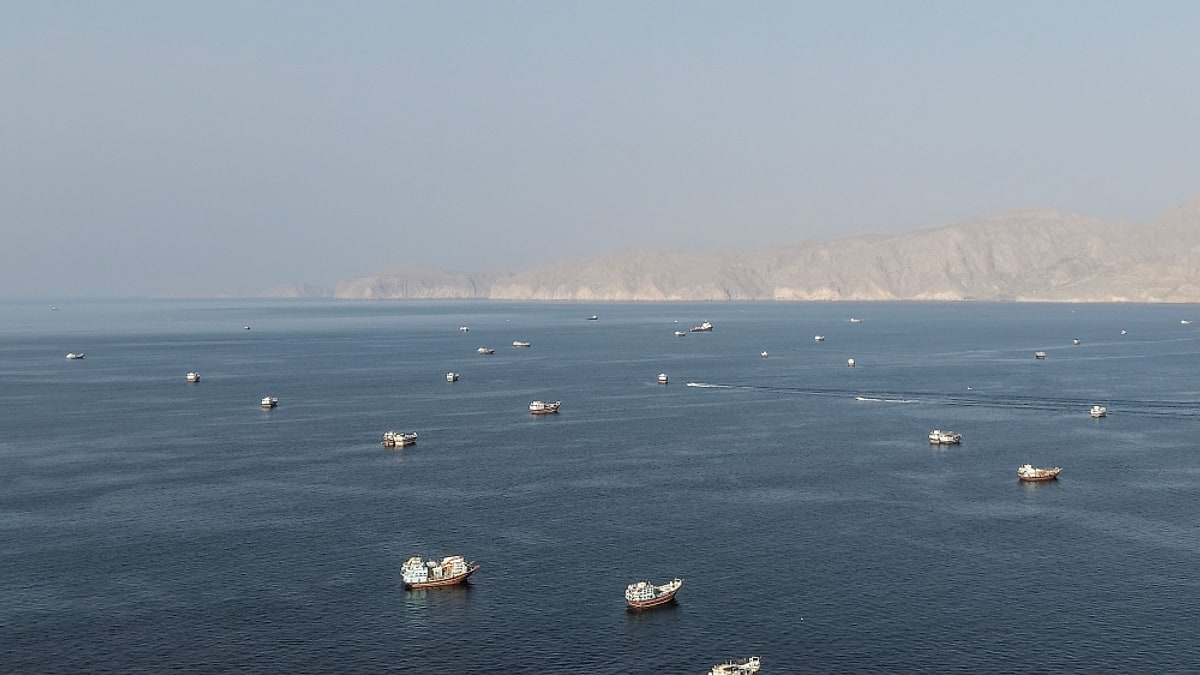
Qeshm is Iran’s largest island and sits at the narrowest part of the Strait of Hormuz, the route for a large share of the world’s seaborne oil, including much of what reaches Pakistan from the Gulf.
How Iran responded
Iran’s parliament speaker Mohammad Bagher Qalibaf said on Tuesday that Tehran had given Washington a “strong and rational response” in the indirect talks, adding: “The ball is in the US’ court.” A senior Iranian official said the two sides were still far apart and Iran would not accept what he called excessive US demands, including before the US lifts its naval blockade.
US Vice President JD Vance, meanwhile, said Washington had made “progress” in the indirect talks, which Qatar is helping to mediate.
Why oil jumped again
Oil had fallen more than 7 per cent on Monday on hopes of a deal. After the strike, Brent crude rose $1.84 to $106.61 a barrel by mid-morning on Tuesday, and US crude rose $1.60 to $98.06. Brent ended October at a six-month high.
What it means for Pakistan
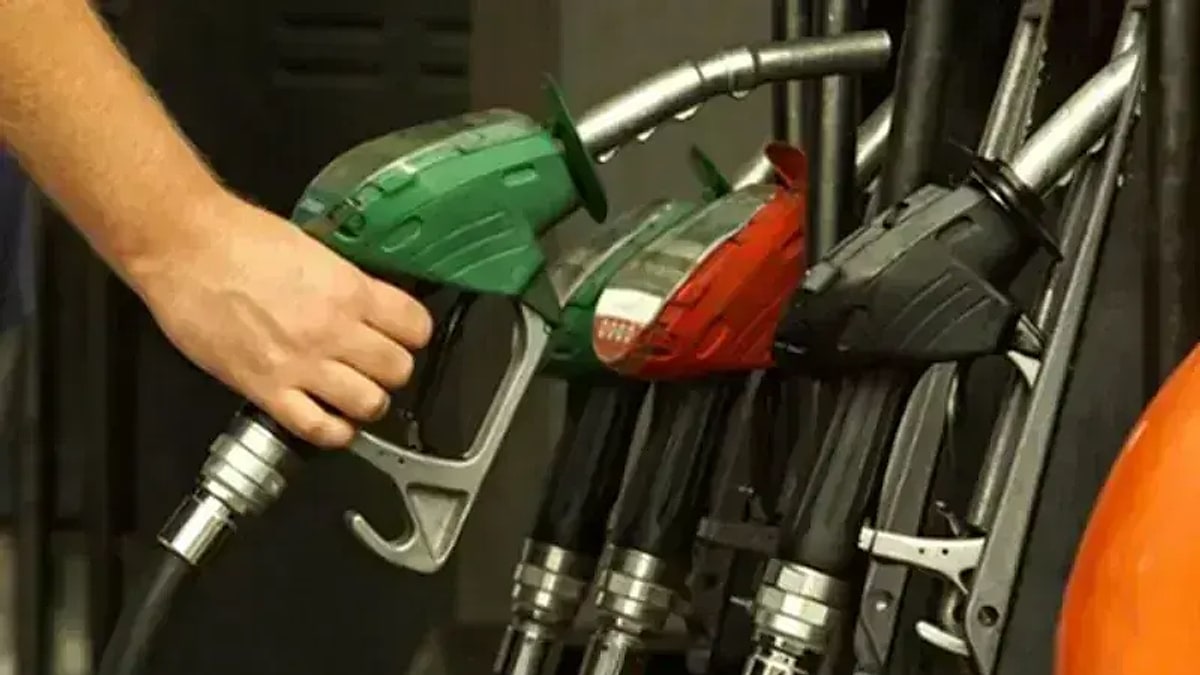
Pakistan buys most of its oil and gas through Hormuz. The government cut petrol by Rs3.40 and diesel by Rs7.76 from Tuesday on the back of Monday’s fall, but fuel prices are now revised daily, so a lasting rise in crude would show up at the pump quickly. A Pakistan-bound LNG tanker was attacked near Hormuz only days ago.
The next thing to watch is Tuesday’s US vote and whether President Donald Trump, who has floated resuming wider strikes after the midterms, keeps talking or escalates.