Is the Iran war over? Trump says 'militarily effectively over', blockade stays
Trump says the fighting is basically done, Rubio sees no need for big combat operations, yet tankers still burn and Iran denies talks. What is true so far.
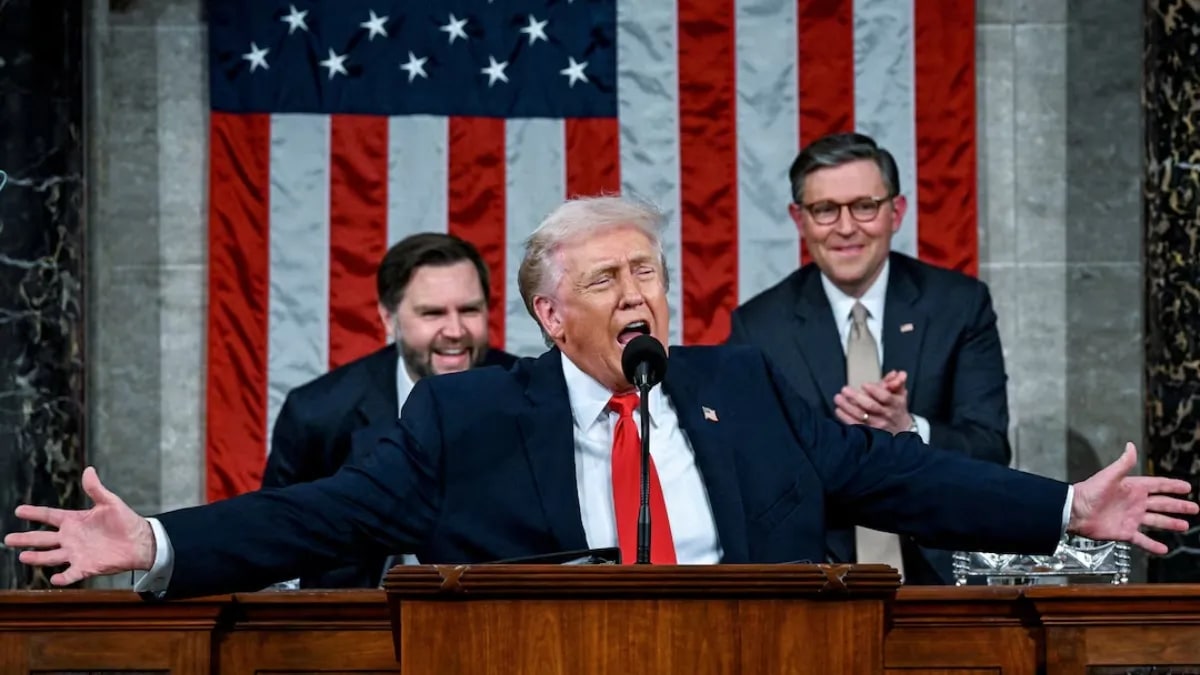
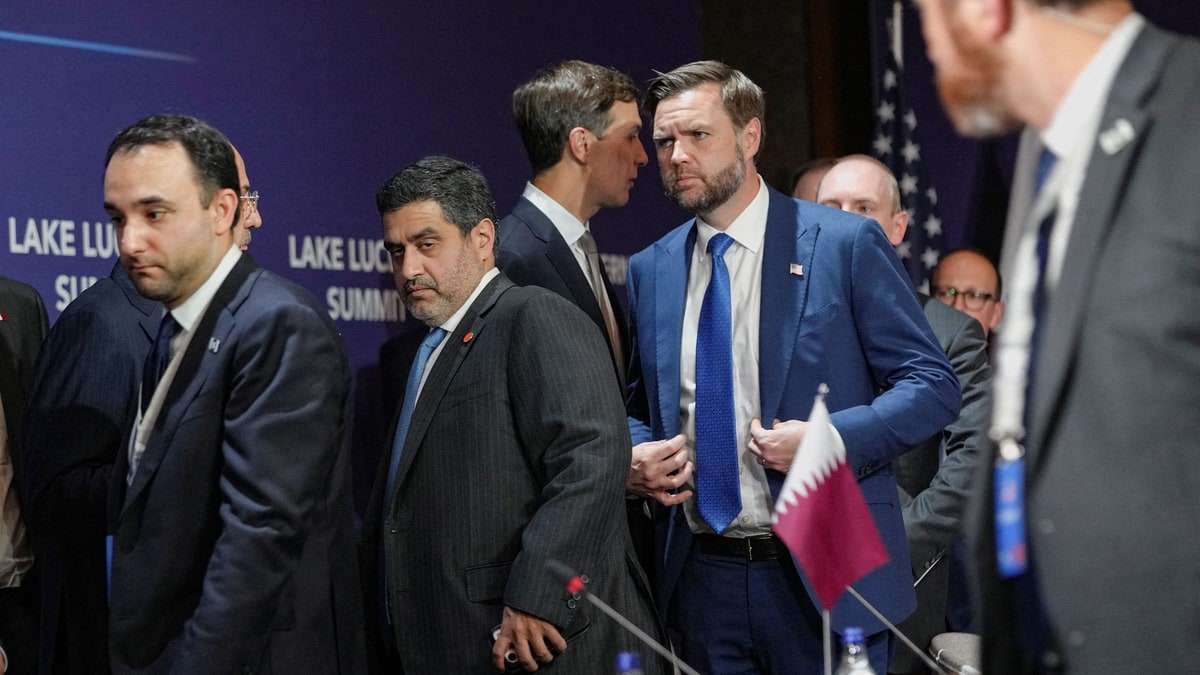
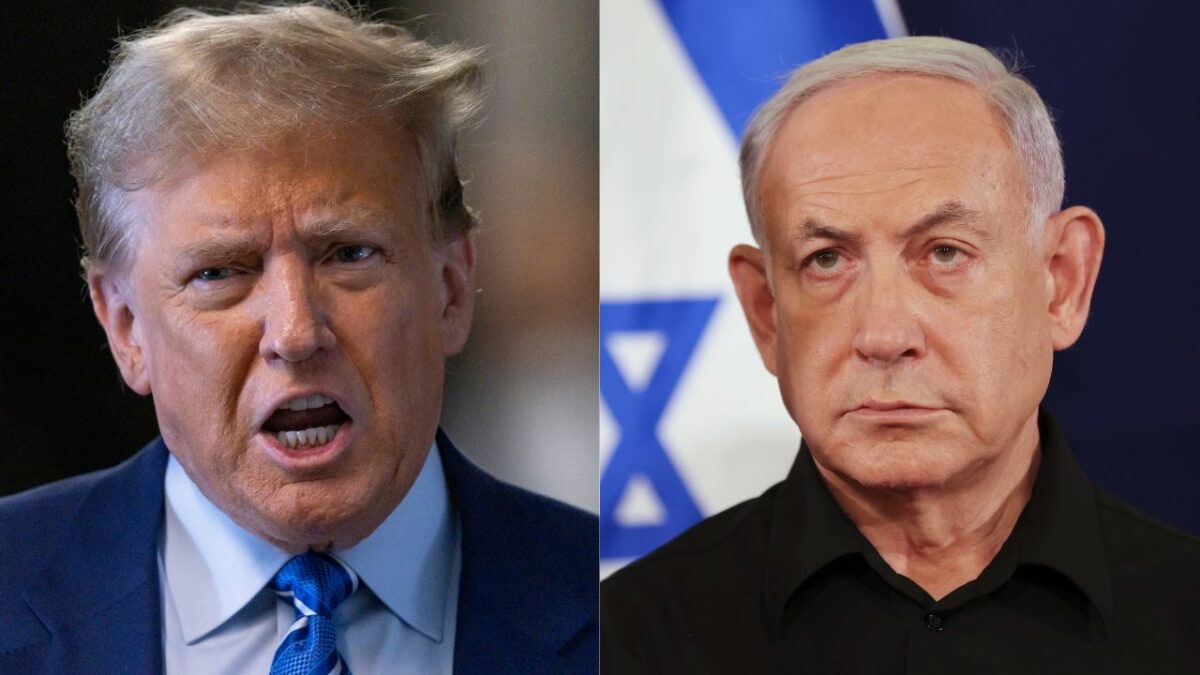
US President Donald Trump said on Monday, 9 November, that he believes the war with Iran is “militarily effectively over”, after meeting Qatar’s prime minister. He also spoke of “positive momentum” towards ending it, but added that the US is “locked and loaded” if anything changes, AP and other outlets reported. The administration has not formally declared the war over, and the naval blockade and sanctions on Iran stay in place.
What the US is saying
Secretary of State Marco Rubio said on Tuesday that there is no need for major combat operations against Iran, because the US economic campaign is doing the work, Reuters reported. In other words, Washington is moving from bombs to pressure: ships, sanctions and the blockade.
That is not the same as peace. AP reported that the US military still carried out limited strikes on Iran, including on its air defences, at least twice in the past week. And Rubio has also called Tehran’s demands in any talks “simply unacceptable”.
What Iran is saying
Iran’s top security official said no talks are under way with the US, Reuters reported. So while Trump talks of momentum, Tehran publicly denies there is a negotiation at all. Qatar, which has mediated before, is the channel most people are watching.
The war is not quiet at sea
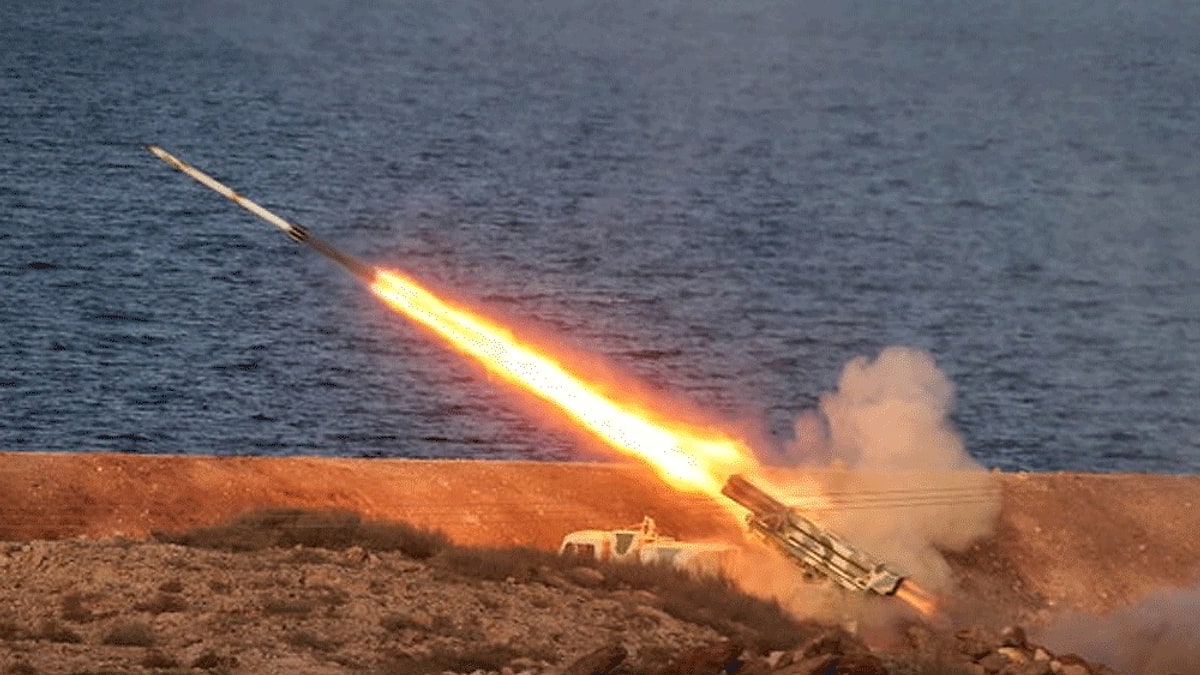
Tankers were still burning in Gulf waters this week despite the hopes of de-escalation, Reuters reported. Saudi Arabia shot down missiles fired at Riyadh after a Houthi attack on a pipeline, Al Jazeera reported. And the US moved aircraft away from a second base in the UK over what it called a threat from Iran.
The fight in Washington
At home, the war has become a political problem. Republican congressman Thomas Massie filed eight articles of impeachment against Defence Secretary Pete Hegseth on Monday, three of them about Iran: starting the war without Congress, ignoring a resolution to end it, and running it past the 30-day War Powers limit, CBS News reported. One article cites a strike on a school in Minab that killed or injured more than 200 civilians. Party leaders moved on Tuesday evening to kill the resolution. Hegseth called it a sham, and Trump said he backs him.
Why it matters in Pakistan
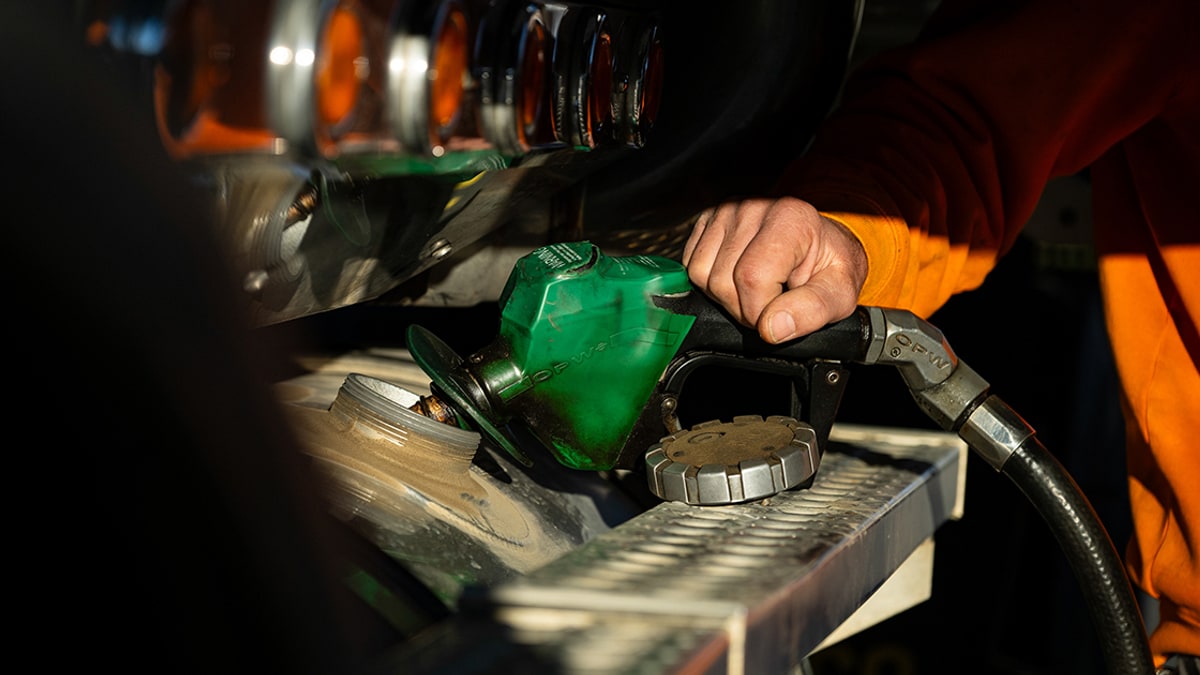
The first effect is already at the pump. Brent crude briefly fell below $90 a barrel for the first time since August, and Pakistan cut petrol by Rs8 a litre from 11 November. A real end to the fighting would also ease LNG shipments through the Strait of Hormuz, lower freight costs, and calm the Gulf economies where millions of Pakistanis work and send money home. A flare-up would reverse all of that within days.
What to watch
Three signals: whether Iran’s attacks on ships stop, whether the US announces an end to strikes, and whether Qatar confirms any talks. Until then, “effectively over” describes how Washington sees the fighting, not a signed ceasefire.