East-West pipeline Saudi Arabia: Medina attack, Houthi missiles at Riyadh
Saudi Arabia says its East-West oil pipeline was hit near Medina; the Houthis deny that but claim other strikes. Why this pipe matters for oil and Pakistan.
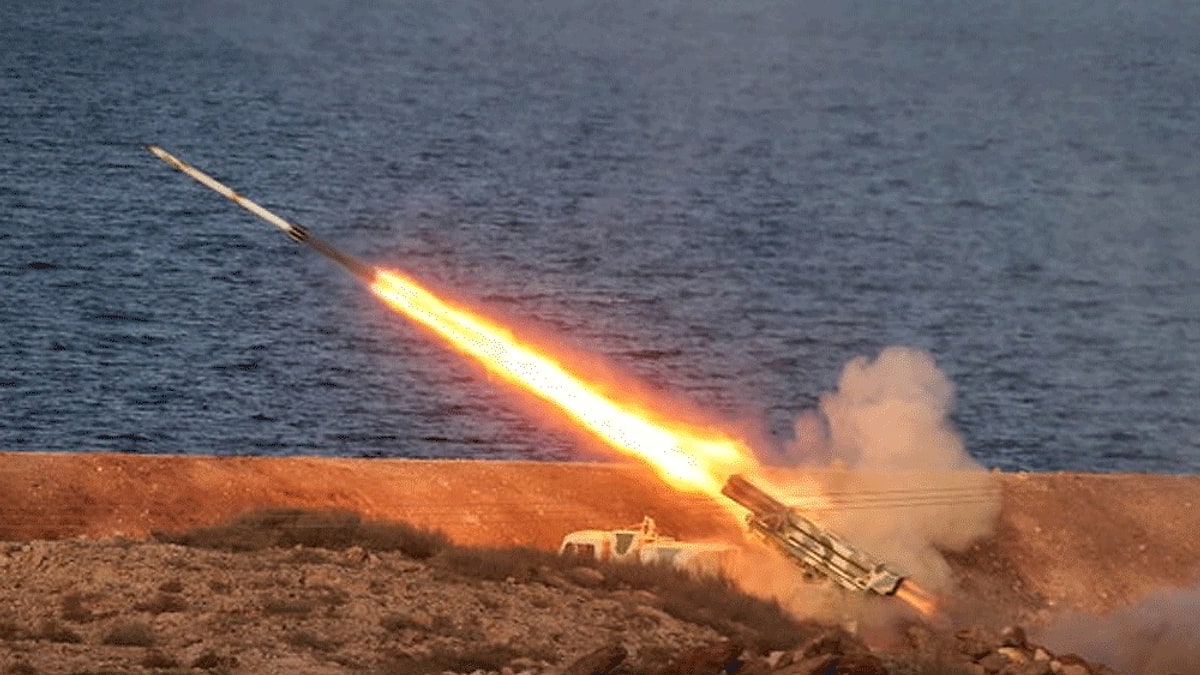
Saudi Arabia’s East-West oil pipeline, the route it has used to get crude around the blocked Strait of Hormuz, was hit again on Monday, 9 November. Saudi state media said an attack in the Medina region started a “limited fire”, with no deaths or injuries, and that operations were not affected.
A day later the Saudi-led coalition said it had shot down missiles fired at Riyadh. That is why “east west pipeline saudi arabia” became a top Google search in Pakistan.
Who did it?
Saudi authorities did not say who they blamed for the Medina attack. Yemen’s Houthis denied it: their military spokesman Yahya Saree called the Medina claim a lie, but said the group had struck “several pumping stations” on the pipeline in the Riyadh area, Business Recorder reported, citing Reuters. Neither side’s account has been independently confirmed.
On Tuesday, 10 November, the coalition said it intercepted a ballistic missile and a cruise missile fired towards Riyadh, another ballistic missile aimed at the south and a drone over the oil-rich east, according to Reuters. Sirens sounded in Riyadh, Abha and Khamis Mushait before civil defence said the threat had passed. Saree claimed hits on King Khalid International Airport and an oil site at Abqaiq; there was no immediate Saudi comment on those claims. Yemen’s Saba news agency reported Saudi airstrikes on Sanaa in return.
Why this pipeline matters
The pipeline carries crude about 1,200 km from the eastern oilfields to Yanbu on the Red Sea. Since the Iran war choked traffic through Hormuz, Riyadh has pushed about 4 million barrels a day through it, Reuters reported. It is not the first hit: an attack in September, which Saudi Arabia blamed on Iran-backed militias in Iraq, put it out of action for several weeks, Al Jazeera reported.
Fighting between the Houthis and Saudi Arabia has grown since September, when the Houthis advanced towards the Bab el-Mandeb strait at the mouth of the Red Sea. That puts Saudi Arabia’s escape route for oil within range too.
What it means for Pakistan
Pakistan buys most of its crude and much of its fuel from Saudi Arabia and the Gulf, and lakhs of Pakistanis work there. Oil had just slipped to a two-month low on hopes that the US-Iran fighting was ending, which helped the government cut petrol by Rs8 a litre this week. Any lasting damage to the East-West line would push those hopes back, and pump prices with them.
Watch for Saudi Aramco’s word on pumping volumes and whether Brent jumps when markets reopen.