Strait of Hormuz deal: Trump calls Iran strikes unlikely after Qatar talks
Trump met Qatar's prime minister on Monday and said new strikes on Iran look unlikely. Both sides now argue over who moves first to reopen Hormuz.
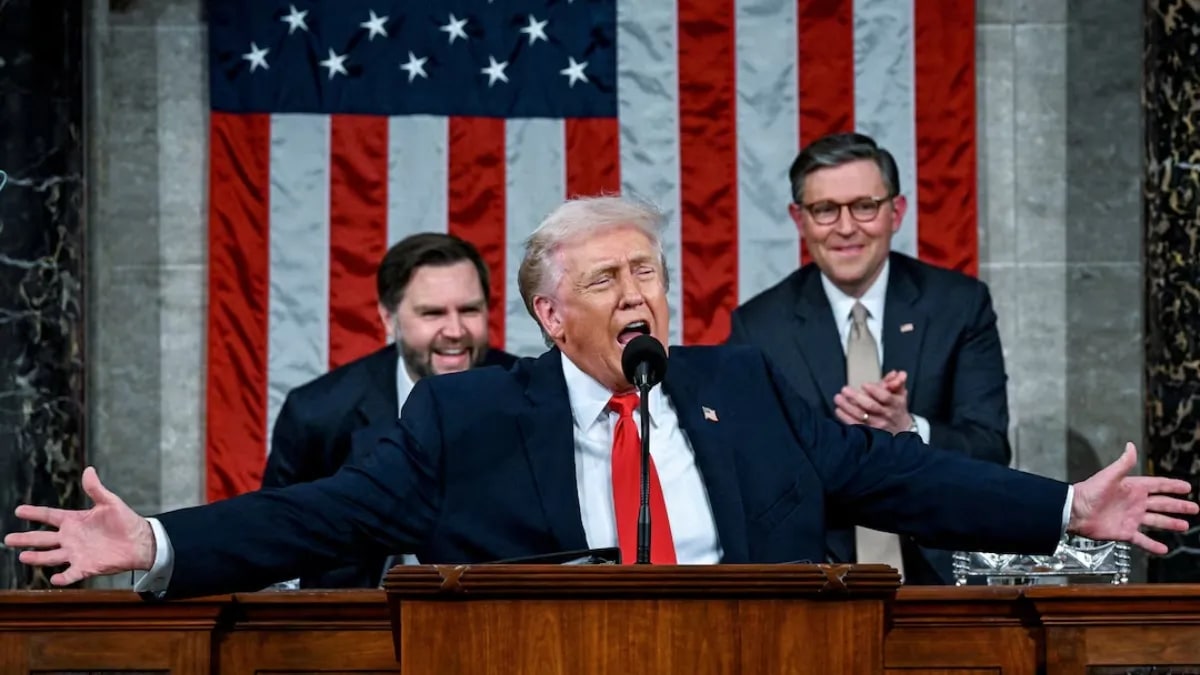
US President Donald Trump said on Monday, 9 November, that new American strikes on Iran look “highly unlikely” as long as talks keep moving, after he hosted Qatar’s prime minister at the White House. The open question now is not whether the Strait of Hormuz reopens, but who goes first: Washington or Tehran.
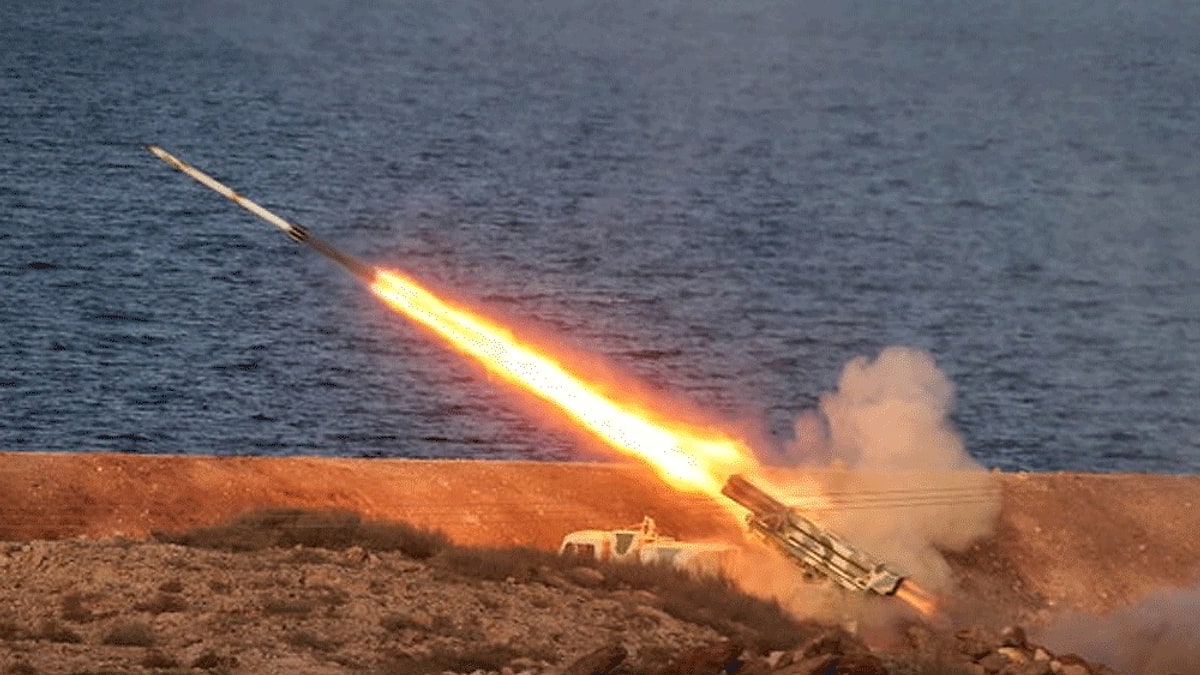
No agreement was announced. But oil markets took the meeting as a sign that the war, which began with US and Israeli strikes on Iran on 28 February, may be heading for a pause.
What happened at the White House?
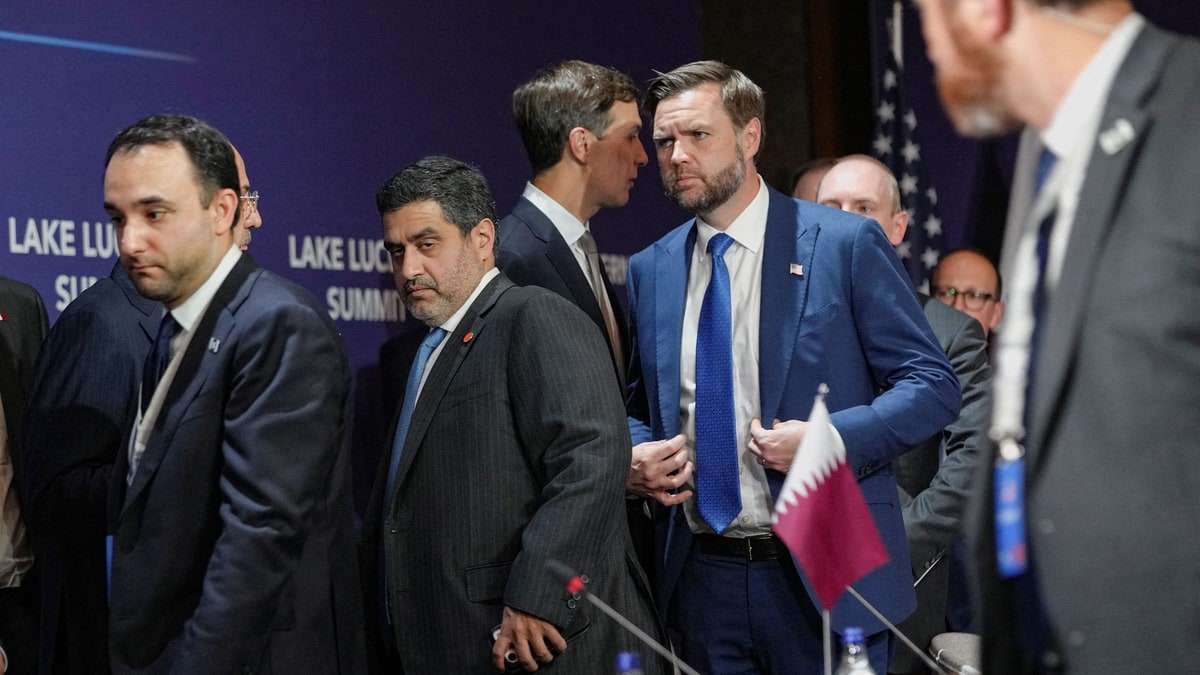
Sheikh Mohammed bin Abdulrahman Al Thani, who is both Qatar’s prime minister and foreign minister, met Vice President JD Vance and then Trump on Monday. Qatar is the main go-between in the indirect talks.
Trump called the meeting “excellent”. He said he was in no rush to restart strikes while the US naval blockade of Iranian ports stays in place, and that US forces remain ready if that changes. Speaking to CNN, he said fresh strikes were “highly unlikely” if Iran signs what he called “a very strong agreement”. Stopping Iran from getting a nuclear weapon, he said, is not up for negotiation.
Two plans on the table, one big difference
There are two versions of a deal, and they differ mainly on order.
Qatar’s plan, sent on 6 November according to media reports, works over two days:
- Day one: the US lifts the naval blockade and releases part of Iran’s frozen money. In return, Iran formally invites UN nuclear inspectors (the IAEA) to the nuclear sites bombed in the war.
- Day two: the Strait of Hormuz reopens, and talks on Iran’s stockpile of enriched uranium follow.
Iran’s version, set out by Foreign Minister Abbas Araghchi, asks the US to act first: end the blockade, ease sanctions and release frozen funds. Iran would then reopen the strait within two days, with nuclear talks in a separate, later stage. “If there is seriousness on the US side to come to a deal and reopen the Strait of Hormuz, everything is now prepared,” Araghchi said. Foreign Ministry spokesman Esmaeil Baghaei called it the most reasonable framework on offer. Araghchi said Tehran is waiting for Washington’s reply.
An Israeli newspaper, Israel Hayom, put the frozen funds in question at $8 billion. Neither government has confirmed that figure.
Who is pushing back?
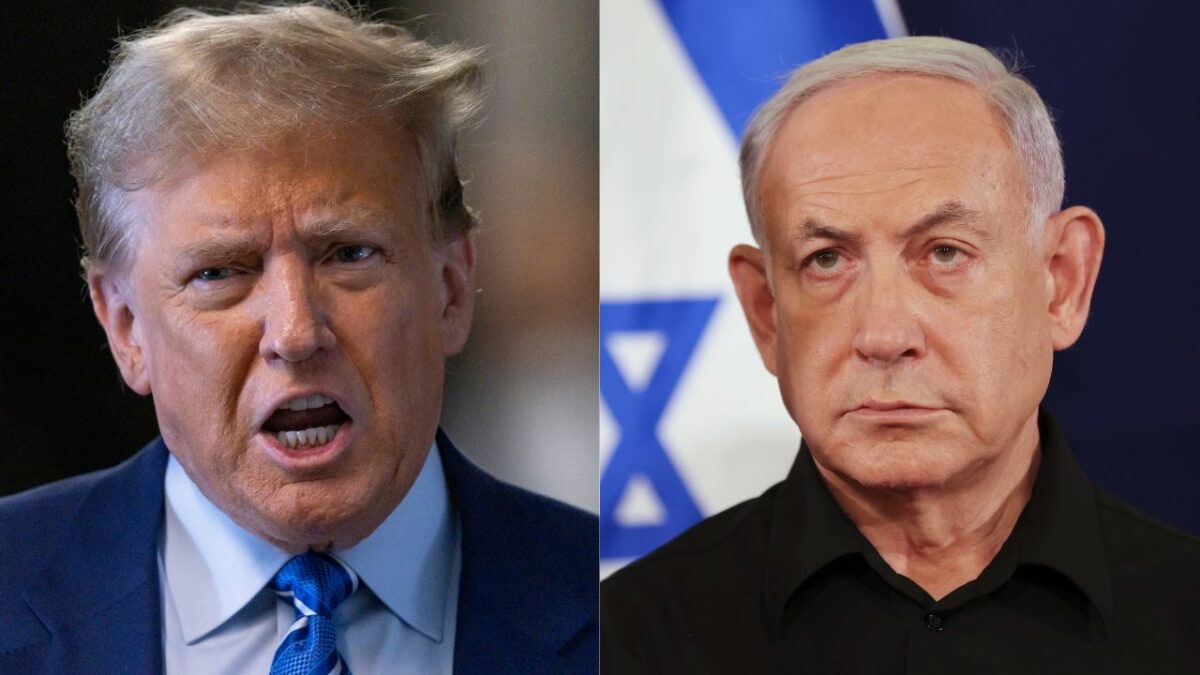
Secretary of State Marco Rubio said on Sunday that some of Iran’s demands were “outrageous and ridiculous and really not realistic”, and that the two sides are not close to a breakthrough. Israel Hayom reported that Rubio, Treasury Secretary Scott Bessent, Defence Secretary Pete Hegseth and Commerce Secretary Howard Lutnick oppose a deal like the one agreed in spring, which collapsed after attacks on commercial tankers. That report is unconfirmed by the White House.
Turkey’s President Recep Tayyip Erdogan said he told Trump directly that Ankara opposes renewed attacks on Iran.
Oil drops on the news
Brent crude fell 5.5% to $92.96 a barrel on Monday, the Associated Press reported, down from more than $112 at the start of November. In the US, the average price of petrol was about to fall below $4 a gallon for the first time in 113 days, according to fuel-price data firm OPIS.
Why it matters in Pakistan
About a fifth of the world’s oil passes through Hormuz, and most of Pakistan’s fuel imports come through the Gulf. Cheaper crude has already shown up here: OGRA cut petrol by Rs6.59 to Rs346 a litre on 7 November, the fifth straight reduction. A reopened strait would ease the pressure on fuel prices, freight costs and the import bill.
It also matters for the millions of Pakistanis working in Saudi Arabia, the UAE and Qatar, whose remittances keep the rupee steady. The fighting has not stopped: Saudi Arabia said it intercepted missiles aimed at Riyadh on Sunday, and debris damaged an Aramco building.
What to watch next
Washington’s formal reply to Iran’s proposal, and whether the US agrees to lift the blockade before the strait opens. If either side moves, oil will react first, and Pakistan’s next fortnightly fuel price review will show it.