Strait of Hormuz: IRGC says 4 oil tankers destroyed by naval mines
Iran's Guards say four tankers hit mines south of Hormuz and are still burning. The claim is unverified. What it means for Pakistan's fuel.
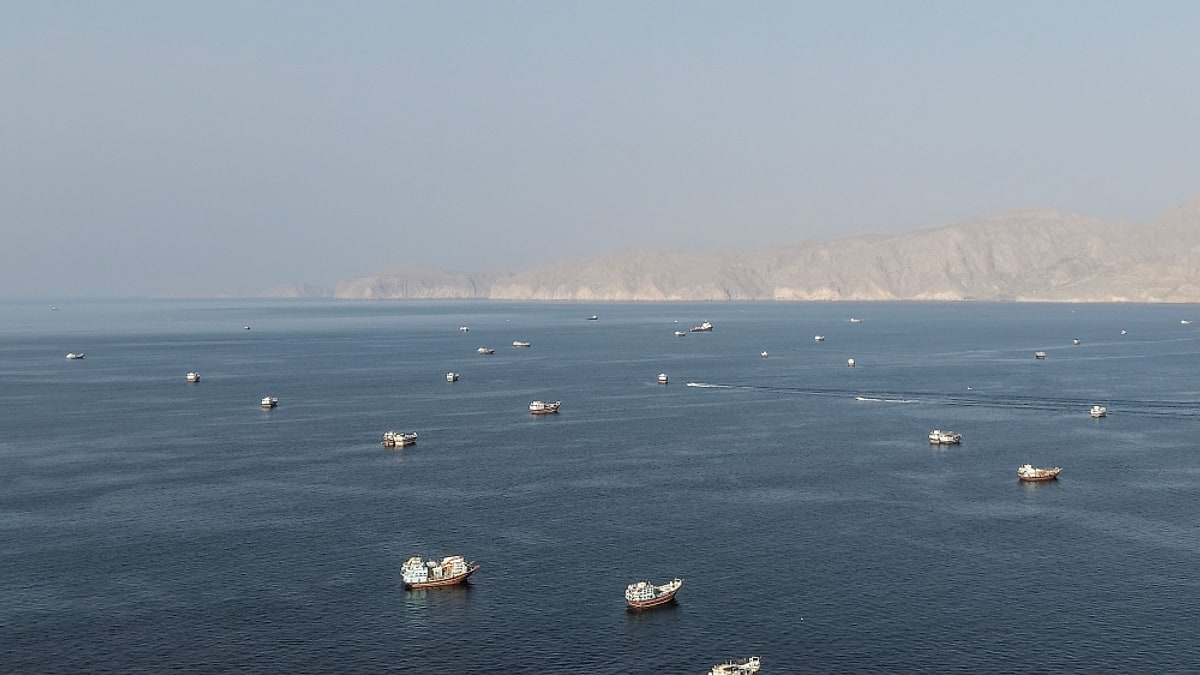
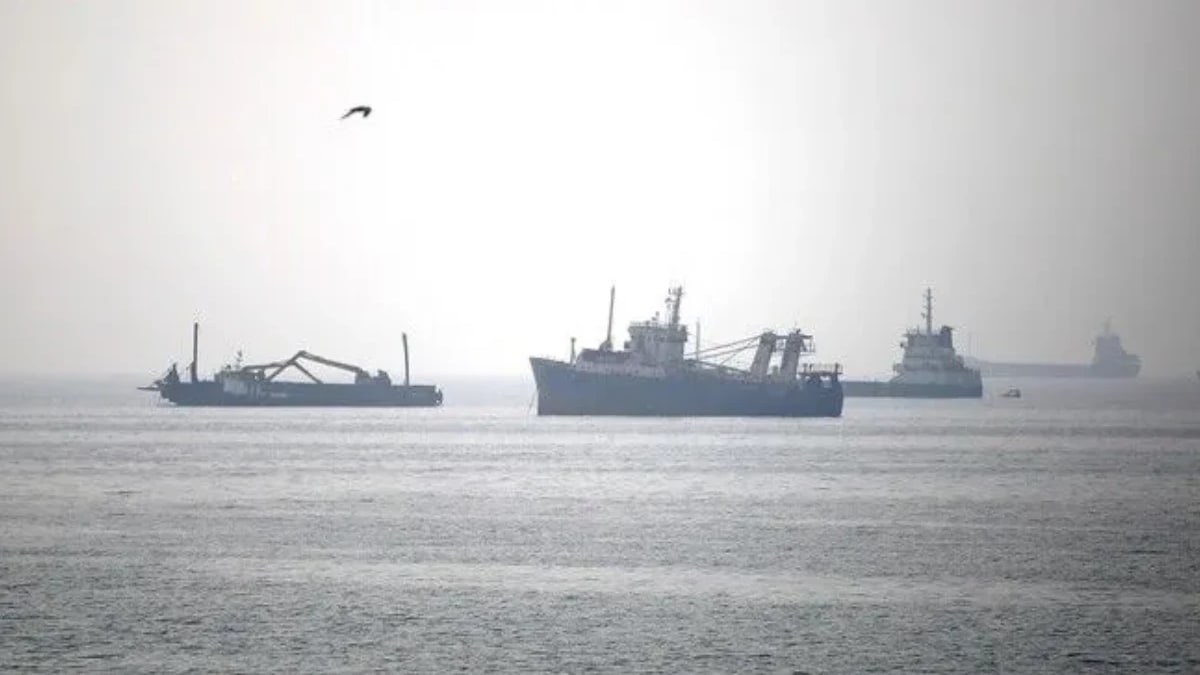
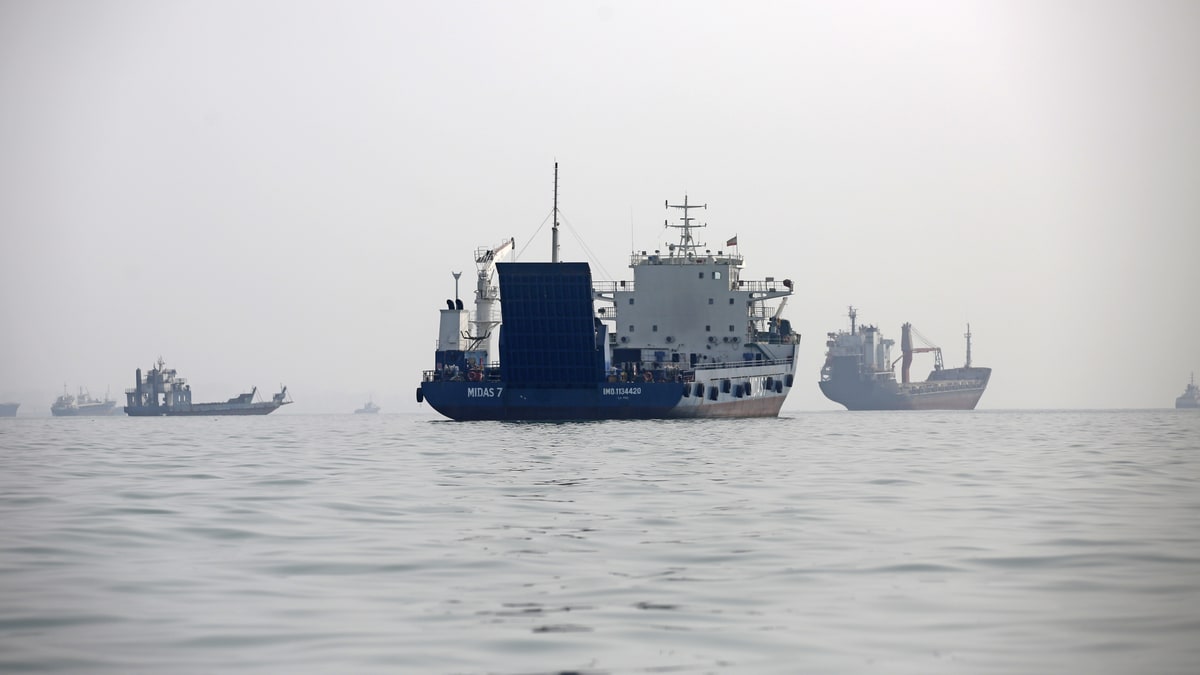
Iran’s Revolutionary Guards (IRGC) said on Wednesday, 4 November, that four oil tankers were destroyed after hitting naval mines while trying to use a “prohibited passage” south of the Strait of Hormuz, and that the ships were “still burning.” The claim has not been independently confirmed: the IRGC has not named the tankers or their flags, and no shipping company has yet come forward.
The statement, carried by Iran’s official news agency IRNA, also said two other vessels had been stopped for breaking Iran’s shipping rules, and that the Guards shot down a US-made MQ-9 drone over the strait at 4:30 a.m. local time, which they called their 56th.
What we know, and what we don’t
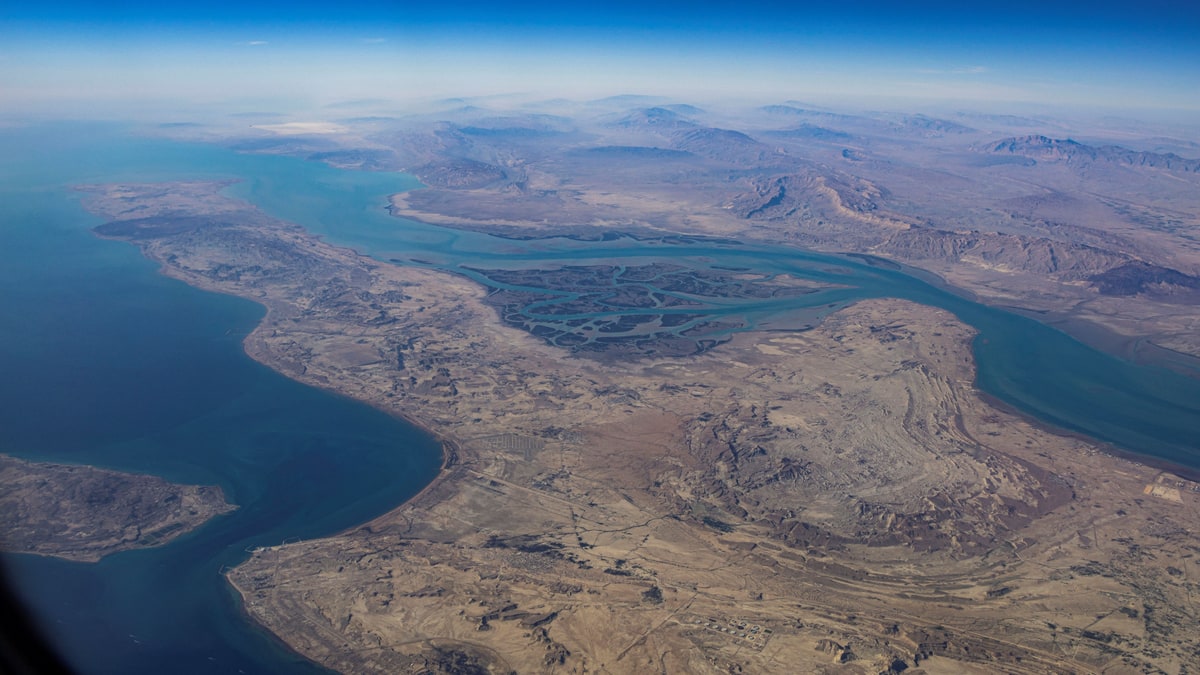
Iran says it controls the strait and has told ships to use only lanes close to its own northern coast. The US military’s Central Command has said the main shipping routes have been cleared of mines and has accused Iran of firing projectiles at ships. The IRGC rejects that.
Separately, the UK Maritime Trade Operations centre, which tracks attacks on shipping, said on Tuesday that two unidentified projectiles hit a tanker’s engine room about 14 nautical miles north-east of Limah in Oman. No one was hurt. It is not clear whether that tanker is one of the four the IRGC is talking about.
This is the second time in a week the IRGC has announced four burning tankers. On 30 October it made a similar claim, which the US also disputed.
Strikes and talks at the same time
The news comes a day after US President Donald Trump confirmed American strikes on Iran, which Iranian media said hit Qeshm Island at the mouth of the strait. Trump called it a “minor attack” that “wasn’t war.” US officials said the strikes were defensive, after Iranian fire at an American aircraft.
Talks have not stopped. Iran has offered to reopen the strait over two days if Washington meets seven conditions, including lifting sanctions and ending the US naval blockade of Iranian ports. Mohsen Rezaei, secretary of Iran’s Supreme National Security Council, said on X that the US reply was not good enough. Qatar’s foreign ministry said it is passing proposals between the two sides in real time. Iran’s chief negotiator, parliament speaker Mohammad Bagher Ghalibaf, said Iran was “ready for battle with its finger on the trigger,” while President Masoud Pezeshkian said the government wants dialogue.
Why it matters in Pakistan
Most of Pakistan’s crude oil, diesel and liquefied natural gas comes from Gulf suppliers through this one channel. Last weekend the Pakistan-bound LNG tanker Al Mayeda was attacked near the strait, as we reported on 1 November.
Oil markets took Wednesday’s claim calmly. Brent crude was trading at about $103.9 a barrel at 2 p.m. Pakistan time, up a little over a quarter of a percent on the day. Petrol in Pakistan was cut by Rs5.45 a litre to Rs369.06 only today, and the government sets new fuel prices again within days, so what happens in Hormuz this week feeds straight into what Pakistanis pay at the pump.
The next thing to watch is whether any shipping company or flag state confirms losing a tanker, and whether the US answers Iran’s seven demands.