Iran attacks Kuwait and Bahrain after US strike on Qeshm Island
Iran hit back at a US air base in Kuwait and at Bahrain, warned Bahrain's rulers, and a UAE tanker crew member is missing. What changed in 24 hours.
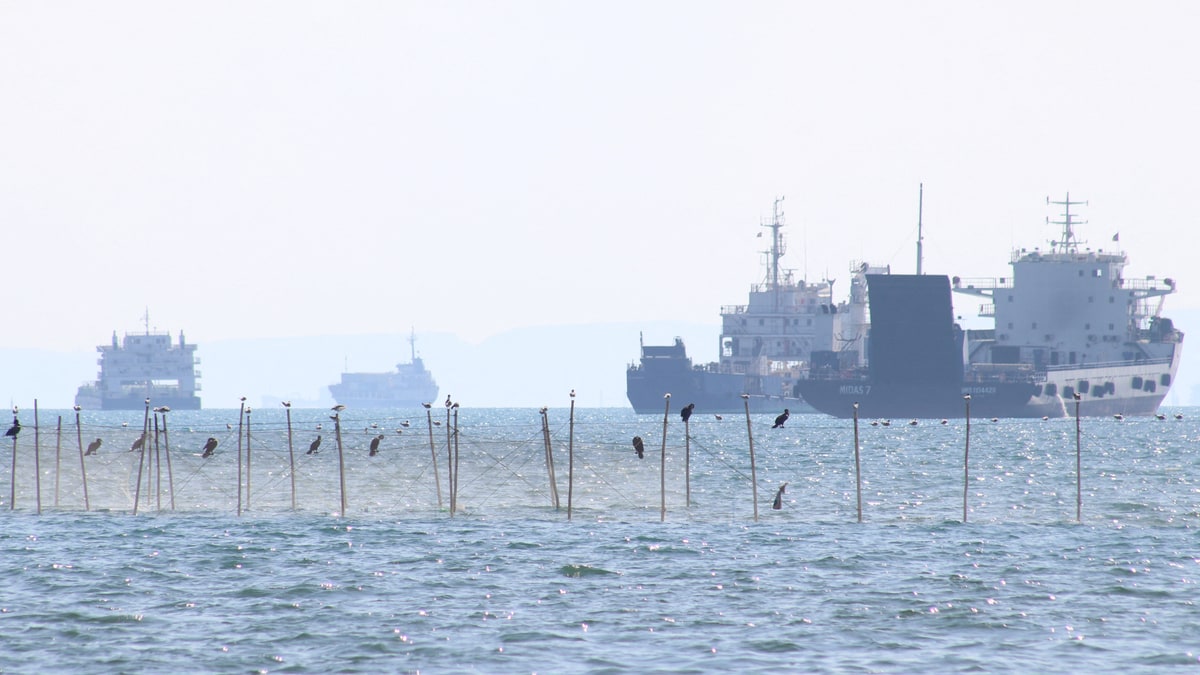
Iran fired drones at a US air base in Kuwait and launched several attacks on Bahrain early on Wednesday, 18 November, hours after a US fighter jet struck a Revolutionary Guard missile launch site on Qeshm Island in the Strait of Hormuz, the Associated Press reported. It is the widest round of Iranian attacks on its Gulf neighbours in about two months, and it follows our report on Sunday’s drone attack on Bahrain.
By Wednesday evening, Iran’s Revolutionary Guards had also warned Bahrain’s royal family that its survival was in doubt, and Washington had tightened its sea blockade of Iran.
What did the US strike on Qeshm?
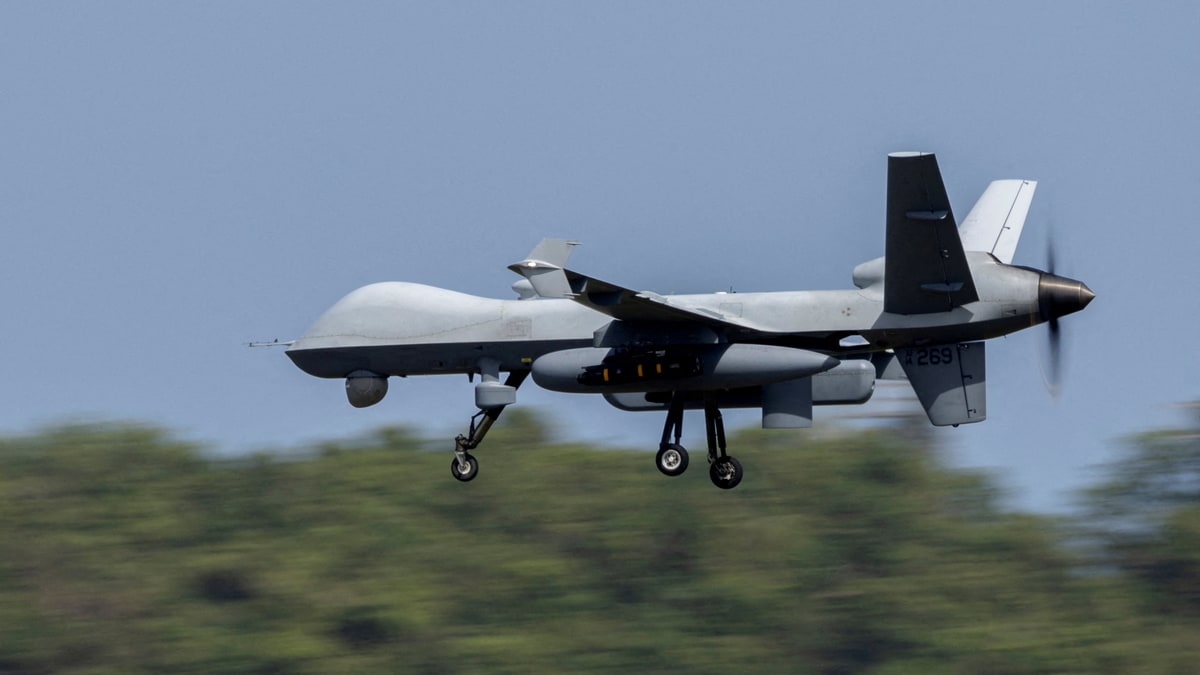
On Tuesday, Iran targeted a US radar installation at the Sheikh Isa base in Bahrain, its third attack on US sites there in less than a week. In reply, US fighter aircraft “used precision munitions to strike” a Revolutionary Guards missile launch site on Qeshm, a US official told Fox News, calling it self-defence. No damage figures have been published.
Qeshm is Iran’s big island at the mouth of the Gulf. It is not the first US strike there: on 2 November, US officials described strikes on the island as defensive, CNN reported.
What happened in Kuwait and Bahrain?
Iran’s state broadcaster said the military fired at air defence systems and drone and missile launch platforms at Ali Al Salem air base in Kuwait. Kuwait’s army said its air defences intercepted drone attacks and reported no damage. Kuwait’s Foreign Ministry called the attacks “criminal”. AP’s own count shows Ali Al Salem has been hit at least 30 times during this war.
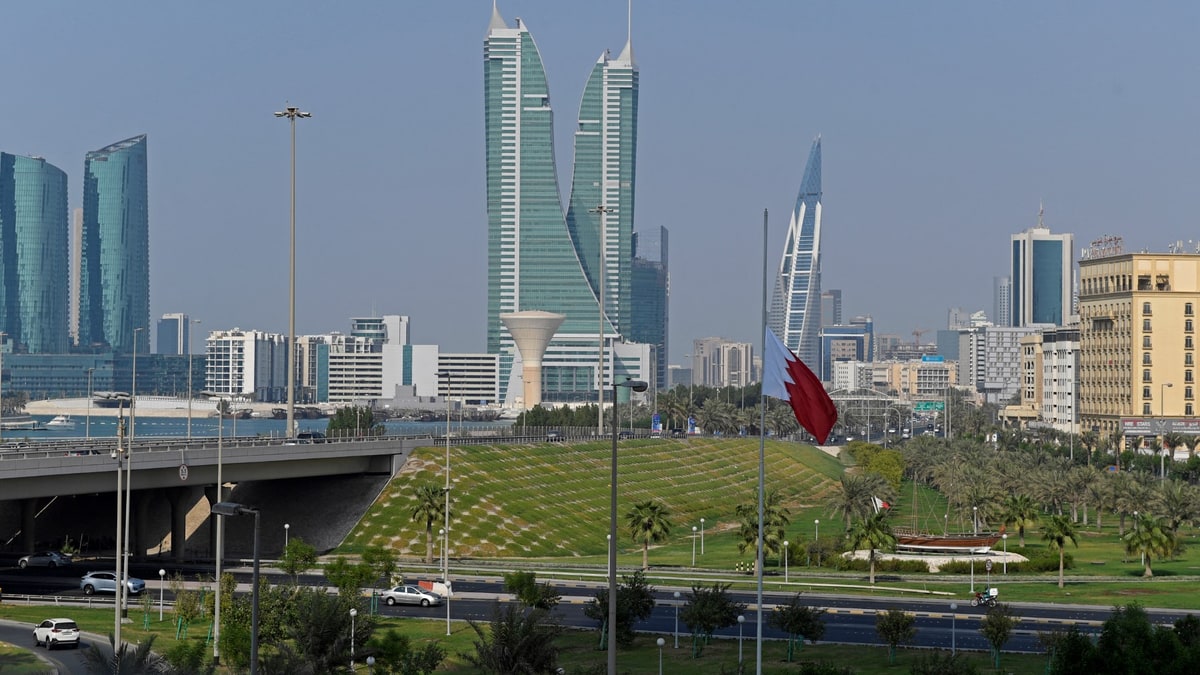
In Bahrain, which hosts the US Navy’s Fifth Fleet, the Interior Ministry twice told people to take shelter before giving the all-clear. Bahrain’s military said it intercepted a number of Iranian attacks but gave no damage details. In Washington, acting Navy Secretary Hung Cao told senators he could not give a full damage report on the Navy’s Bahrain headquarters because “it’s a nonpermissive area for us to go”.
Why is Iran threatening Bahrain’s monarchy?
IRGC Brigadier General Hossein Mohebbi wrote on X that the ruling Al Khalifa family had made three mistakes: joining “the aggression against Islamic Iran”, living “inside the American security bubble” and moving against Shia religious leaders. If it carries on, he wrote, “its survival under the new regional security order will be in doubt”, Fox News reported.
The warning came after a Bahraini court on Monday jailed dozens of Shia clerics for life on terrorism charges. Prosecutors said some had been in contact with Iranian authorities, including the IRGC.
A UAE tanker hit, one sailor missing
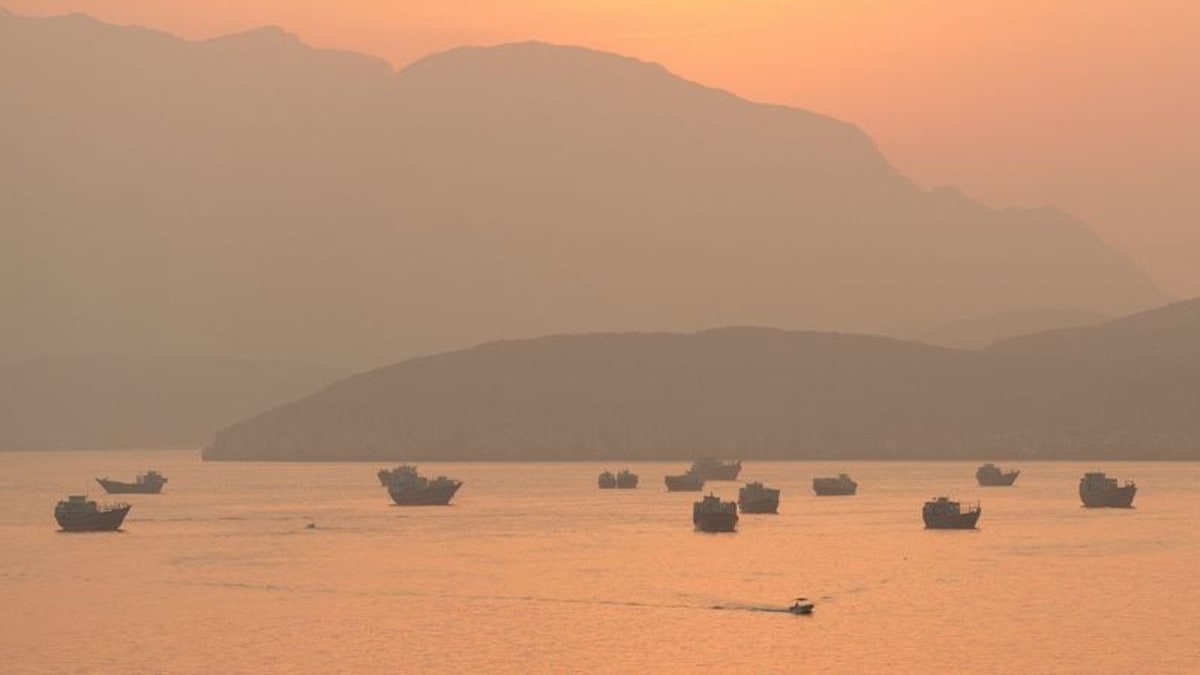
ADNOC Logistics and Services said one of its ships was attacked while crossing the Strait of Hormuz on Tuesday evening. One crew member is missing and 11 were injured; the rest were evacuated and a search is under way, the company said. The same day the Panama-flagged gas tanker Tara Gas was set ablaze in the strait, The National reported; India’s Foreign Ministry said one of its crew is unaccounted for.
What is the new blockade rule?
US Central Command issued an advisory on Wednesday saying any ship that takes cargo at sea from a vessel loaded in Iran will be treated as running the blockade, even if it never entered an Iranian port, Reuters reported. Such ships “may be stopped, boarded, diverted, captured”. The blockade began on 13 April, was lifted in June and has been back since 14 July.
President Trump has said new strikes are highly unlikely, AP noted, while sending a third aircraft carrier and thousands more troops to the region. Hamidreza Azizi of the International Crisis Group told AP that Iran is pursuing “deliberate, calibrated escalation” to raise the cost of the blockade.
Why it matters in Pakistan
Kuwait and Bahrain are home to large Pakistani communities, and every shelter alert there reaches families here. The Gulf is also where most of our remittances come from: in October, Saudi Arabia sent about $982 million and the UAE about $816 million, according to State Bank figures. Each tanker hit near Hormuz pushes up shipping and insurance costs for the oil and LNG that Pakistan imports through the strait.
The next thing to watch is whether the US answers Wednesday’s attacks with another strike, and whether Bahrain responds to Tehran’s warning.