Iran attack on Bahrain: IRGC drones target US radar at Riffa base
Iran's Revolutionary Guards say six drones hit a US radar at Bahrain's Riffa base; the US says two were shot down. Gulf states and Egypt condemned it.
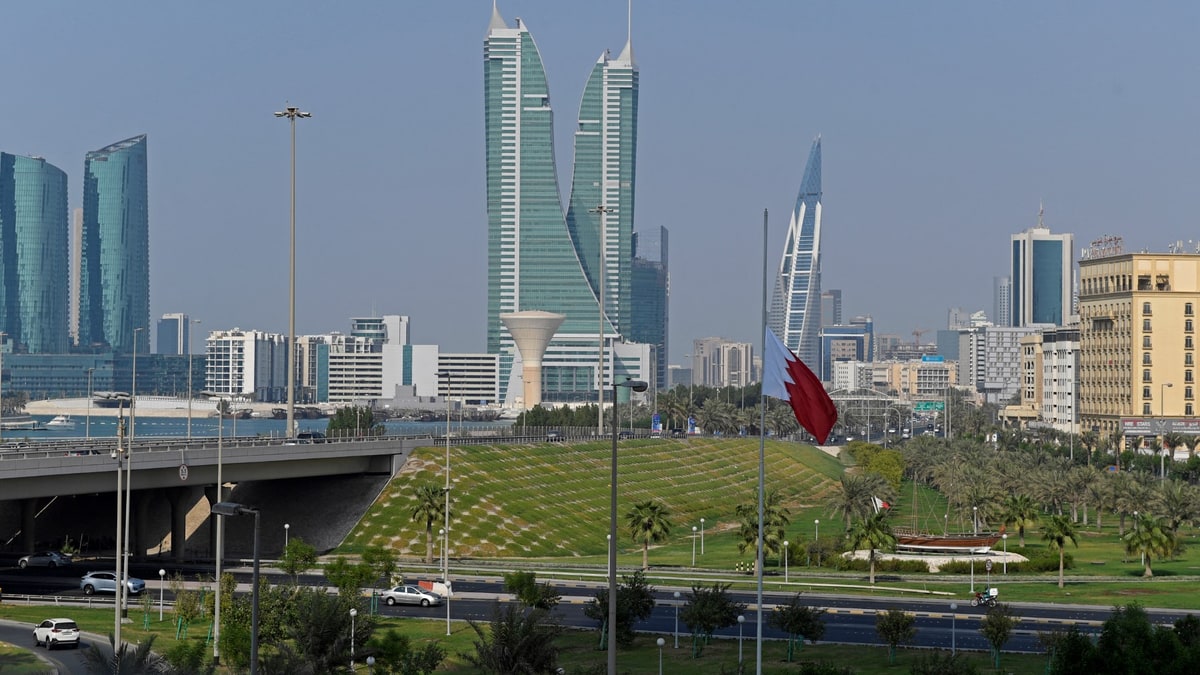
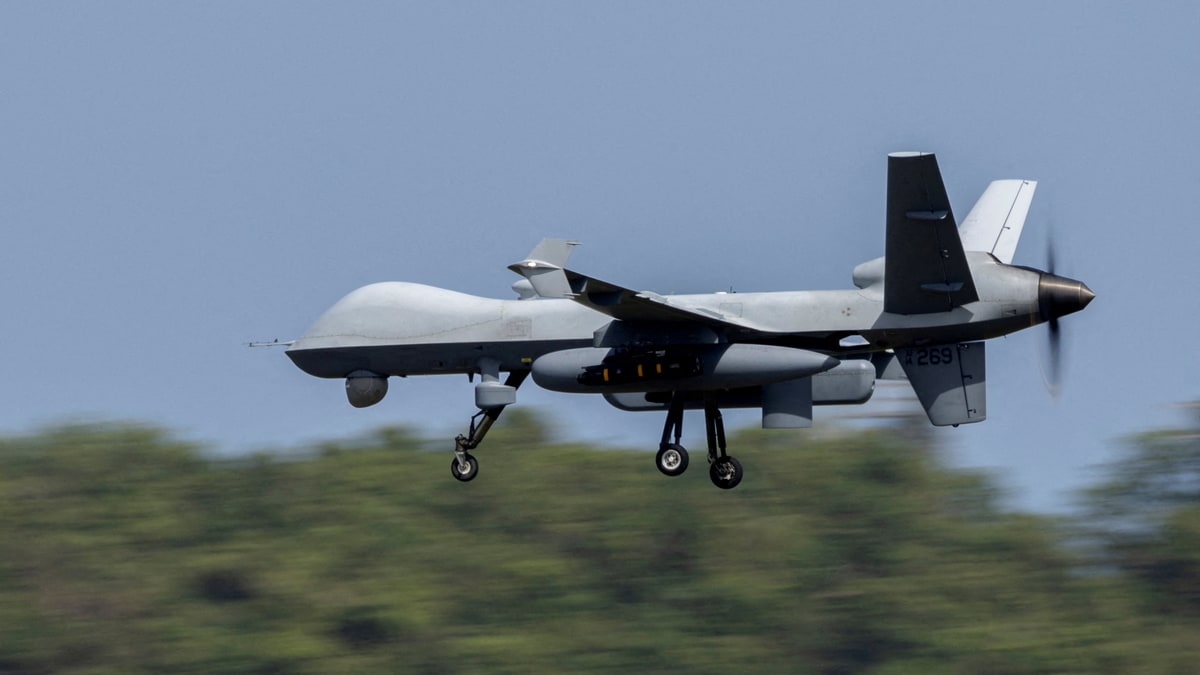
Sirens and blasts woke Bahrain early on Sunday, 15 November, after Iran’s Revolutionary Guards (IRGC) said they had sent drones at a US radar system at the Al-Riffa helicopter base. Bahraini authorities told residents to take shelter while the air defences worked.
The two sides tell very different stories. The IRGC said six drones were used. The US military’s Central Command (CENTCOM) said it shot down two Iranian drones and that there were no casualties and no damage. Bahrain’s military said it intercepted several attacks. Nobody outside the IRGC has confirmed that anything was hit.
Why is Iran attacking Bahrain?
Bahrain hosts the US Navy’s Fifth Fleet, so it has been in the line of fire since the US-Iran war began on 28 February. According to reports carried by Arab News and Yahoo News, this was the second attempt in three days: on Friday the IRGC claimed it had struck a US early-warning radar in Bahrain, and the US military denied it, saying both drones launched that day were shot down.
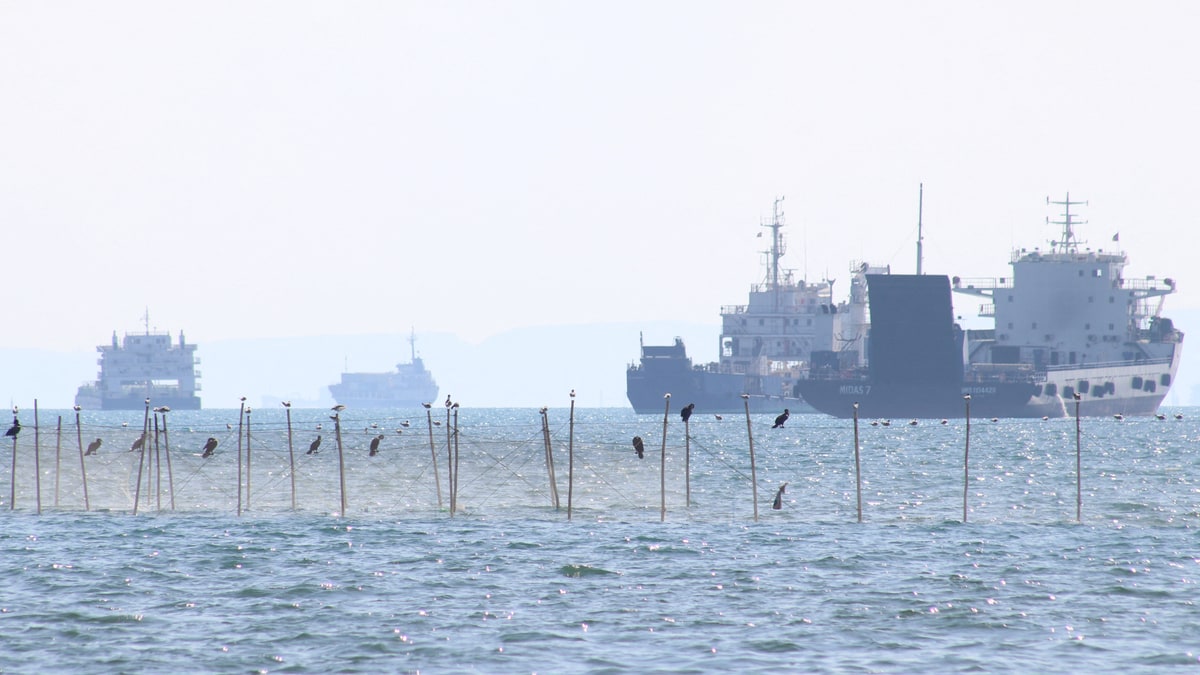
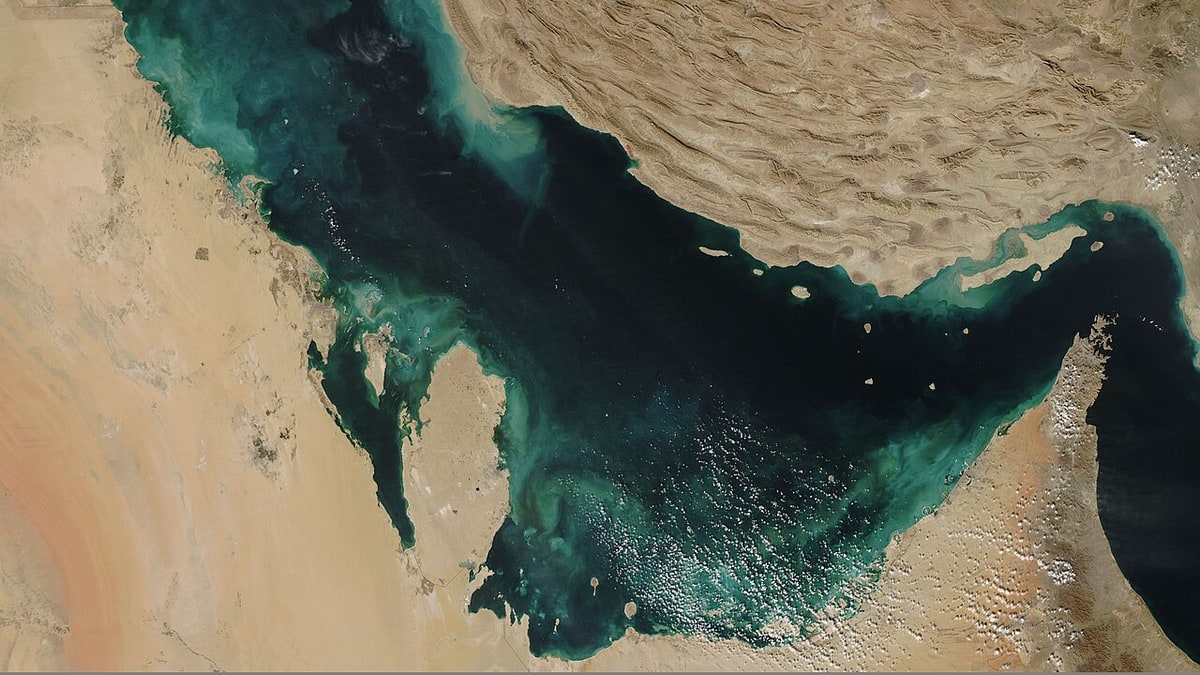
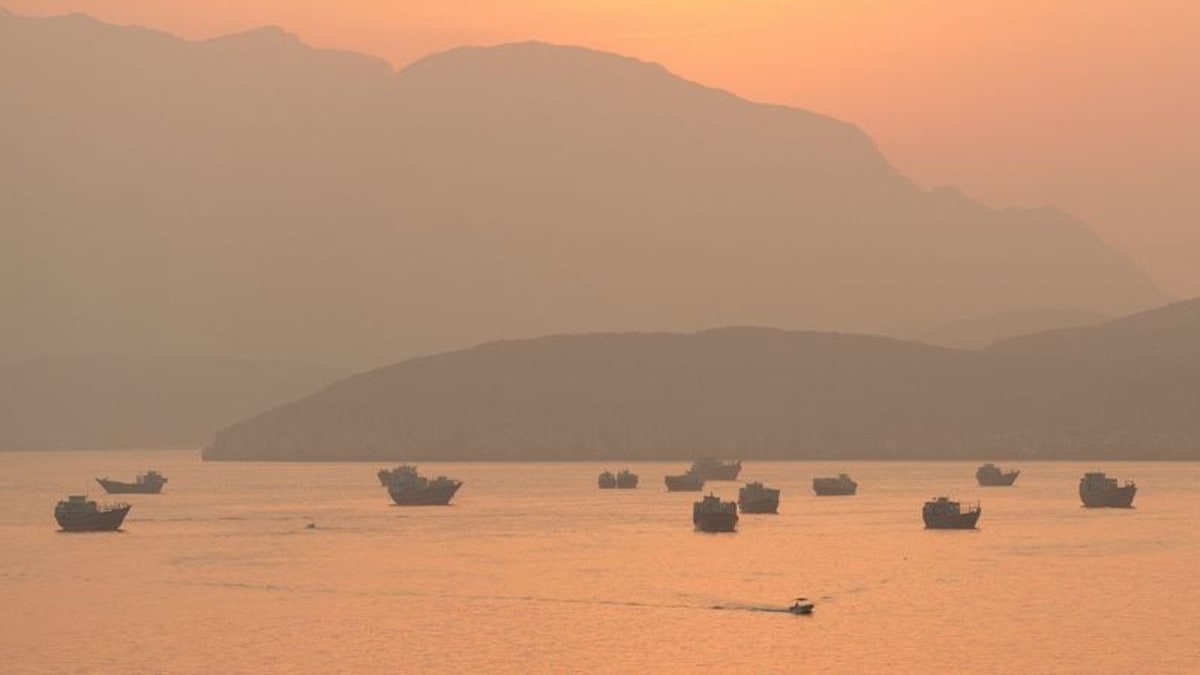
Iran framed Sunday’s strike as retaliation. The IRGC said it was answering an attack on a telecommunications tower in Sirik, on Iran’s southern coast, according to regional reports. The attack also comes days after three tankers caught fire in the Strait of Hormuz, where Iran has restricted shipping for months.
Who condemned it?
Bahrain’s Foreign Ministry said it holds Iran fully responsible. Kuwait, the UAE, Saudi Arabia and Qatar issued statements calling the attacks a breach of Bahrain’s sovereignty and of international law, the Arab Times reported, and warned they could push tensions higher. Egypt called it a “flagrant violation” of Bahrain’s sovereignty, and Jordan also condemned it.
Why it matters in Pakistan
Tens of thousands of Pakistanis live and work in Bahrain, and the wider Gulf is where most of Pakistan’s remittances come from. Every new strike in the Gulf also pushes oil and shipping costs up, which ends up in petrol prices at home. Islamabad has kept calling for dialogue between Washington and Tehran.
What to watch next: whether CENTCOM answers with strikes of its own, and whether Bahrain changes its shelter advice for residents, including Pakistani workers, over the coming nights.