Iran war latest: US drones downed, tankers hit near Oman, Bahrain fire
Iran says it shot down two US drones, two tankers were hit off Oman and an Iranian strike set a Bahrain plant on fire. What it means for Pakistan.
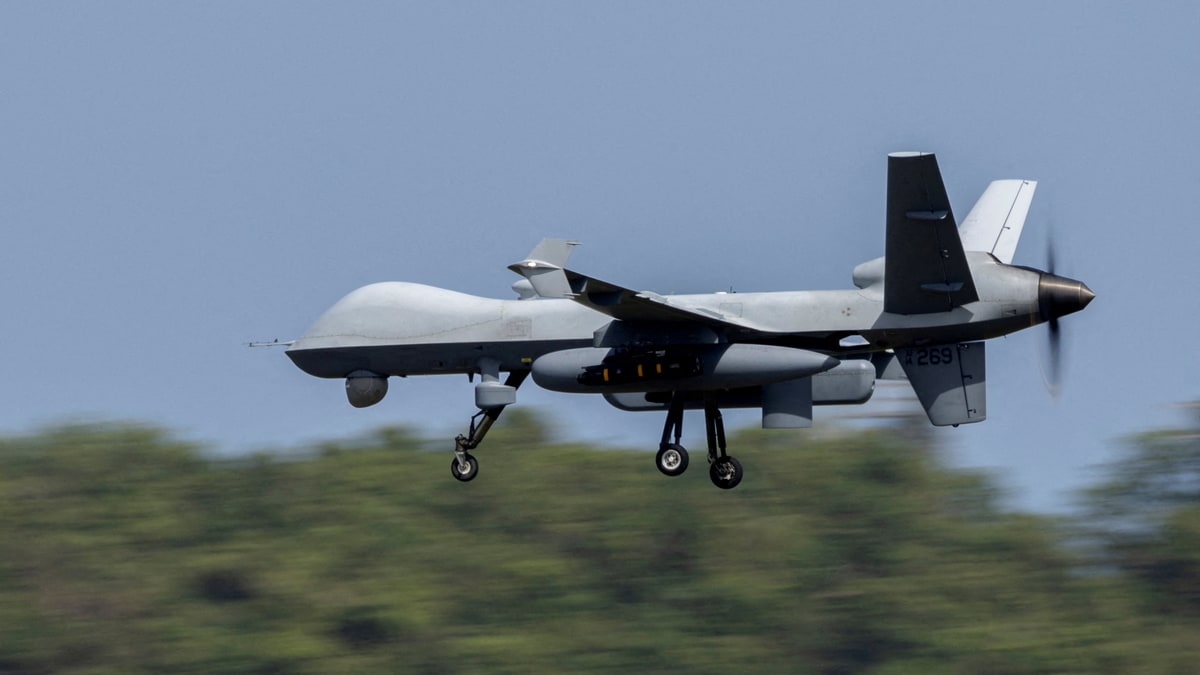
Saturday, 21 November, was one of the busiest days of the US-Iran war in weeks. Iran said it shot down two American drones over the Strait of Hormuz, two tankers were hit by projectiles off Oman, and late at night Bahrain said an Iranian attack set a civilian industrial site on fire.
All of this came as efforts to turn June’s US-Iran memorandum into a real peace deal remain stuck.
Did Iran shoot down US drones?
Iran’s Revolutionary Guards (IRGC) said a new air-defence system brought down an MQ-9 Reaper over the Strait of Hormuz, according to state broadcaster IRIB. It called it the 58th MQ-9 downed since the war began on 28 February. Later the same day the IRGC claimed a smaller MQ-1 was shot down over Qeshm Island, its 19th of that type.
There was no immediate comment from the US military, Al Jazeera reported. Iran also claimed a missile had damaged a US F-16 over the Gulf, but the US denied that account, according to Reuters.
What happened to the tankers near Oman?
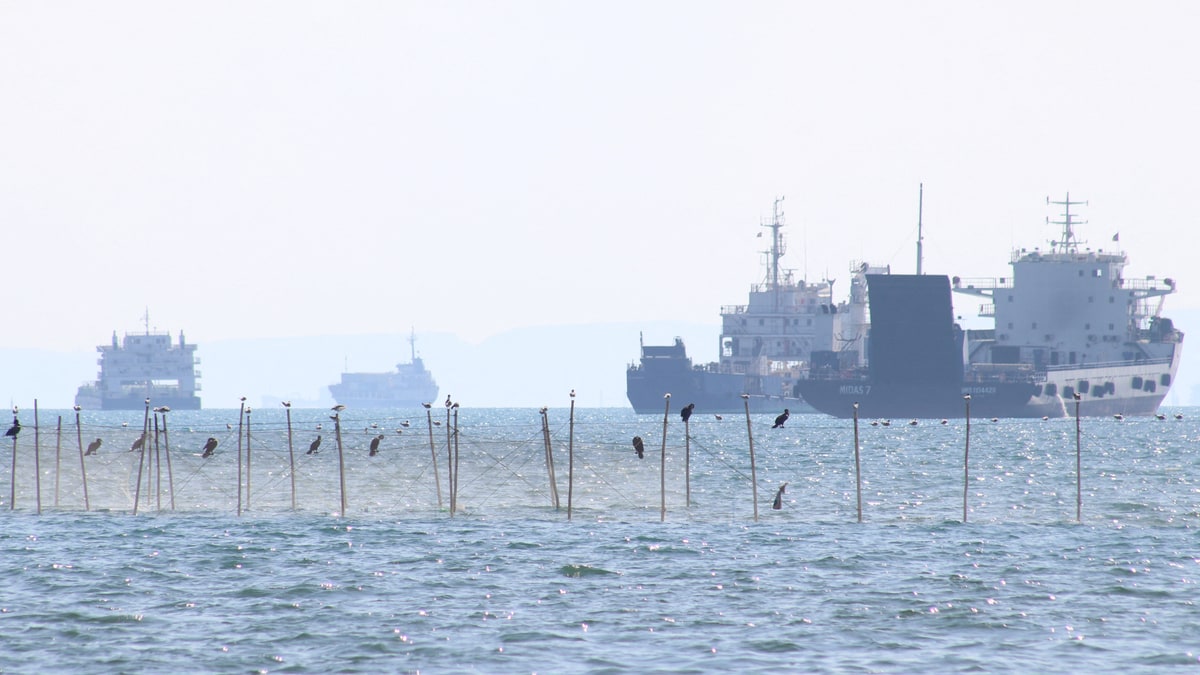
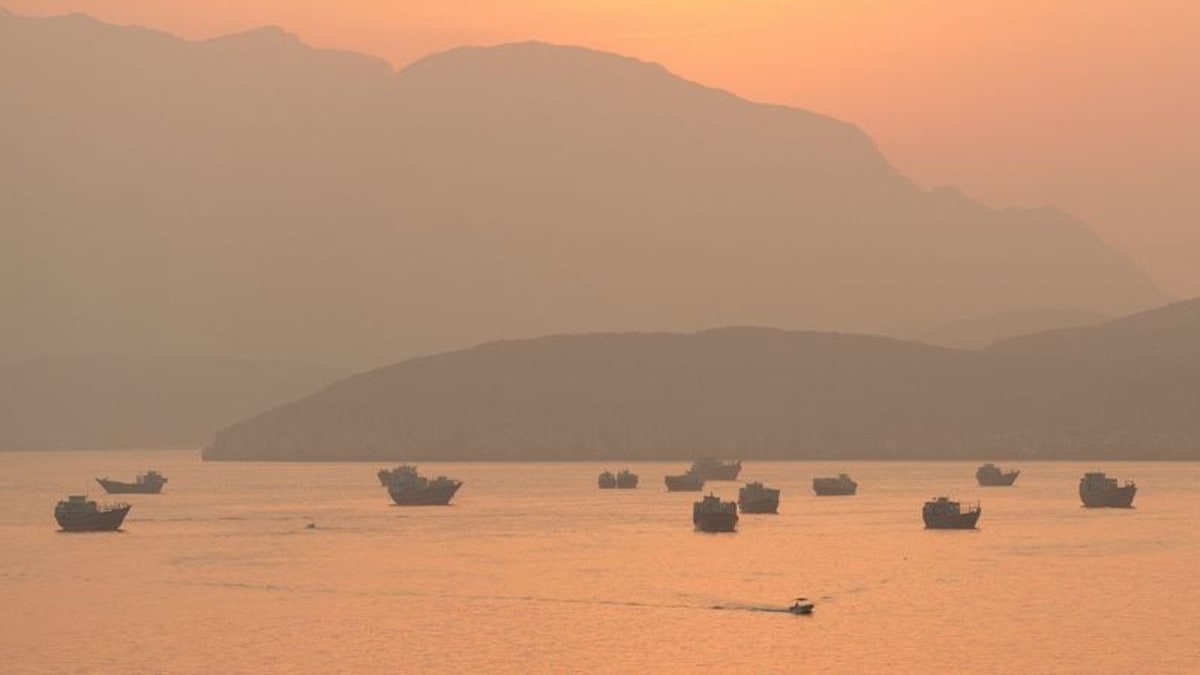
Britain’s maritime security agency, UKMTO, reported two strikes on outbound tankers near Khasab, on Oman’s Musandam Peninsula. One ship was hit on the stern about 11 nautical miles north of Khasab; about 50 minutes later, a tanker was hit in the engine room 17 nautical miles east of the town. No crew were hurt, and UKMTO said it was not clear whether both reports involved the same vessel.
Separately, Iran’s navy said a tanker caught fire after hitting a naval mine in a restricted area east of the strait. Reuters, as cited by CNBC, could not verify that claim.
What was hit in Bahrain?
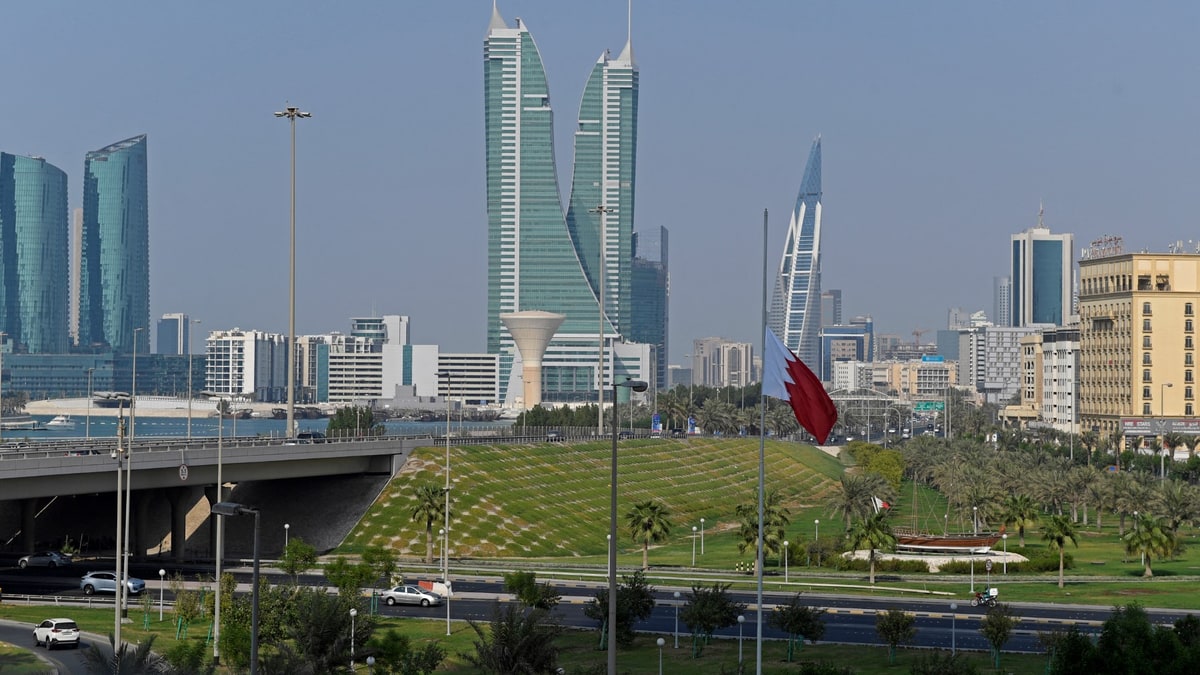
Bahrain’s Defence Force said air defences intercepted several Iranian aerial attacks late on Saturday. The Interior Ministry said a civilian industrial facility caught fire, calling it part of “Iranian aggression”. There were no injuries, and it did not name the site.
The IRGC told a different story: it said it fired missiles and drones at US positions at the Riffa and Awali bases and destroyed two Patriot radars, in response to a US strike on a radar on Iran’s Hengam Island. Iranian state agency IRNA claimed a US interceptor missile crashed on Sitra Island and caused the fire. Bahrain has asked the UN Security Council to force Iran to respect its March resolution condemning attacks on Gulf states.
Is a peace deal any closer?
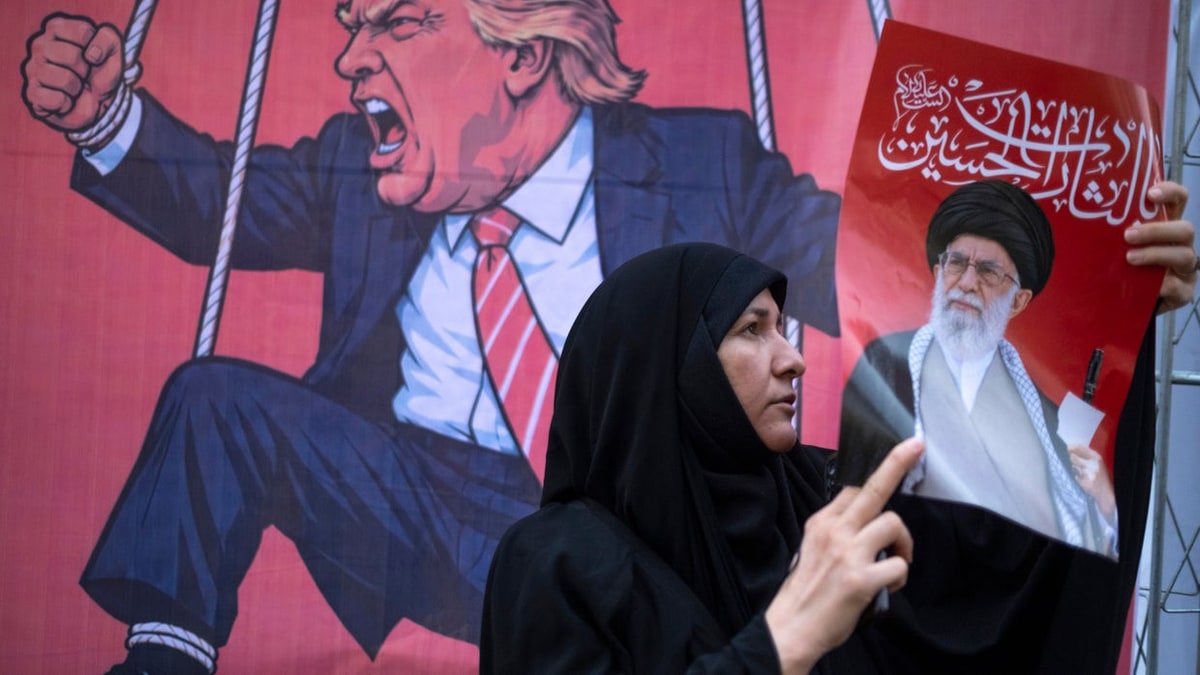
Not yet. Iran’s foreign minister Abbas Araghchi said seven conditions, including an end to the war, sanctions relief and lifting the US naval blockade, “must be implemented for the Strait of Hormuz to reopen”. He ruled out sending Iran’s 60% enriched uranium abroad. President Trump said Washington wants “a real deal, not a fake deal”, while the US Treasury sanctioned four Iranians it called “oil trustees”.
Why does this matter to Pakistan?
Before the war, close to a fifth of the world’s crude oil passed through Hormuz, and most of Pakistan’s petrol, diesel and LNG comes through it. Every new tanker strike raises shipping and insurance costs, which sooner or later show up in Pakistan’s fuel prices. Pakistan also helped broker the June memorandum, so a collapse in talks hurts its diplomacy too.
Millions of Pakistanis work in Gulf countries, including Bahrain, where attacks have returned after a lull: Al Jazeera counted three drone attacks on Bahrain in recent days before Saturday’s strike. The next test is whether the ship attacks near Khasab continue this week.