Pakistan-bound LNG tanker Al Mayeda attacked near Hormuz: what it means for gas supply
A Qatari LNG carrier heading to Pakistan was hit near the Strait of Hormuz and turned back. What happened, who is safe, and why winter gas could cost more.
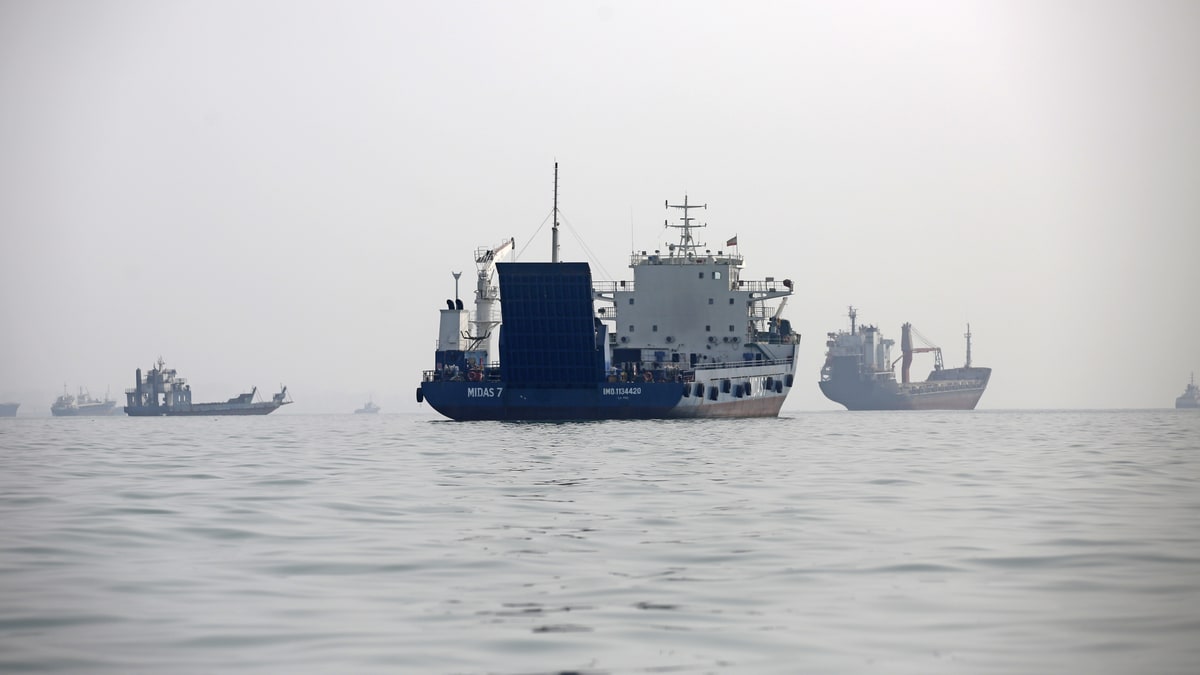
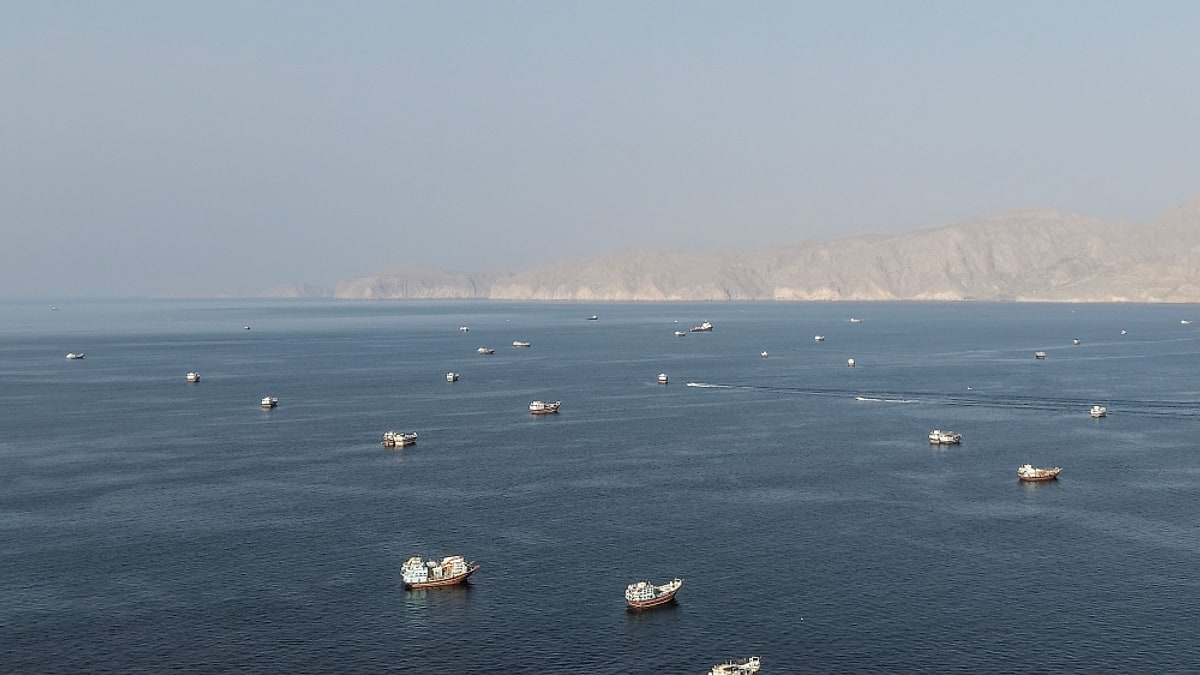
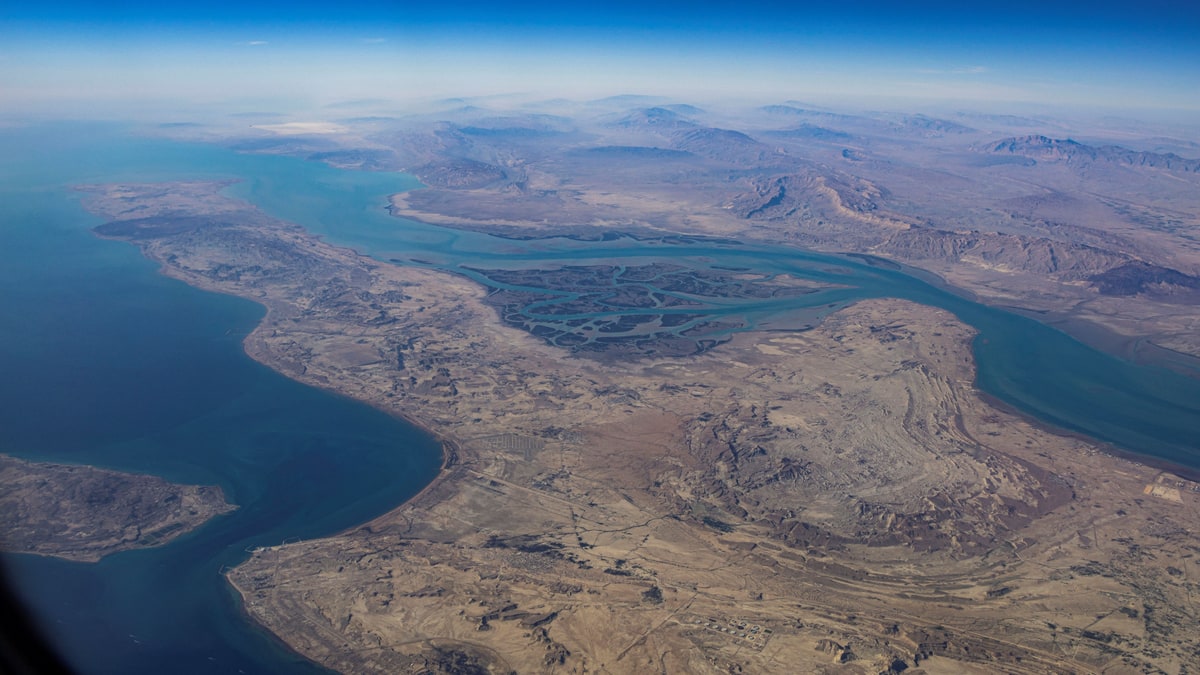
A Qatari tanker carrying liquefied natural gas (LNG) to Pakistan was struck by “unidentified objects” near the Strait of Hormuz on Friday evening and turned back into the Gulf, its owner said on Sunday, 1 November. Nobody on board was hurt, but it is not yet clear whether the cargo will ever reach Pakistan, just as winter gas demand starts to climb.
The ship is the Al Mayeda, a Marshall Islands-flagged LNG carrier owned by Qatar Gas Transport Company, known as Nakilat.
What happened to the ship
In a statement filed with the Qatar Stock Exchange, the company said the vessel was hit while sailing in the Gulf. It called the ship’s condition “safe” and “operational” and said no crew were injured and there was no environmental damage. The damage is still being assessed. Ship-tracking data showed the tanker reversing course after the strike.
India’s Shipping Minister Sarbananda Sonowal said it was a projectile attack and that all 25 crew members, six of them Indian, were safe.
Nobody has said who fired at the ship, and the weapon has not been identified.
Iran had cleared it, according to media reports
The part that has drawn most attention is the timing. According to media reports, Pakistan had negotiated safe passage for this cargo with Iranian officials, as it did for several Qatari shipments in recent weeks, and Iran gave the go-ahead only hours before the ship was hit. Neither Islamabad nor Tehran has commented on this publicly.
Qatar’s Foreign Ministry condemned the strike on X as “a dangerous act that threatens the safety of maritime navigation and the security of global energy supplies”. It said investigations were under way and that Qatar “reserves its right to take all necessary measures”.
Why it matters in Pakistan
Pakistan relies on Qatari LNG for a large share of the gas that runs power plants, fertiliser factories and, in winter, home heaters and stoves. Since the US-Iran war shut most traffic through Hormuz, every cargo has had to be talked through.
Pakistan received three Qatari cargoes in October, but LNG shipments through the strait were running at only about 30% of their pre-war level that month. If the Al Mayeda’s gas does not arrive, Pakistan would have to buy a replacement cargo on the spot market, where prices are more than three times pre-war levels. Dearer LNG usually means higher RLNG prices and longer gas cuts for homes and industry.
Shipping in the Gulf has rarely been riskier. More than 120 commercial ships have been hit since the war began, according to the International Maritime Organization and the UK’s maritime security agency, and October was the worst month yet with at least 29.
What to watch
Whether the Al Mayeda tries the strait again, whether the Petroleum Division arranges a replacement cargo, and any change in Sui gas load-shedding schedules as temperatures fall this month.