COP31 ends without a deal as fossil fuel fight sinks Antalya climate talks
COP31 in Antalya closed on Sunday with no agreed text after a fight over fossil fuels. Who blocked what, what Guterres said and what it means for Pakistan.
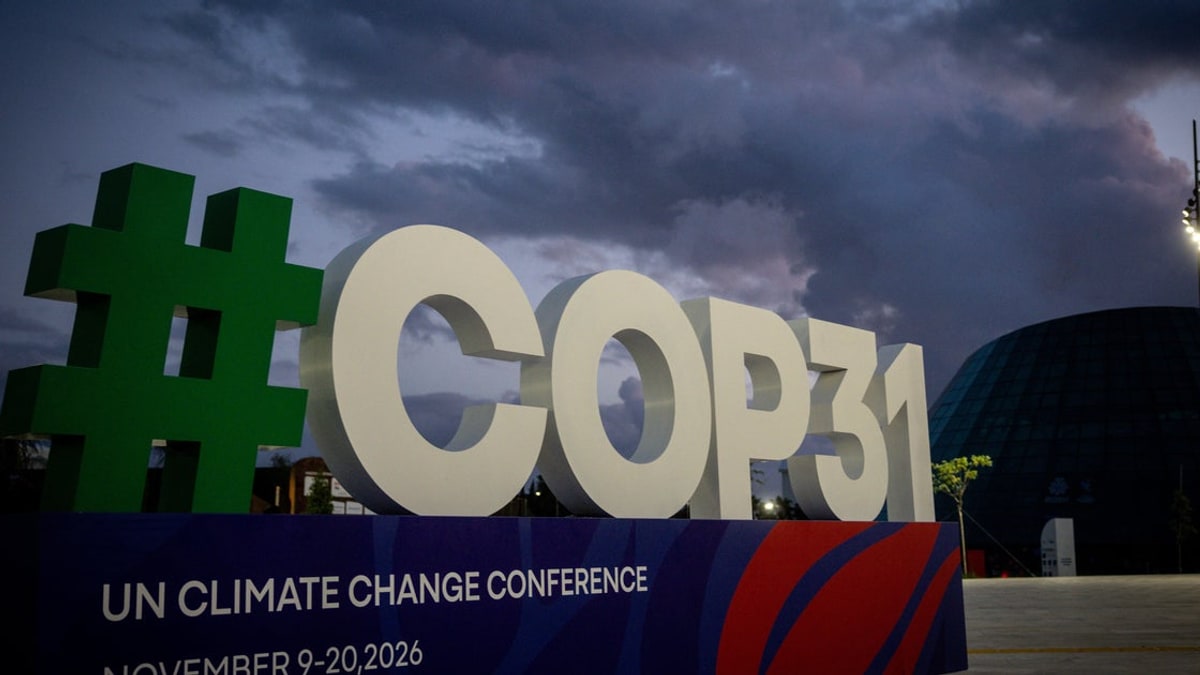
The UN climate summit COP31 in Antalya, Turkey, ended on Sunday, 22 November, without a final agreement. Nearly 200 countries could not agree on whether the deal should mention moving away from fossil fuels, and because COP decisions need everyone’s consent, the main text was not adopted. Reports say it is the first time since 2009 that a COP has closed without one.
The talks ran over time and became the longest COP on record, CBS News reported.
Why did COP31 fail?
The first draft called for “accelerated action to phase out fossil fuels” and an end to wasteful fossil fuel subsidies. That wording was dropped in later drafts, which oil producers including Saudi Arabia had pushed for. The final draft talked about electrifying the world economy and capturing carbon, but did not name fossil fuels at all.
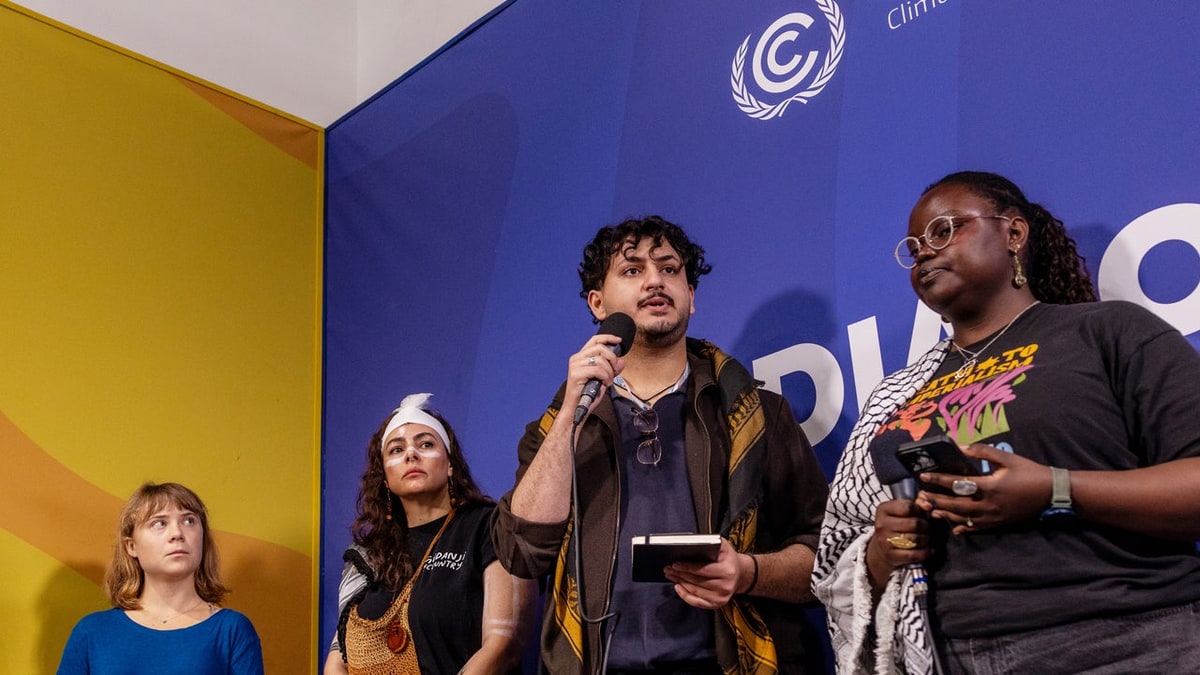
That was a red line for the other side. Nearly 40 countries objected, including the European Union, the UK, Panama and Pacific island states. Ireland’s climate minister Darragh O’Brien, speaking for the EU, said the bloc would not accept a COP that “greenwashes fossil fuel”. Panama’s Juan Carlos Navarro said his country would formally object to any deal that left fossil fuels out.
What the leaders said
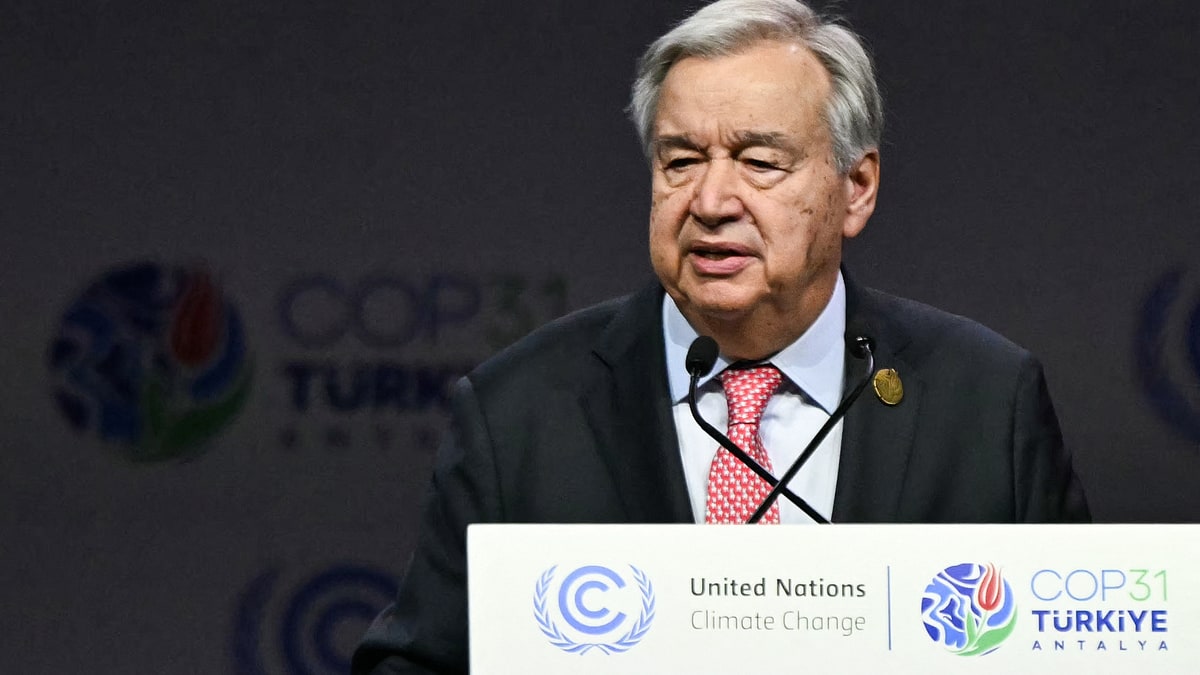
COP31 president Murat Kurum, Turkey’s environment minister, said the draft was not adopted because there was no consensus, and that nobody had been pressured. Australia’s Chris Bowen, who co-led the talks, blamed “unbridgeable red lines” and a hard geopolitical moment. UN Secretary-General António Guterres said he was “deeply disappointed”, called for adaptation money to be tripled by 2035 and said “polluters must pay”. The United States sent no delegation, for the second year running.
What it means for Pakistan
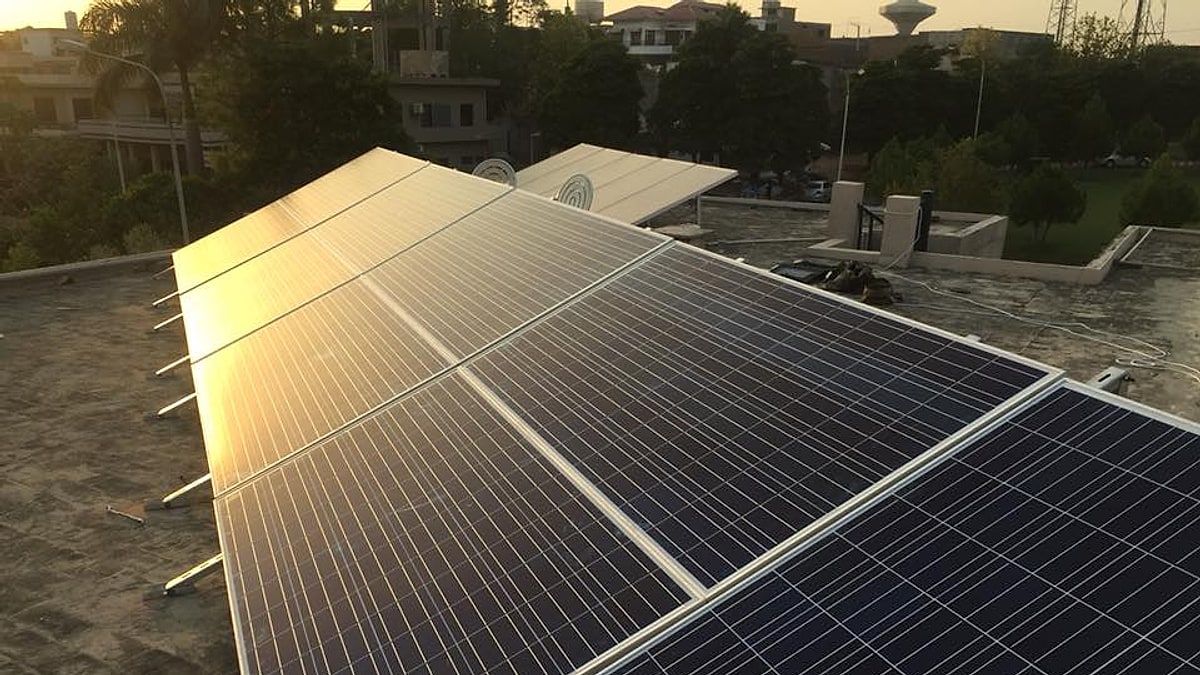
Pakistan produces under one percent of the world’s emissions but is among the countries hit hardest by floods, heatwaves and drought, and it came to Antalya asking for climate finance. With no agreed text, there is no new promise of money for adaptation this year.
The timing is hard. As the talks collapsed, the Pakistan Meteorological Department issued a drought alert for Sindh, Balochistan and southern Punjab after five months of below-normal rain, and Lahore was again the world’s most polluted city. Neither will be fixed by a summit, but adaptation money pays for things like flood defences, water storage and early warnings.
What happens next?
Unfinished work rolls over to the next round of UN talks in Bonn in mid-2027 and then COP32. Countries’ own climate plans, if all of them are carried out, still put the world on course for just over 2.5 degrees of warming, CBS News reported, far above the 1.5-degree goal of the Paris Agreement.