COP31 climate news today: Guterres warns, Pakistan asks for finance
At COP31 in Antalya, Guterres warned of "mutually assured destruction" and Shehbaz Sharif said Pakistan's solar push needs finance. The key numbers and asks.
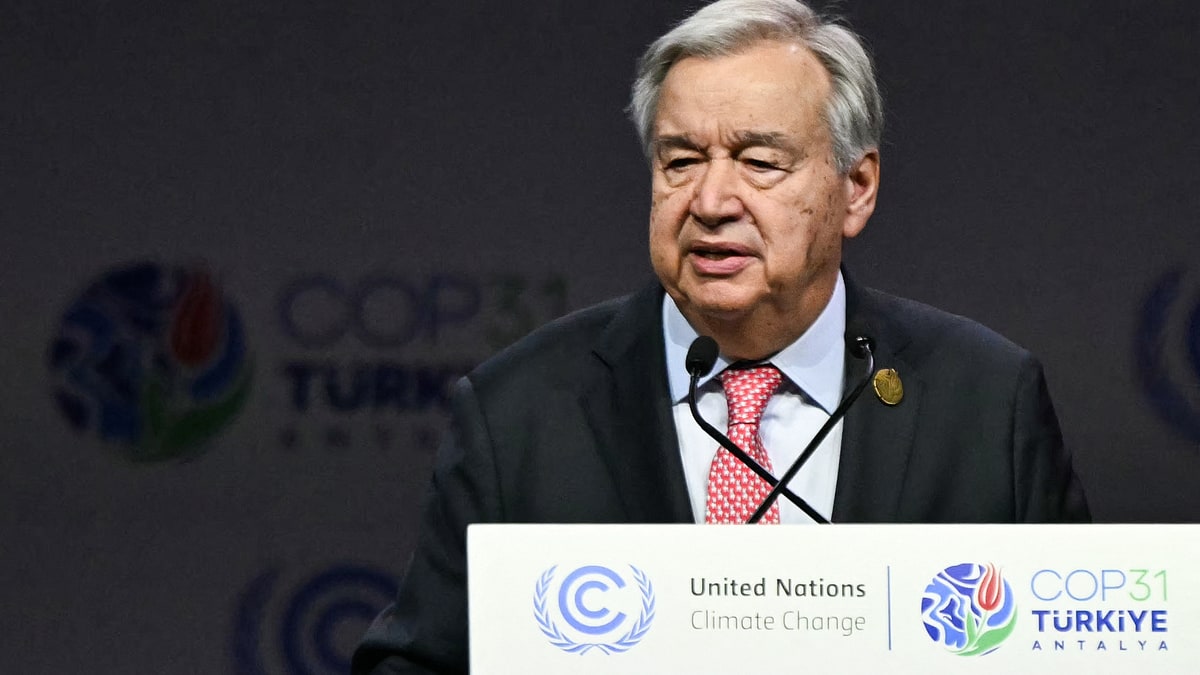
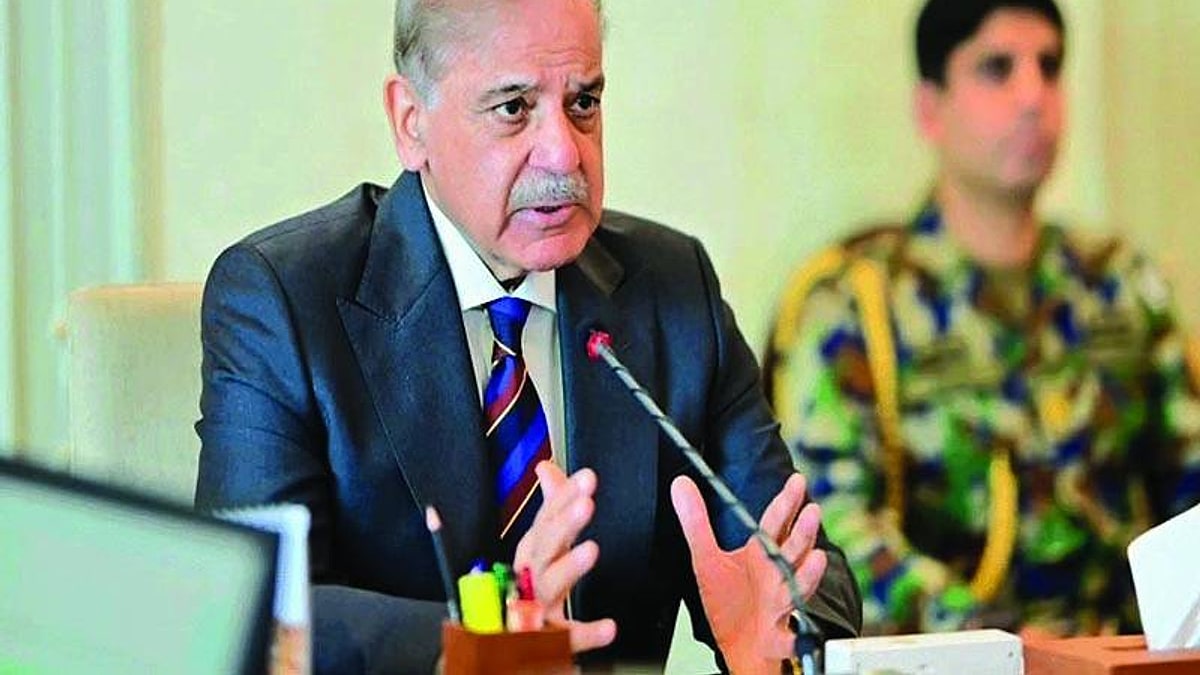
World leaders spent Wednesday, 11 November, at the COP31 Leaders’ Summit in Antalya, Türkiye, hearing that the response to climate change is far too slow. UN Secretary-General António Guterres told them the world is on “the path to mutually assured destruction”, while Prime Minister Shehbaz Sharif said Pakistan is moving to clean power fast but cannot keep going without money from richer countries.
The UN climate conference opened on Monday, 9 November, at the Antalya Expo Center and runs until 20 November. The leaders’ segment covers Wednesday and Thursday.
What did Guterres say at COP31?
On opening day Guterres told leaders to “get serious” and said the world has “entered a new age of climate extremes”, Khaleej Times reported. At the leaders’ summit he said global emissions hit a record high in 2025 and the past four years were the hottest ever measured, according to Xinhua and HNGN. “The brutal truth is that the climate crisis is outrunning us,” he said. On oil, gas and coal he was blunt: fossil fuels “must go the way of the dinosaurs”, but “the dinosaurs did not have a lobby, but fossil fuels do.”
Is climate action now being sold as good for the economy?
Yes, that is the tone in Antalya. UN climate chief Simon Stiell said renewable power has already saved the world economy “hundreds of billions of dollars” and called this year’s fossil fuel price chaos “a global shockwave”, Reuters reported. COP31 president Murat Kurum, Türkiye’s environment minister, tied the summit’s electrification plan to cheaper energy, cleaner transport and new jobs. Guterres added that solar power alone met nearly three quarters of the growth in world electricity demand last year, Xinhua reported.
What are countries negotiating?
- Money: developing countries pushed for finance on the agenda, and a “climate finance work programme” is expected to be included, Khaleej Times reported. Greenpeace’s Jasper Inventor accused rich countries of a “hard line” on finance.
- Fossil fuels: countries are still trying to turn the 2023 Dubai pledge to move away from fossil fuels into action, after COP30 in Brazil ended without naming them.
- Electrification: Türkiye wants electricity’s share of world energy use to rise from about a fifth today to 35% by 2035. Critics say the pledge does not require that power to be clean.
- Adaptation: Ethiopia’s Prime Minister Abiy Ahmed said poor countries “cannot be expected to borrow our way out of a crisis we did little to create”.
The backdrop is grim. The UN Environment Programme says the world is on course to overshoot 1.5°C of warming, Reuters reported, and the United States has sent no officials.
What did Pakistan say at COP31?
Shehbaz Sharif spoke at a high-level dialogue called “35 by 35: Powering the Future” and backed the electrification pledge. He said Pakistan added nearly 22 gigawatts of rooftop solar in two years, which he called “a quiet revolution by ordinary citizens”, and that clean sources now supply nearly 55% of the country’s energy mix, Dawn and Pakistan Today reported. More than one in ten motorcycles sold this year was electric, he said, and all future government buses and motorcycles will be electric.
His ask was money. Pakistan needs about $138 billion by 2035 for low-carbon power and another $50 billion to replace coal with solar, he said, adding that “momentum without finance cannot be sustained.” The Prime Minister’s Office said he would press for climate finance that is predictable, adequate and easy for developing countries to reach.
Pakistan’s case rests on the 2022 floods, which affected 33 million people and caused more than $30 billion in damage and losses, according to a joint assessment by the government and international partners, Arab News reported. The country’s pavilion in Antalya is hosting 54 events.
What happens next?
Negotiators then have until 20 November to settle the finance and fossil fuel texts.