Solar power in Pakistan: 22GW rooftop boom leaves the grid struggling
PM Shehbaz praised Pakistan's 22GW rooftop solar boom at COP31, but daytime grid demand has collapsed. Why those left on the grid pay more.
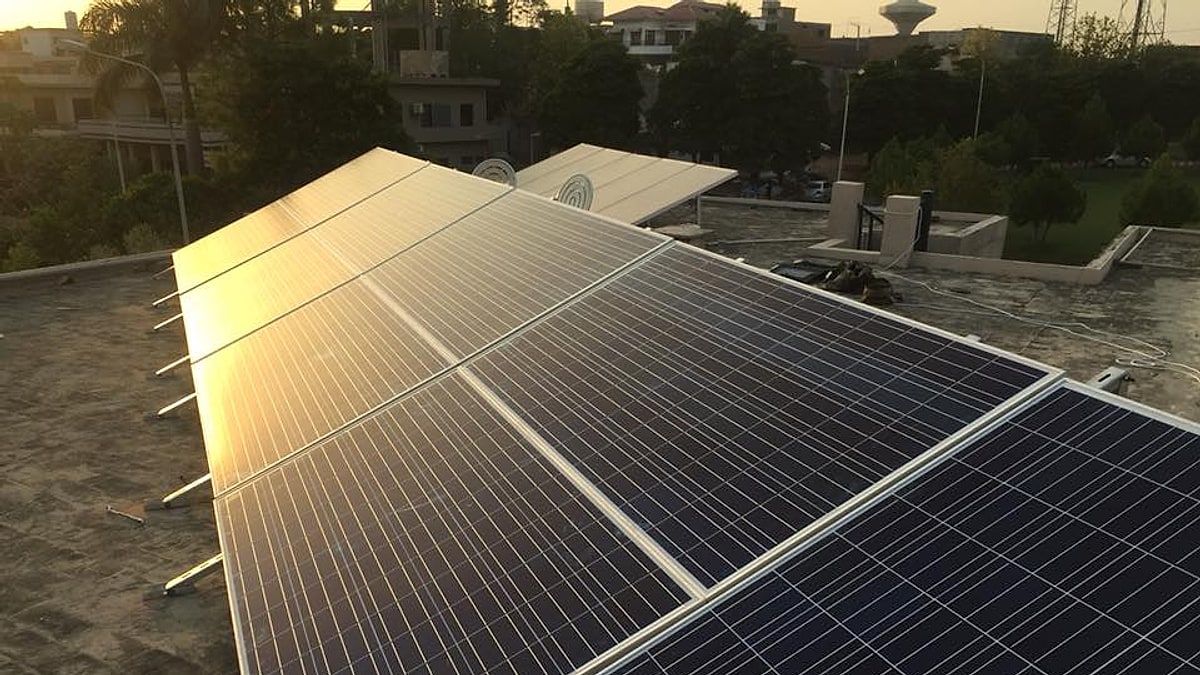
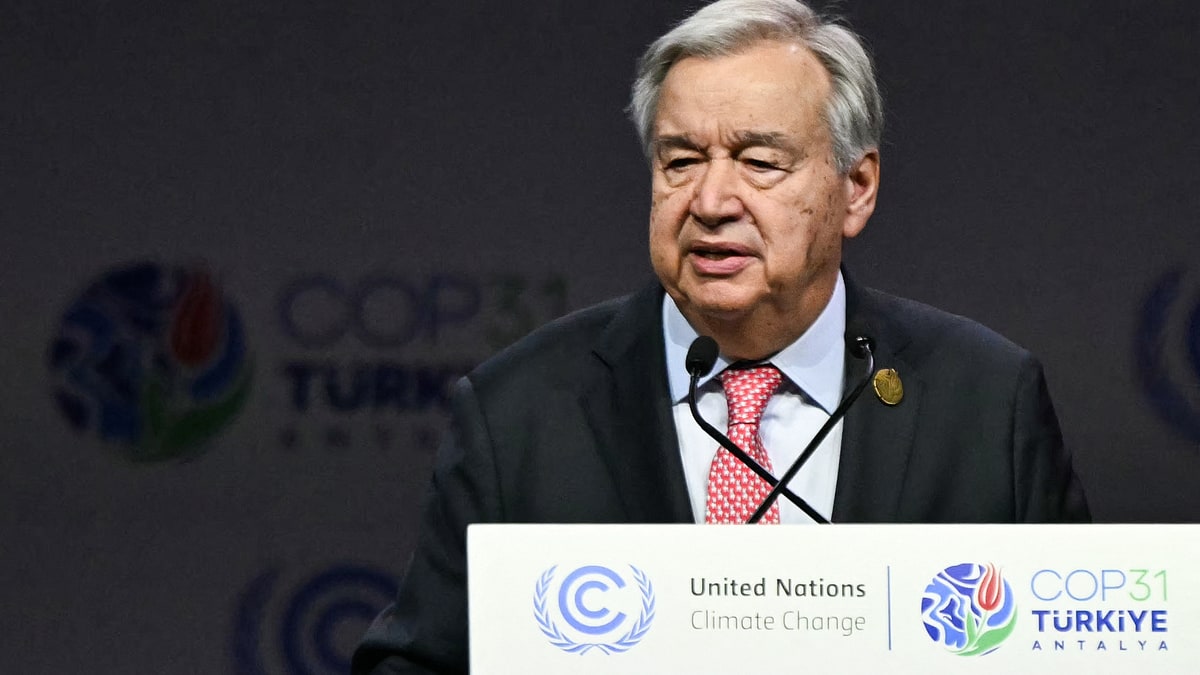
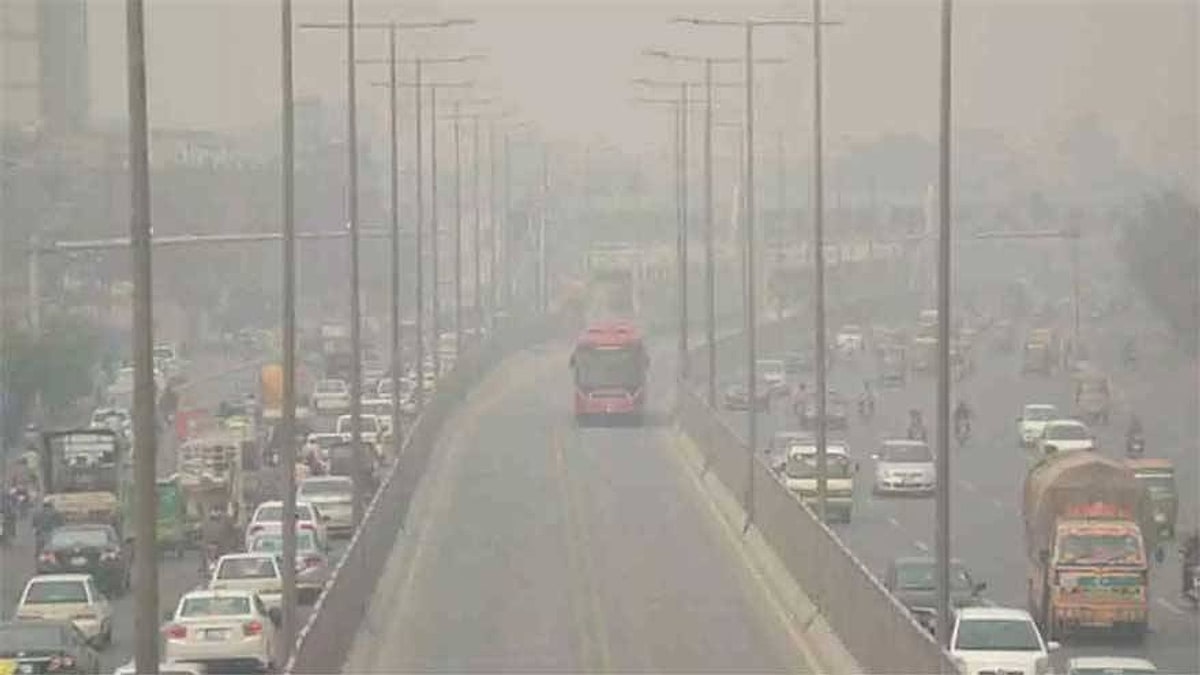
Pakistan’s rooftop solar boom has become a talking point at the COP31 climate summit, and a worry back home. Prime Minister Shehbaz Sharif told the summit in Antalya that ordinary citizens added nearly 22 gigawatts of solar in about two years, while a BBC report this week asked whether the country is at risk of fumbling that success because the national grid is losing the customers it needs to pay its bills.
Both things are true at once, and that is why “solar power” is among Pakistan’s top Google searches today.
What did Shehbaz Sharif say at COP31?
The prime minister called it a revolution led by ordinary citizens, according to Dawn’s report of his speech. He said clean sources now make up nearly 55% of Pakistan’s energy mix, and asked rich countries for grant-based climate finance rather than more loans for vulnerable countries like Pakistan.
Critics were quick to point out that the boom did not come from a government plan. Households, farms and factories bought cheap Chinese panels to escape bills that had climbed by roughly 140% over a few years, and in February this year the power regulator cut what new solar users earn for the electricity they sell back.
Why is the grid in trouble?
The numbers show how fast people have left. A Pakistan Solar Association report, cited by ProPakistani, said midday demand on LESCO’s Lahore network fell from 2.2 gigawatts in 2024 to about 765 megawatts in 2026. The Power Planning and Monitoring Company has estimated another 13,000 to 14,000 megawatts of solar running completely off-grid, which never shows up in net-metering figures.
The problem is the fixed bill. Pakistan pays power plants capacity payments whether or not their electricity is used; those payments rose 46% to about Rs1.9 trillion in 2023-24, according to NEPRA data reported by IEEFA. When fewer units are sold, each unit carries more of that fixed cost. NEPRA’s own State of Industry report says this raises the per-unit cost for consumers still on the grid. Analysts call it a “death spiral”: higher tariffs push even more people to solar.
What changed for solar users this year?
In February 2026 NEPRA replaced net metering with net billing for new consumers. Electricity they export is now credited at a lower rate than the price they pay for grid power, as Profit reported at the time. New net-metering connections fell 27.2% between July and August, according to Arif Habib Limited data. Existing users keep their old contracts until they expire.
Who pays the price?
Mostly people who cannot afford panels: tenants, poorer households and small shops that depend on grid power. A government report in March, cited by AFP, said the solar shift had put a “disproportionate financial burden” on grid consumers.
What happens next?
The government is trying to cut capacity payments by renegotiating contracts with private power producers, and is pushing industry to use more grid power with cheaper winter packages. Whether that is enough to steady tariffs is the question to watch in the next few electricity bills, and in whatever new rules NEPRA writes for batteries, which are now spreading as fast as the panels did.