Trump Iran strikes after New Year if no deal: what it means for Pakistan
Trump told Fox News he is inclined to resume strikes on Iran after New Year if talks fail. Where talks stand, the blockade threat and why Pakistan is watching.
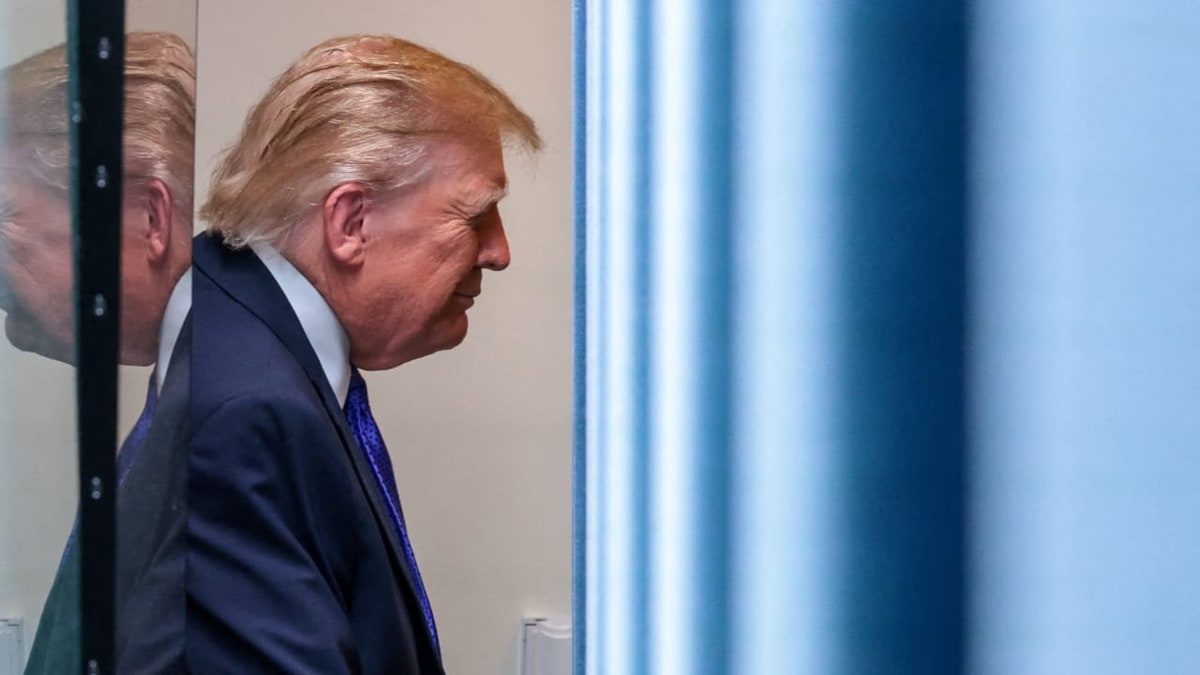
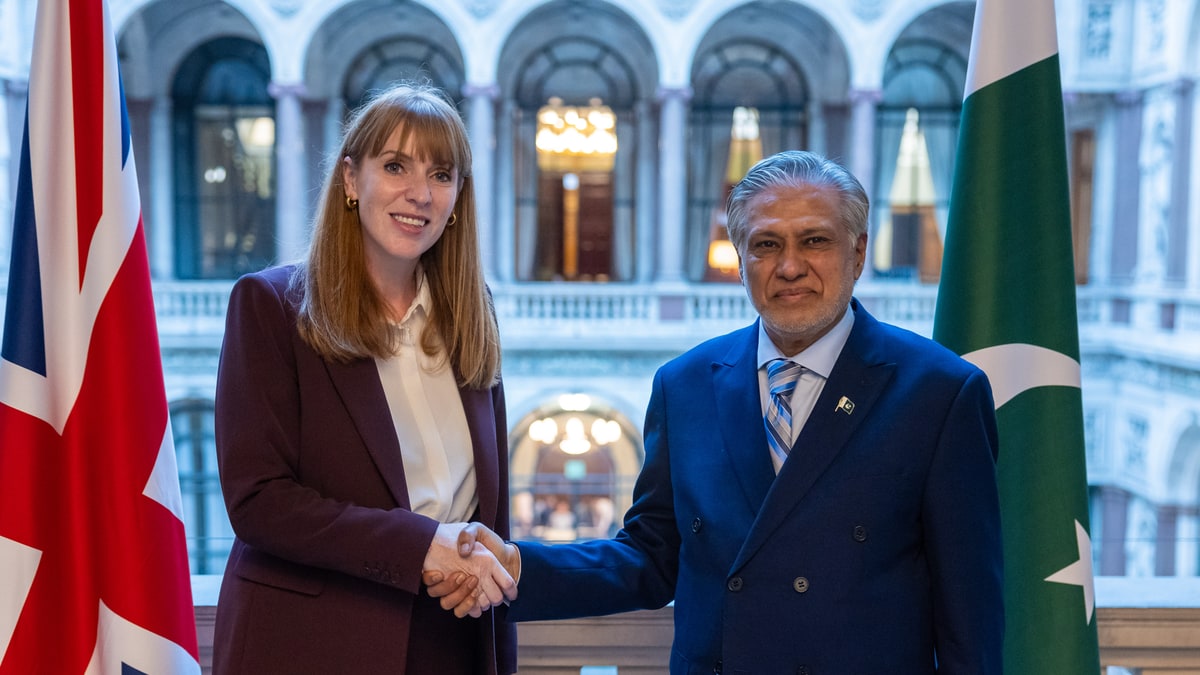
US President Donald Trump said on Sunday, 22 November, that he is inclined to resume military strikes on Iran after the New Year if negotiations do not produce a deal. It is the clearest deadline he has set since fighting paused, and it lands a day after Pakistan’s Foreign Minister Ishaq Dar said he expected an agreement soon.
Trump made the remarks in an interview with Fox News, as reported by Anadolu Agency and The Jerusalem Post. He said indirect talks with Tehran are still going on but complained about the pace, calling Iran’s negotiators “professional tap dancers”. “All they do is talk,” he said, using a cruder word for what he thinks of it. No final decision on new strikes has been announced.
What did Trump threaten?
- Strikes after New Year: a return to major attacks if there is no agreement by then.
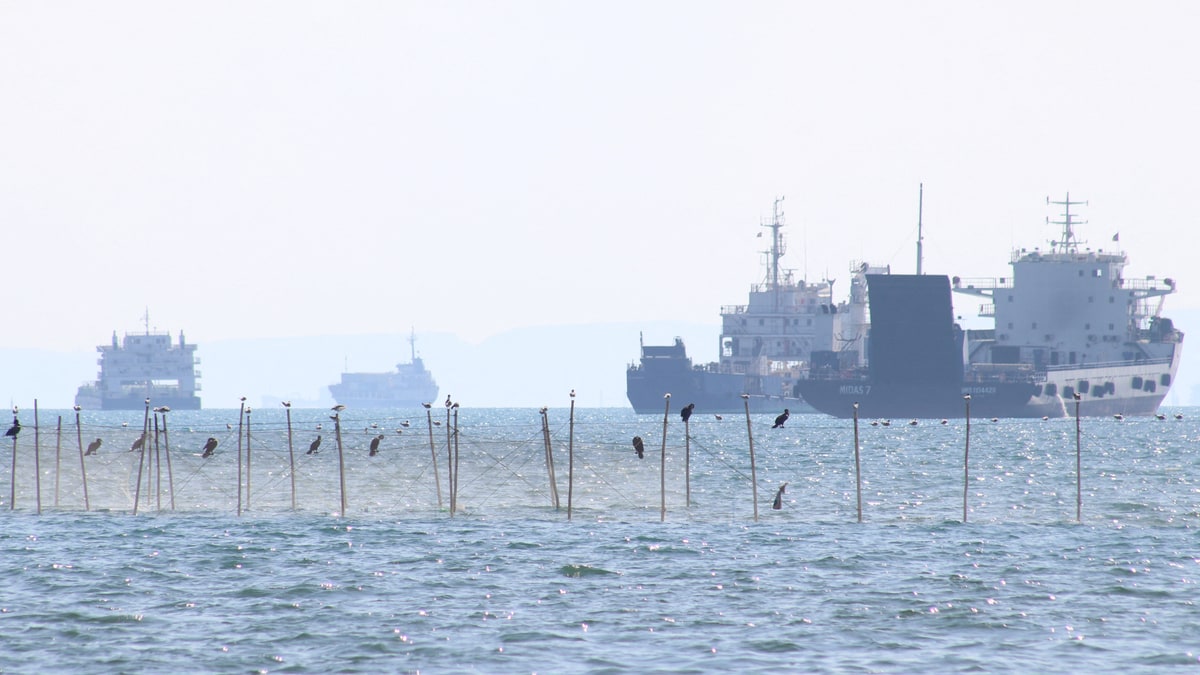
- The blockade: the US is keeping a naval blockade of Iran’s ports. Asked about Iranian state media saying Tehran could test it, Trump said ships that try would be sunk and end up “at the bottom of the sea like the rest of the navy”.
- Protests: he encouraged Iranians protesting against their government amid power cuts to keep going, according to Fox News.
Fox News also reported that two US carrier strike groups are in the Arabian Sea and US refuelling aircraft are in Israel. Iran has not given a formal response to the remarks so far. Its foreign ministry has said in recent days that the window for diplomacy is not closed and messages are still being passed to Washington.
How did we get here?
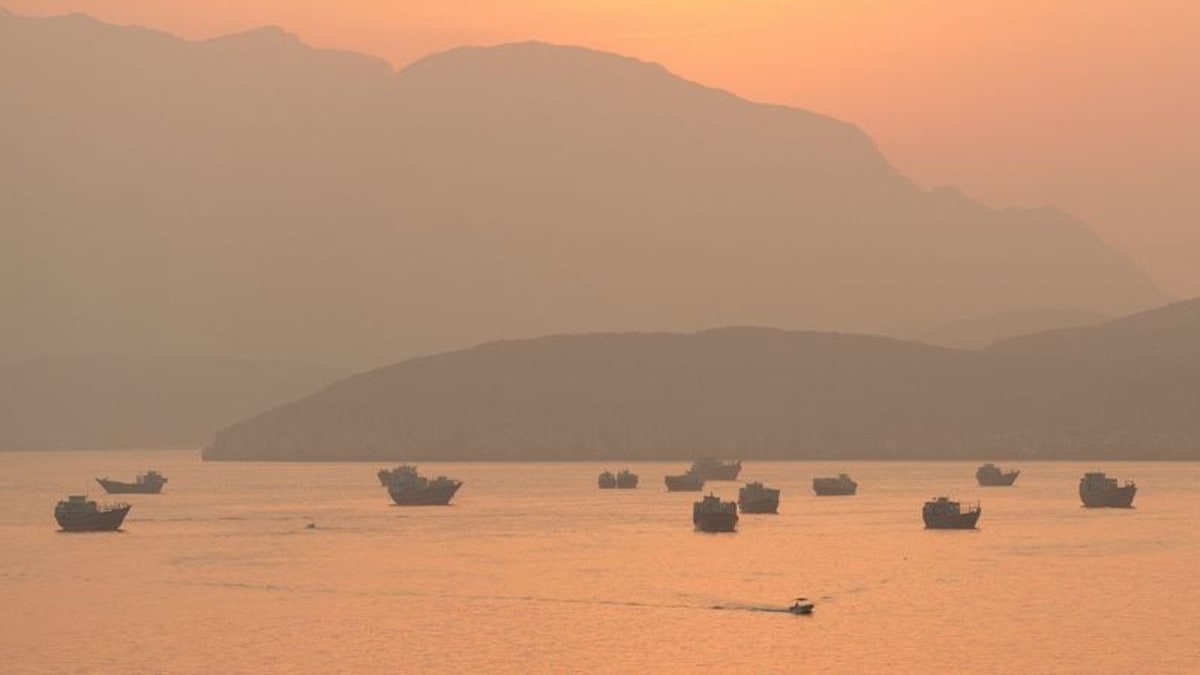
The US and Israel went to war with Iran in February. Iran hit back at Israel and at US bases around the Gulf, and shipping through the Strait of Hormuz became dangerous. In April, Islamabad hosted the first direct US-Iran talks in decades, and a framework to end the fighting was agreed in June. Talks then stalled over guarantees and safe passage through Hormuz, and clashes have flared on and off since July. This weekend Bahrain said an Iranian attack set fire to an industrial site, and tanker attacks near Oman continue.
Why it matters for Pakistan
Pakistan has been the main go-between. On Saturday, Ishaq Dar told Euronews he hoped a deal was close and said the world cannot afford a long war in the Middle East. A New Year deadline puts pressure on that mediation.
It also hits Pakistanis at home. Most of the country’s oil comes through Hormuz, so any new fighting can push up petrol and electricity costs and put pressure on the rupee. That is why Pakistan State Oil signed a supply deal with Oman, outside the strait, on the same day. Millions of Pakistanis also work in Gulf countries that have come under Iranian fire, and their remittances keep many families going.
What to watch next
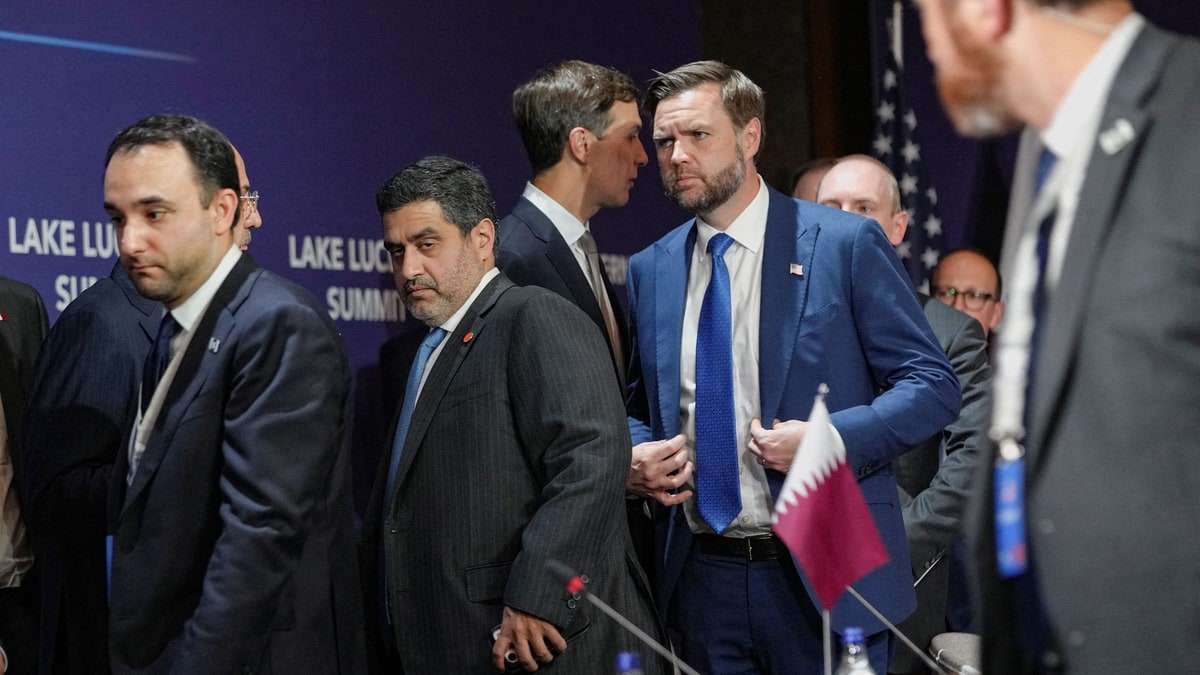
The next six weeks matter: whether the indirect talks produce a draft, whether Iran tests the blockade, and whether Pakistan or Qatar can arrange another direct round before 1 January.