Overthinking at 3 AM? Huberman says don't trust thoughts between 2 and 5 AM
Neuroscientist Andrew Huberman says the brain is poor at handling emotion and decisions between 2 and 5 AM. What he means, the science, and what to do instead.
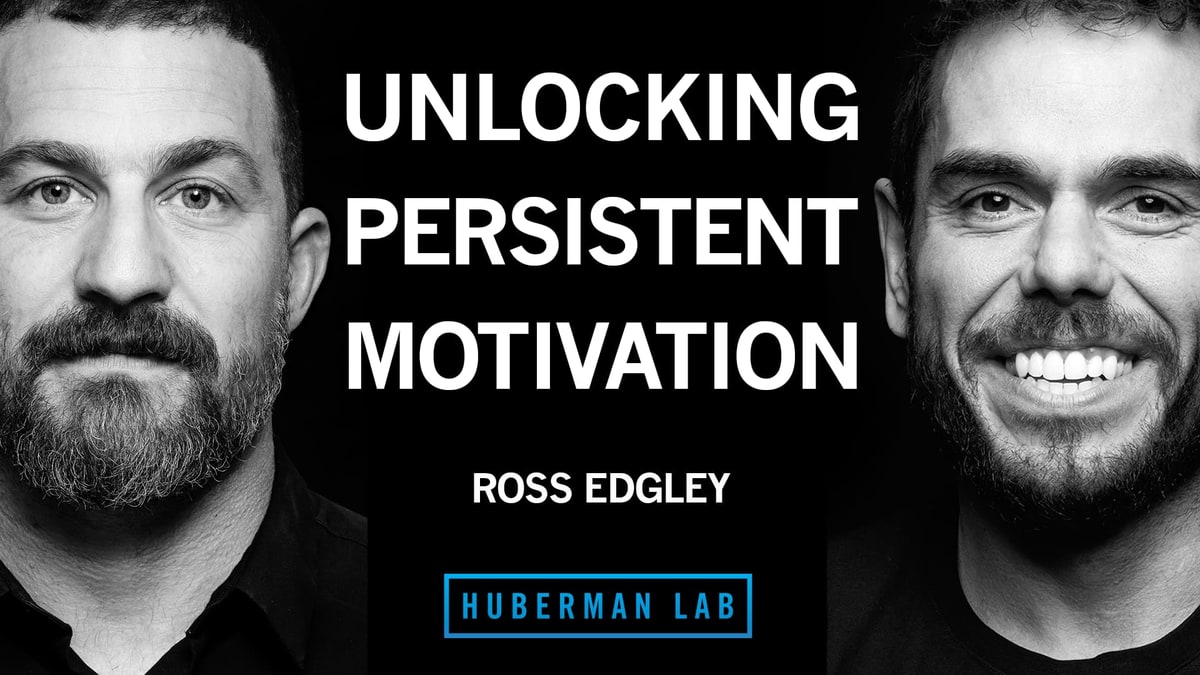

If you wake up at 3 AM convinced your job, your marriage or your future is falling apart, Stanford neuroscientist Andrew Huberman’s advice is simple: don’t believe it yet, and don’t decide anything. In a short video posted on Saturday, 31 October, he said that for most people, the brain between 2 AM and 5 AM is bad at controlling emotion, reasoning and planning, so thoughts from those hours deserve less weight.
The short version
- Between roughly 2 and 5 AM, the front of the brain does a poor job of keeping emotions in check, Huberman says.
- That is why night-time worries feel bigger and darker than they do in the morning.
- Don’t make important decisions or send important messages in those hours, unless it is a real emergency.
- Wait four to six hours, ideally after more sleep; you will think more clearly.
- This applies to people on a normal day schedule, not night-shift workers whose body clock is shifted.
What Huberman says
The clip comes from his recent podcast episode with British endurance swimmer Ross Edgley, which was about motivation. The conversation turned to how the body clock changes our mindset during the day and night.
Huberman, a professor of neurobiology at Stanford, says the longer you have been awake, and especially if you are awake between 2 and 5 AM, the less your forebrain manages the parts of the brain that drive emotion, rational thinking and strategic decisions. He puts it bluntly: during those hours you are “seriously brain impaired”.
He is careful about who this applies to: people who usually fall asleep between 9 PM and midnight and wake between 5 and 8 AM. People who work nights and sleep in the day are on a different clock.
His advice is not to panic about what you think in the middle of the night, and not to act on it. Wait four to six hours, and you will be “significantly sharper”.
Is there science behind this?
Yes, though it is still being studied. In 2022 a group of sleep researchers from the University of Pennsylvania, the University of Arizona and Harvard published a review in the journal Frontiers in Network Physiology called the “Mind After Midnight” hypothesis. They argued that being awake after midnight, when the body clock is set for sleep, tilts the brain towards negative feelings, poorer self-control and riskier choices. They pointed to higher rates of some harmful behaviour at night as supporting evidence.
The authors themselves called it a hypothesis that still needs testing, so treat it as a strong pattern, not a law.
Our take
This is one of the more useful and least risky pieces of advice you will hear this month. You don’t need to buy a supplement or a gadget; you just need to notice the time.
It fits life in Pakistan well. Students up late before exams, people lying awake after load-shedding cuts the fan, young people scrolling through job news at 3 AM: all of them are judging their lives with a tired brain. Families also tend to have the hardest conversations late at night, after everyone is home. A rule of “no big decisions after midnight” saves a lot of regret.
Who should be careful: if your night-time thoughts are about harming yourself, or if you wake up anxious most nights for weeks, this is not something to wait out alone. Talk to a doctor.
Try this today
- Keep a notebook by the bed. If a worry wakes you, write it down and tell yourself you will look at it at 10 AM.
- Don’t open WhatsApp, email or bank apps if you wake at night.
- Get morning daylight for a few minutes after waking; it helps set the body clock so you wake less at night.
- Read the 3 AM note again the next morning and see how it looks.
This is general information, not medical advice. If anxiety or low mood is affecting your sleep or daily life, speak to a doctor or someone you trust.