Does the body keep the score forever? Therapist Emma McAdam on 3 nervous system myths
"Dysregulated nervous system" is everywhere online. Therapist Emma McAdam explains why calm isn't the goal and why trauma isn't permanent damage.
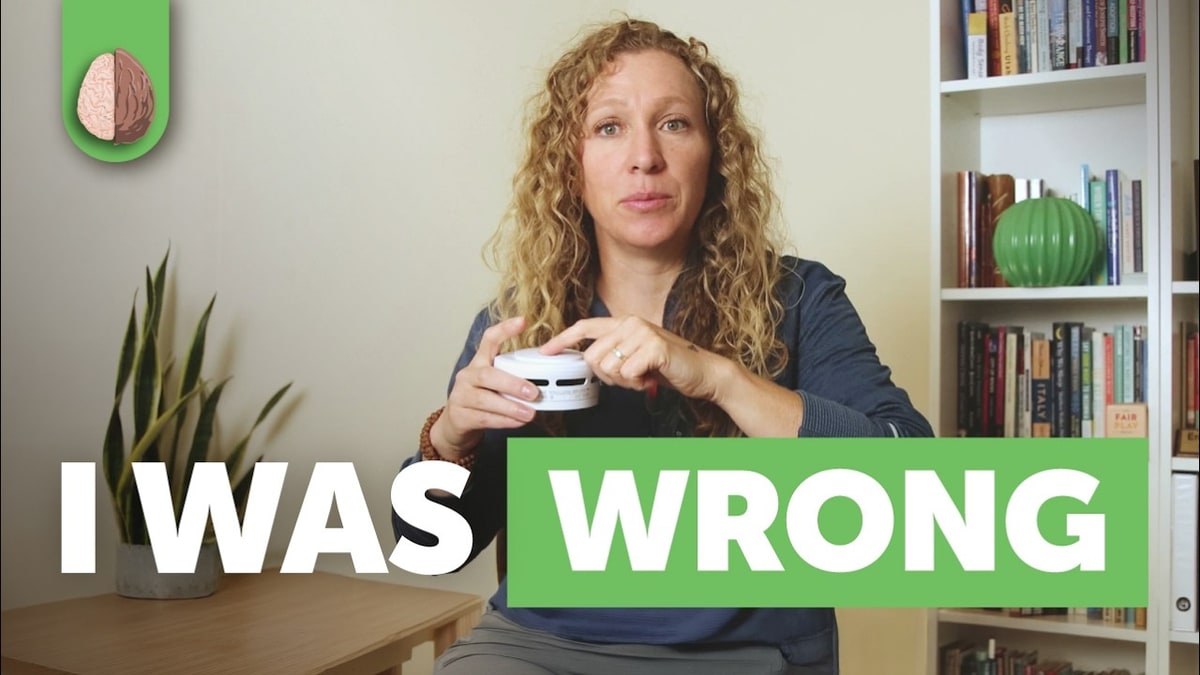

No, says licensed therapist Emma McAdam: past trauma shapes how your body reacts, but it does not leave you permanently “damaged”. In a new Therapy in a Nutshell video, she takes apart three popular ideas about the nervous system and argues the real goal is flexibility, not feeling calm all the time.
McAdam is a licensed marriage and family therapist in the US who runs the Therapy in a Nutshell channel. The clip below is the part about trauma.
The short version
- A healthy nervous system is not calm all the time. Anxiety, anger and alertness are normal when there is a real problem.
- The aim is flexibility: notice the problem accurately, do something useful about it, then come back down.
- Trauma shapes your reactions, but those reactions happen in the present, so you can practise new ones in the present.
- Polyvagal Theory, the idea behind many “vagus nerve hacks”, is scientifically disputed. That doesn’t make every body-based tool useless.
- Breathing, mindfulness, exercise, biofeedback and gradual exposure still have evidence behind them.
What Emma McAdam says
Calm isn’t the target. McAdam says the internet has turned “regulation” into a promise that you will feel relaxed all the time. Her view: if something is actually wrong, your body should switch on. Being regulated means seeing the problem as it is, taking helpful action and then returning to a sense of safety and connection.
The body keeps the score, but not forever. The phrase comes from a famous trauma book, and McAdam does not dismiss it. Past experiences absolutely shape how we respond, she says. But because those old patterns play out today, today is also where you can change them: building safety, solving problems, setting boundaries and getting back a sense of control over your life.
Polyvagal Theory has real critics. Much of the “dysregulation” language online comes from Polyvagal Theory. McAdam points out that parts of it have faced serious scientific criticism, and she lists both critiques and replies in her video notes. Her conclusion is not to throw everything out: the mind-body connection is real, and several body-based approaches have good support.
Our take
This is a useful correction. A lot of social media wellness content tells people their body is “stuck” and sells them a cold plunge or a breathing course to fix it. McAdam’s message is more hopeful and more honest: you don’t need a perfectly calm body, you need practice responding differently.
The Polyvagal debate is real. In 2025 an international group of researchers published a strong critique in the journal Clinical Neuropsychiatry, and the theory’s creator, Stephen Porges, published a reply defending it. For ordinary readers, the safe takeaway is the one McAdam gives: use the tools with evidence and ignore anyone promising a “vagus nerve reset”.
In Pakistan, where many people carry loss, violence or family pressure without ever naming it as trauma, the idea that change happens in the present matters. It means help is still useful years later. The NHS says post-traumatic stress usually gets better for most people, with trauma-focused talking therapies such as CBT and EMDR.
Try this today
- When you feel wound up, ask: is there a real problem right now? If yes, take one small step on it.
- If not, try slow breathing for two minutes, longer out-breath than in-breath.
- Go for a 15-minute walk. Movement is one of the best-supported ways to bring your body down.
- Notice one place or person where you feel safe, and spend time there this week.
Other parts of the video
- 0:58 Why regulation isn’t being calm all the time
- 1:55 What to do when your nervous system is on alert
- 16:14 The criticisms of Polyvagal Theory
- 19:09 Summing up the three misconceptions
This article is for information, not medical advice. If past events still affect your sleep, work or relationships, speak to a doctor, psychologist or someone you trust.