How to sleep better at night: Andrew Huberman's morning light and caffeine rules
Stanford neuroscientist Andrew Huberman says better sleep starts with morning sunlight, an early caffeine cutoff and dim lights after 10pm. How to use it.
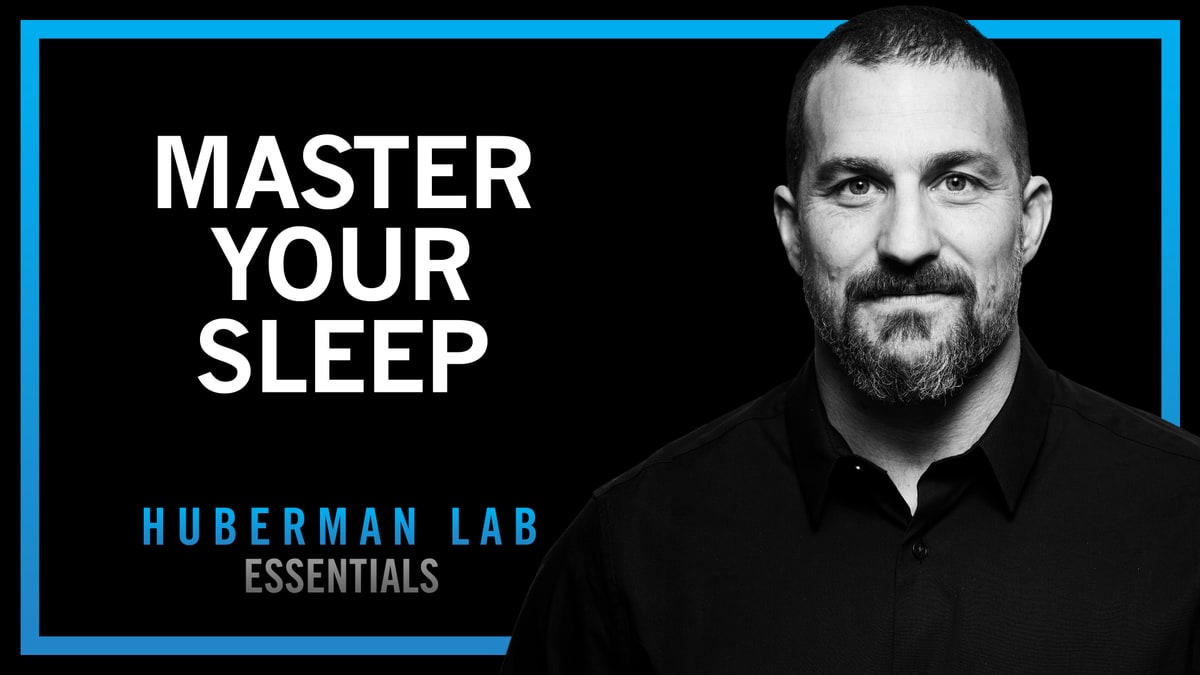

Better sleep, according to Stanford neuroscientist Dr Andrew Huberman, starts in the morning, not at bedtime: get outside into daylight within an hour of waking, stop caffeine 8 to 10 hours before bed and keep bright lights off late at night. He sets out these tools in a Huberman Lab Essentials episode on sleep and in his free written “Toolkit for Sleep”.
The clip below plays only the part of the episode on morning light, which is the tool he puts first.
The short version
- Go outside within 30 to 60 minutes of waking: about 10 minutes of sun on a clear day, 20 on a cloudy one, longer if it is very overcast.
- Get some late-afternoon light too, before sunset.
- Wake up at the same time every day, and go to bed when you first feel sleepy rather than pushing through it.
- No caffeine in the 8 to 10 hours before bed.
- Avoid bright overhead lights between about 10pm and 4am; use only as much light as you need.
- Keep the bedroom cool and dark, and keep naps under 90 minutes, or skip them.
What Huberman says about morning light
Huberman, a professor of neurobiology at Stanford, explains that two forces run sleep: a build-up of a chemical called adenosine the longer you are awake, and the body’s internal 24-hour clock. Light reaching the eyes is the main signal that sets that clock.
The episode ties this to two hormones: cortisol, which wakes the body up in the morning, and melatonin, which rises at night to help it sleep. Morning light is how he suggests anchoring that daily rhythm. You don’t need to stare at the sun, and you should never look at light that hurts. Sunglasses are best skipped if it is safe to do so, though ordinary glasses and contact lenses are fine.
If you wake before sunrise, his advice is to switch on bright indoor lights and then step outside once the sun is up.
What he says about evenings and naps
At night the logic reverses. Bright light, especially from overhead, between 10pm and 4am can throw the clock off, so he suggests dim, low lamps instead. He also warns that many people feel a burst of alertness about an hour before their natural bedtime; it passes, so don’t take it as a sign you aren’t tired.
For waking at 3am, he says brief waking is normal, and suggests a guided relaxation practice he calls non-sleep deep rest, or yoga nidra, if you can’t drop off again.
Our take
The core of this, morning light, a fixed wake time, dark nights and no late caffeine, is well supported and lines up with mainstream advice. The NHS gives very similar tips for insomnia, though it is stricter on one point: it says don’t nap at all, and puts the tea and coffee cutoff at six hours before bed. Huberman also lists sleep supplements in his toolkit; we have left those out, because the evidence is mixed and you should speak to a doctor before taking any.
In Pakistan, the light advice is the easy part. Many people are already up for Fajr, and a few minutes on the roof or balcony after sunrise costs nothing. The harder parts are local: late-night chai, dinner at 10pm, wedding season and load-shedding that makes a cool bedroom impossible in summer. Pick the one habit you can actually change, such as moving your last cup of chai to the afternoon, before trying them all.
Try this today
- Tomorrow morning, step outside for 10 minutes within an hour of waking. No phone needed.
- Make your last cup of tea or coffee at least eight hours before you plan to sleep.
- After 10pm, switch off the tube lights and use a lamp.
- Set the same wake-up alarm for all seven days this week, including Sunday.
This is general information, not medical advice. If you have struggled to sleep for months, or poor sleep is making daily life hard, see a doctor.
Other parts of the episode
Sources
This story was researched and drafted with AI assistance, then checked and edited by our editor before publishing.