Night sky tonight: Taurid meteor shower peaks, how to see fireballs in Pakistan
The Southern Taurids peak on the night of 4 to 5 November with slow, bright fireballs. When to look, where to face, and the next two showers this month.
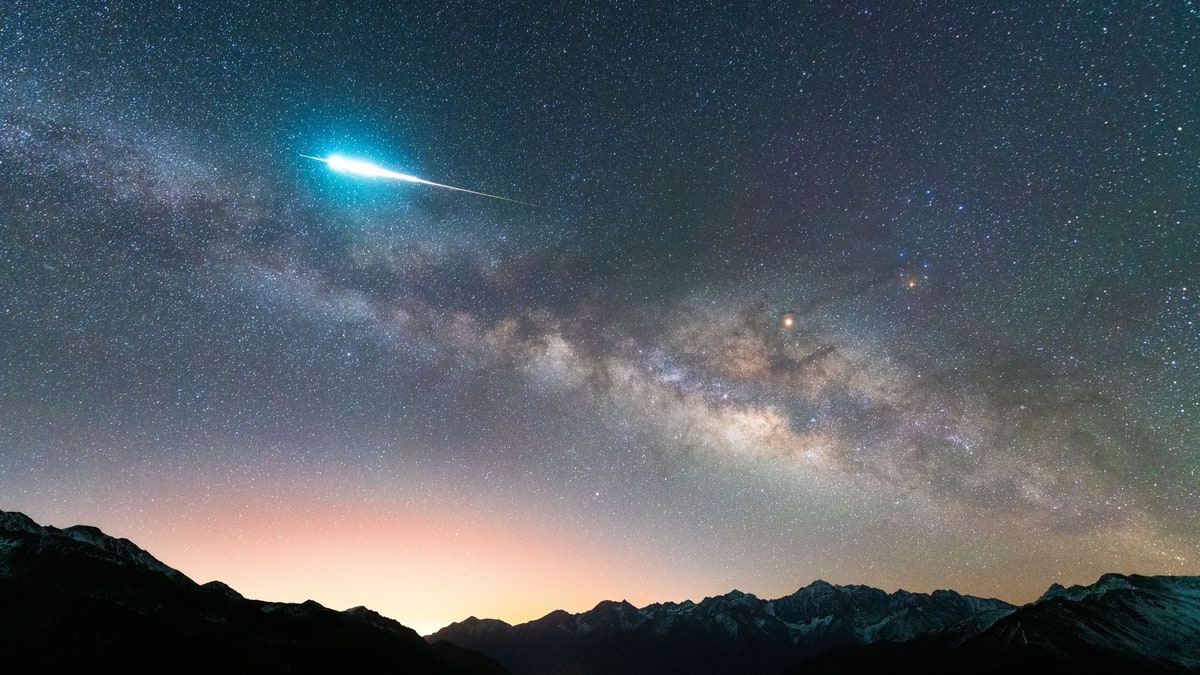
If you saw a bright streak in the sky last night and searched “night sky”, you were probably looking at a Taurid. The Southern Taurid meteor shower peaks around the night of 4 to 5 November, and it is known less for numbers than for the occasional big, slow fireball that lights up the sky for a second or two.
The good news for Pakistan: the moon is only a thin waning crescent that rises a couple of hours before dawn, so most of the night is dark enough to watch. And if you missed it, there are two more chances this month.
What the Taurids are
The Taurids are tiny bits of rock and dust left behind by Comet Encke. Every autumn the Earth passes through that trail, and the pieces burn up as they hit our atmosphere. They seem to come from the direction of the constellation Taurus, which is where the name comes from.
There are two streams. The Southern Taurids peak around 5 November, according to the American Meteor Society’s 2026 calendar. The Northern Taurids peak on the night of 11 to 12 November, when the moon will be almost new and the sky even darker.
How many will you see?
Be realistic: about five meteors an hour from a dark spot. The Taurids are a “low quantity, high quality” shower. What makes them worth the effort is that they move slowly and some turn into fireballs, meteors brighter than the planet Venus. This year’s fireball activity is expected to be about average; the next big Taurid fireball “swarm” is predicted for 2032.
How to watch from Pakistan
- When: from late evening, once Taurus has risen in the east, until before dawn. The best hours are after midnight, when Taurus is high.
- Where to look: you don’t need to find Taurus. Lie back and look at a wide patch of sky; meteors can appear anywhere.
- Get away from lights: city glow and smog in Lahore, Karachi or Faisalabad will hide most of them. A rooftop with the lights off helps; open fields outside the city are better.
- Give your eyes 20 minutes: don’t look at your phone. Each glance at a bright screen resets your night vision.
- No telescope needed: binoculars and telescopes show too little sky. Your eyes are the best tool.
Check the weather first. In Punjab, smog on still November nights can cut visibility more than clouds do.
Two more showers this month
- Northern Taurids: peak on the night of 11 to 12 November, with only about 4% of the moon lit.
- Leonids: active from 6 to 30 November, peaking on the night of 16 to 17 November. A 39% crescent moon will set early in the night, so the hours before dawn are best.
The Southern Taurids stay active until about 20 November, so even after the peak, a dark night can still give you a fireball.