Lahore AQI tops 500, Gulberg hits 920 as smog shuts motorways
Lahore was again the world's most polluted city on Sunday, with Gulberg II at 920. Motorways closed, no rain in sight. What to do until the air clears.
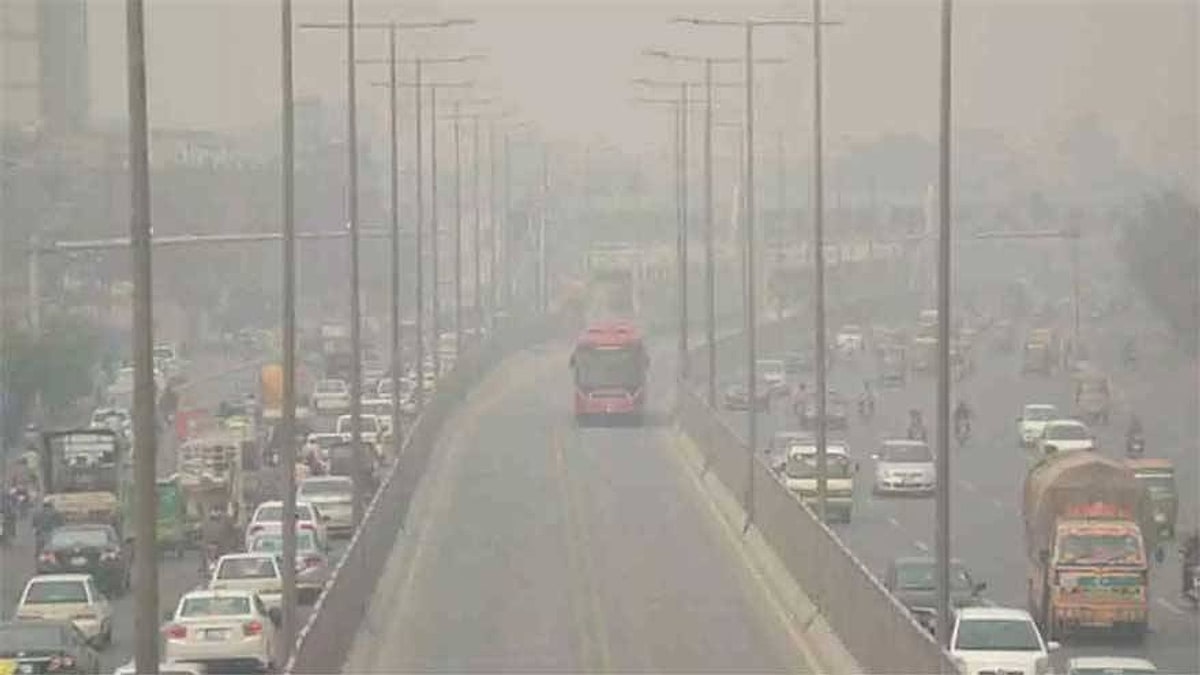
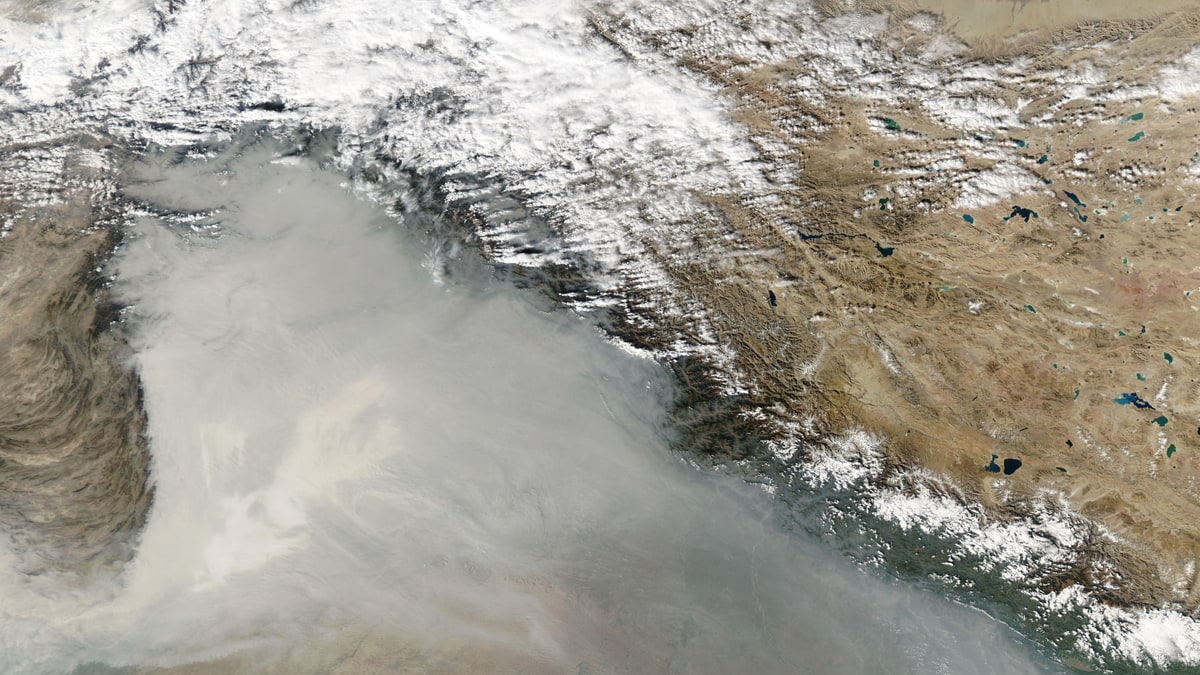
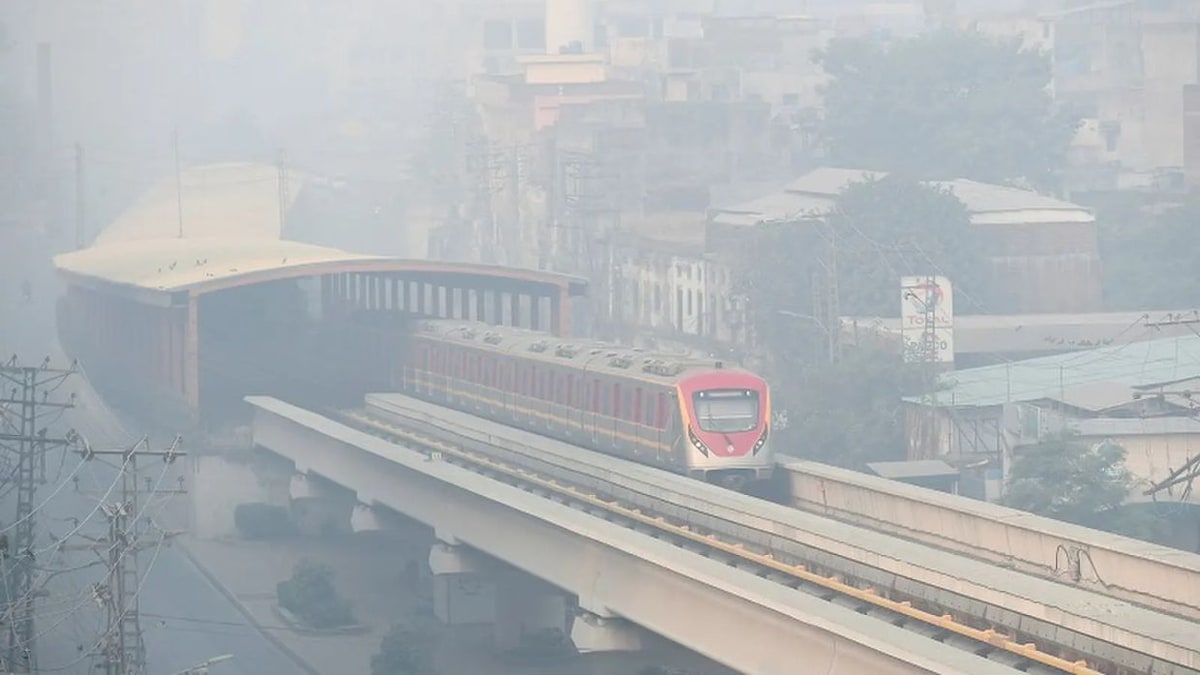
Lahore woke up to the dirtiest air on the planet again this weekend. Readings across the city went past 500 on Sunday, 22 November, and one monitor in Gulberg II showed 920, a number so far beyond the “hazardous” line that the scale stops meaning much.
The Nation and Pakistan Today, citing the city’s monitoring stations, reported Gulberg II at 920 and Allama Iqbal Town at 700, while Askari 10 was lower at 275. Aaj News put the citywide reading at 481 early on Sunday morning, enough to top the world list ahead of New Delhi at 231. The numbers differ because each station measures its own neighbourhood at its own hour, so treat 920 as a local peak, not the whole city’s average. Either way, anything above 300 is classed as hazardous for everyone, not just the sick and elderly.
Which other cities are hit?
Lahore is not alone. Bahawalpur recorded 525, Gujranwala 435, Faisalabad 415 and Sargodha 404, according to the same reports. Multan was lower at 274, still well inside the unhealthy range.
Motorways closed in fog
The smog came with thick fog overnight. Motorway Police closed the M-2 from Lahore to Hiran Minar because drivers could not see, and traffic on the M-11 Lahore-Sialkot, M-3 and M-4 motorways was also affected. A Motorway Police spokesperson asked people not to travel unless they have to, and to plan journeys between 10 AM and 6 PM, when visibility is usually better.
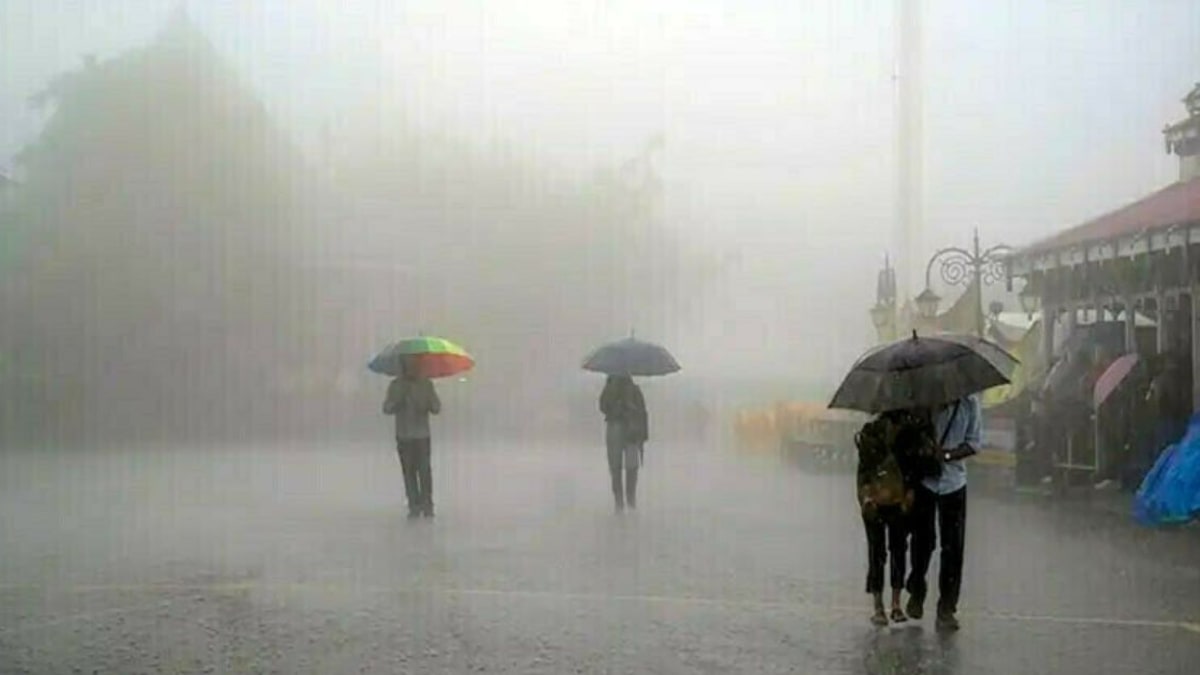
Will it rain soon?
Not yet. The Pakistan Meteorological Department has ruled out rain for the next few days, and with weak winds the smog is expected to sit over Punjab. The Met Office has separately issued a drought alert for Sindh, Balochistan and southern Punjab after months of below-normal rain: southern Punjab got 74% less rain than normal in the first 20 days of November.
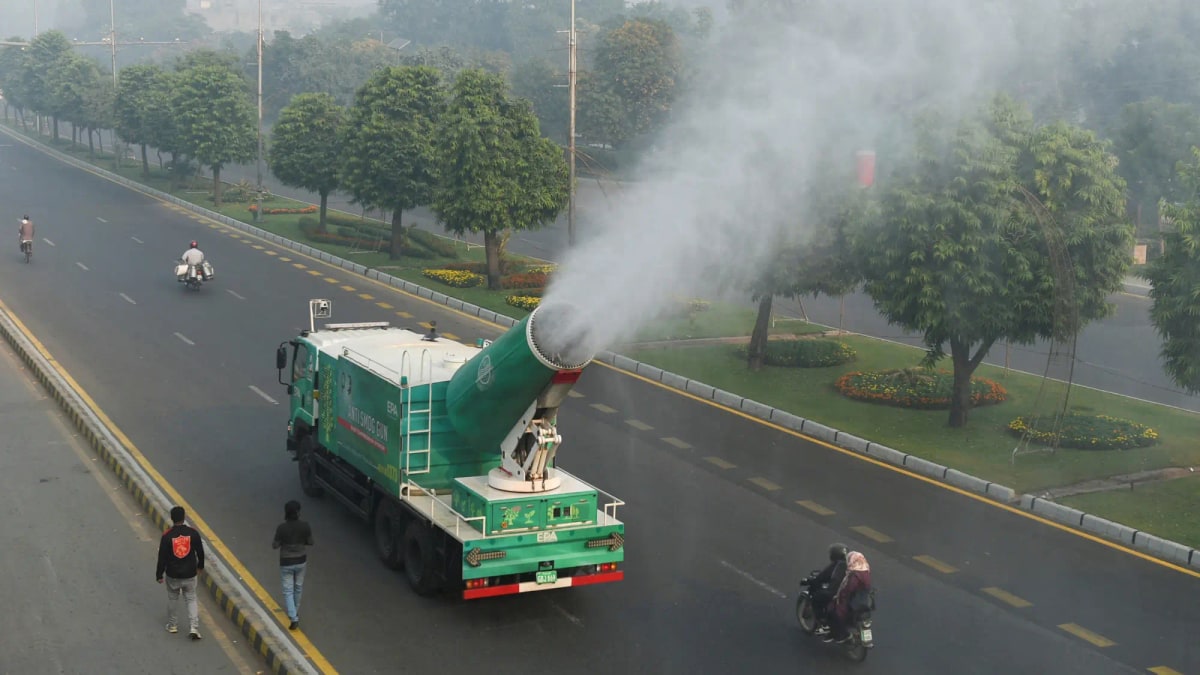
The National Institute of Health has warned of a rise in flu, chest infections and heart problems, and asked people to take precautions. The Punjab government says it has sealed industrial units and brick kilns in its anti-smog drive this month and is cracking down on crop-stubble burning.
What you can do today
- Keep children and older relatives indoors in the morning and late evening, when readings are worst.
- Wear an N95 or KN95 mask outside; a cloth mask does little against this kind of dust.
- Keep windows shut, and if you have one, run an air purifier in the room where you sleep.
- Check the live reading on the Punjab EPA’s air quality portal before school runs or a long drive.
- See a doctor quickly if someone with asthma or heart trouble gets breathless.
We will keep tracking the readings. The next real relief depends on wind or rain, and the forecast does not show either this week.