CJI Surya Kant: lawyer faces contempt for 'you don't deserve the chair'
A lawyer told India's Chief Justice in open court that he lacked integrity. The Attorney General approved criminal contempt and the court issued notice.
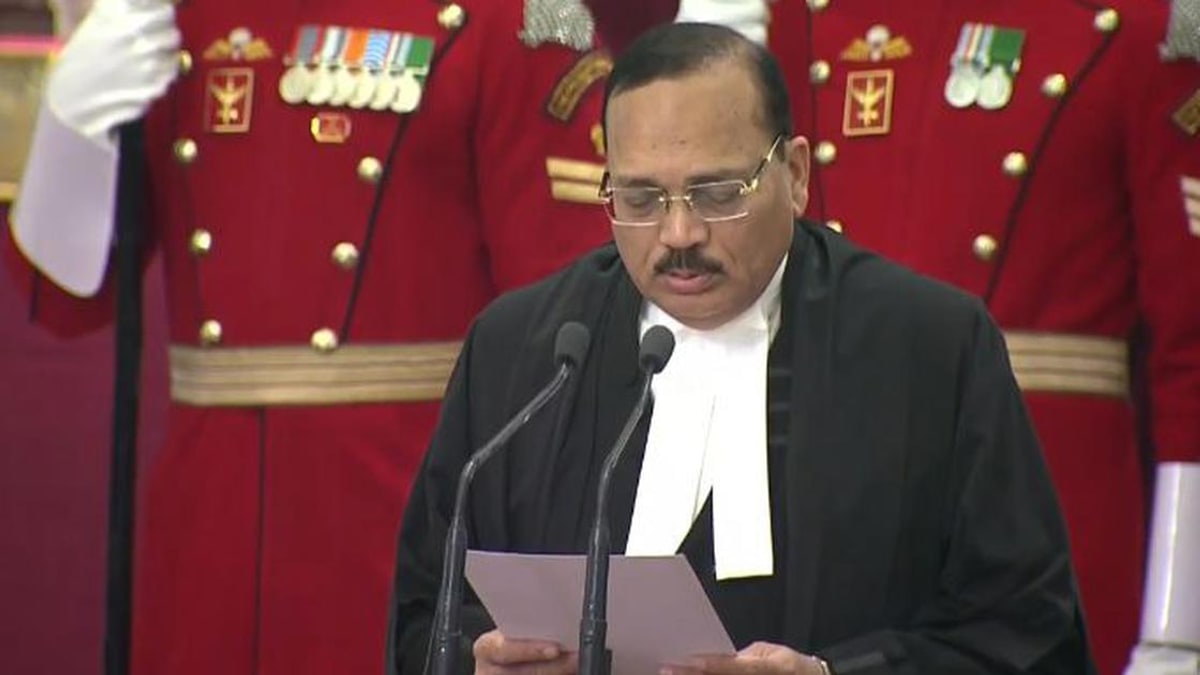
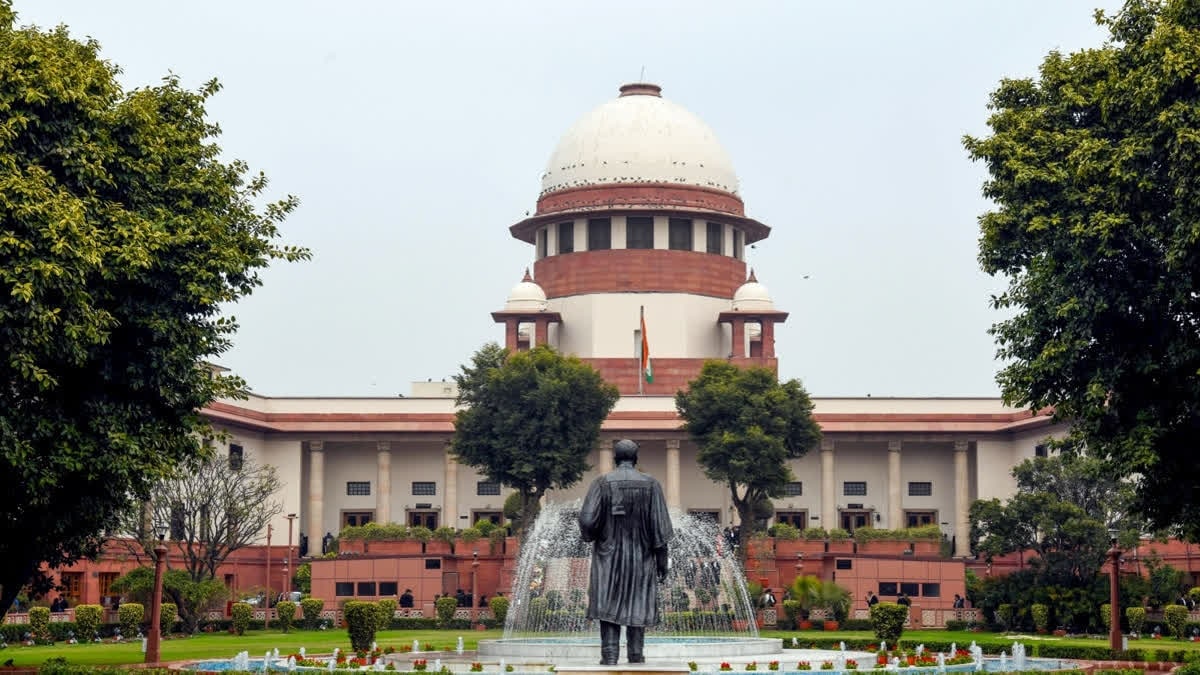
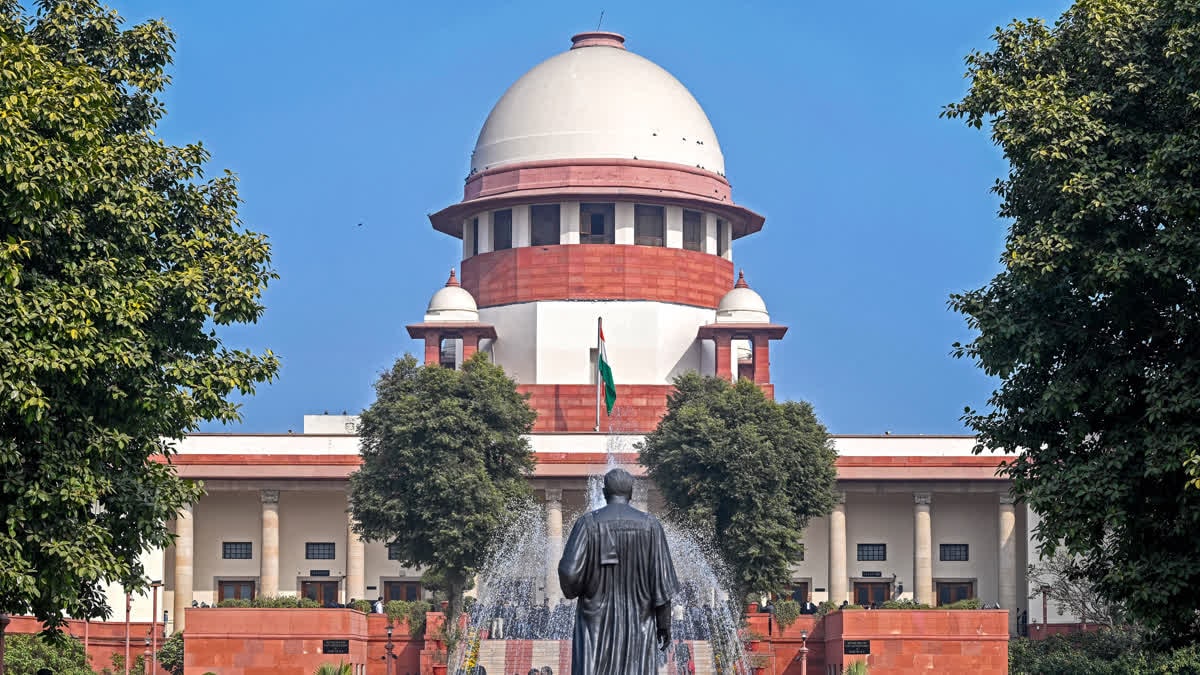
India’s Supreme Court has issued a contempt notice to advocate Pravin Singhal, who told Chief Justice of India Surya Kant in open court that he did not deserve the chair and lacked integrity, Bar and Bench and LawBeat reported. The notice is returnable on 20 January 2027.
“सूर्य कांत” (Surya Kant) was among the top Google searches in India on Thursday, 19 November.
What happened in court
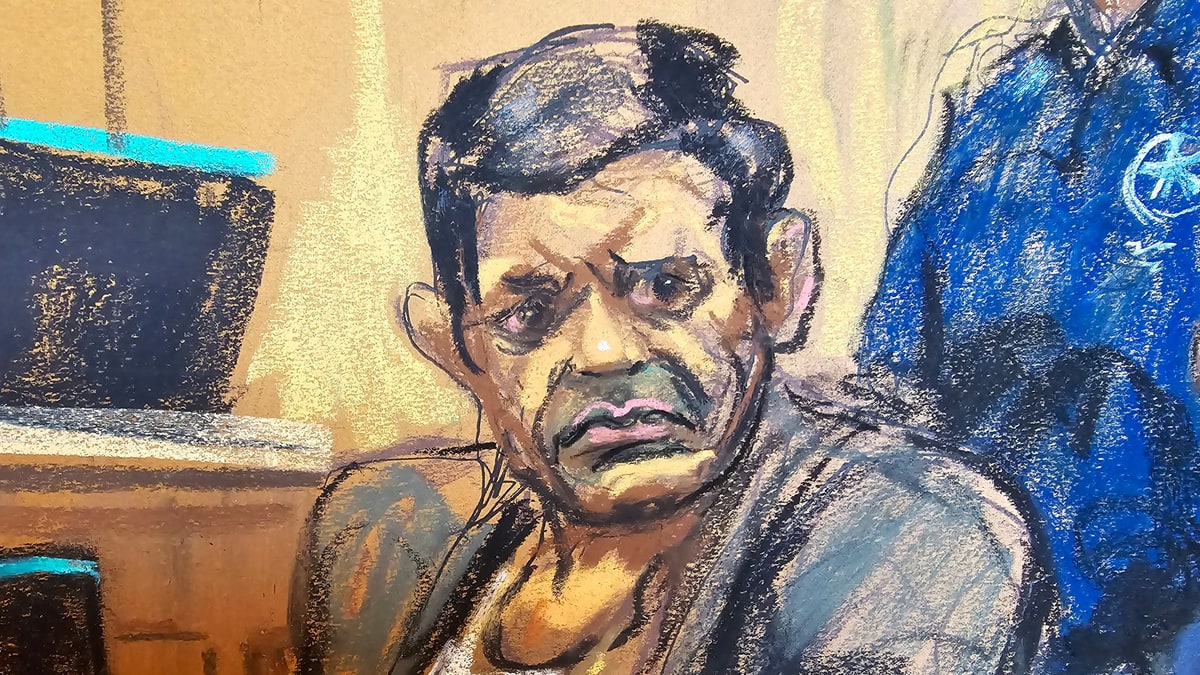
On Monday, 16 November, Singhal stood up in the CJI’s courtroom and said Justice Surya Kant did not deserve to occupy the post and did not have integrity, according to Scroll and Bar and Bench. He was escorted out of the courtroom.
The Supreme Court Bar Association (SCBA), which then asked for criminal contempt action, said Singhal had submitted papers at the CJI’s office on 2 November and had not had a reply after 15 days, India Legal reported. The CJI also recalled in court that the same lawyer had made abusive remarks about him earlier, during protests over the appointment of the Chief Election Commissioner, which had led to contempt proceedings then too.
The Attorney General steps in
In India, a private party needs the Attorney General’s consent to start criminal contempt against someone. On 17 November, Attorney General R Venkataramani gave it, calling the lawyer’s conduct “extremely scandalous and unpardonable” and saying it fell under Section 15(1)(b) of the Contempt of Courts Act, Bar and Bench reported. The court then issued notice on the SCBA’s plea on Wednesday.
Who is Surya Kant
Justice Surya Kant became India’s 53rd Chief Justice in November 2025. Before the Supreme Court, he was Chief Justice of the Himachal Pradesh High Court.
Why it matters
Indian courts have punished lawyers for contempt before, sometimes with fines or suspensions from practice. The case will test the old balance between protecting the court’s dignity and allowing criticism of judges. Pakistan’s courts face the same debate, where contempt cases against lawyers, politicians and journalists are common.
The matter returns to the Supreme Court on 20 January 2027, when Singhal will have to answer the notice.