Two-child norm has 'lost relevance', India's Supreme Court says
India's Supreme Court says two-child laws for local office have lost relevance as fertility fell to 1.9, and sent the issue to a larger bench.
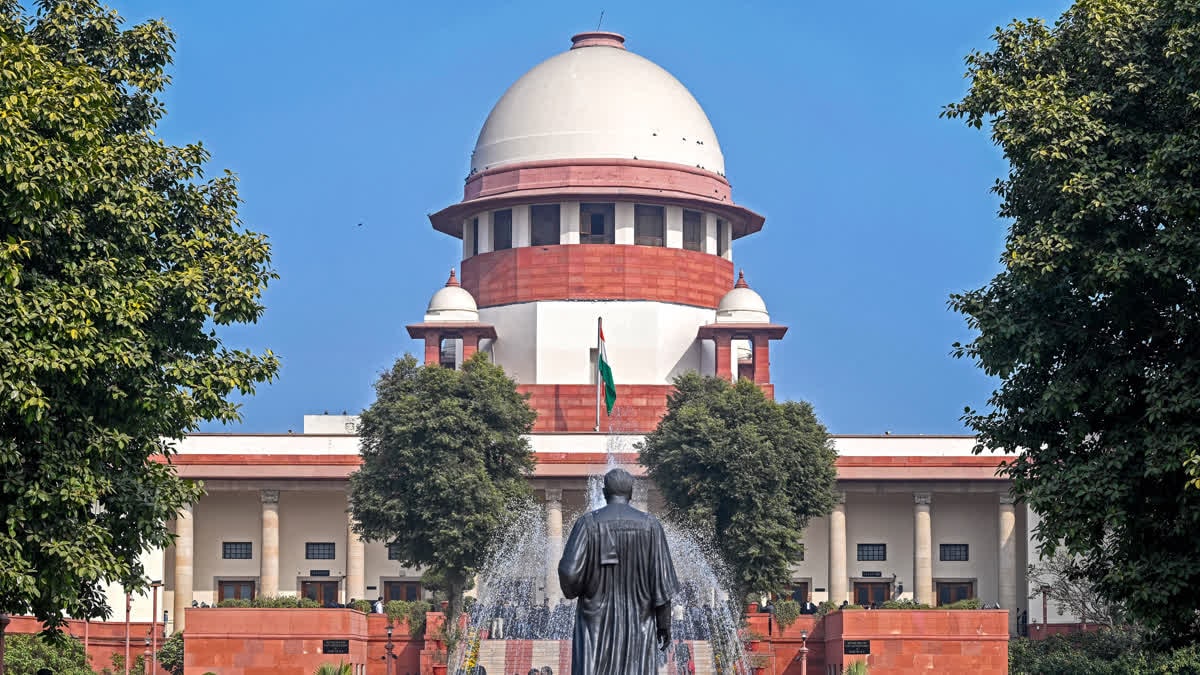
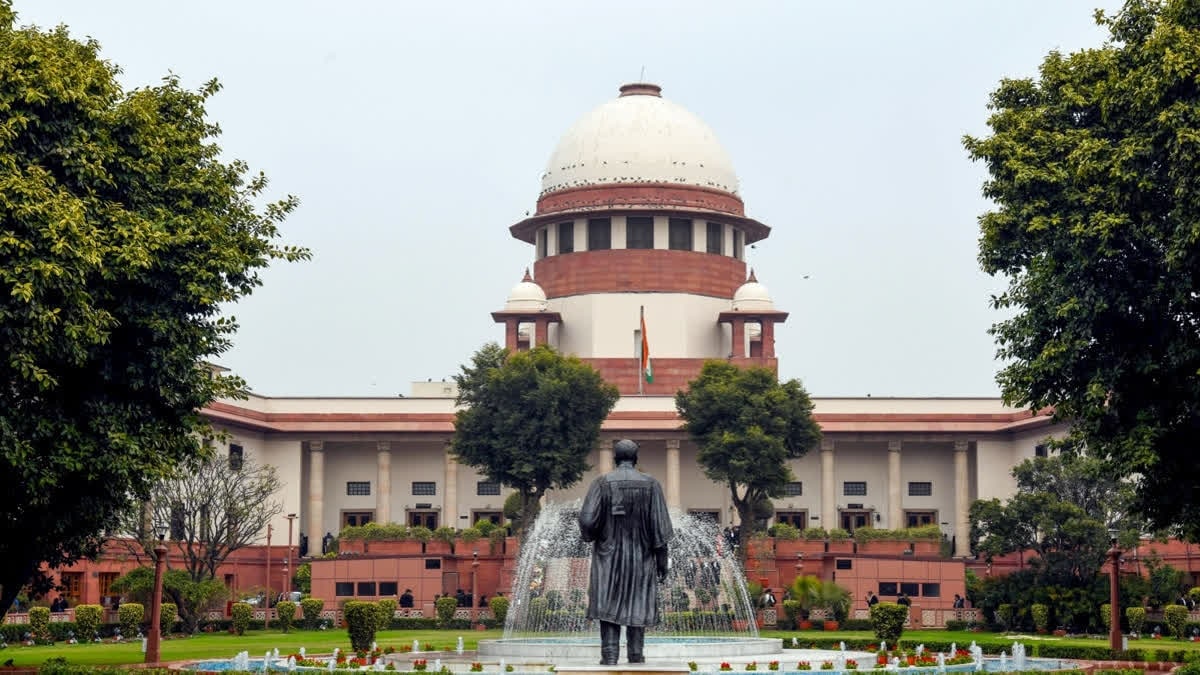
India’s Supreme Court said on Wednesday, 4 November, that laws punishing people for having more than two children “have lost their relevance,” because the country’s fertility rate has fallen below the level needed to keep its population stable. It did not strike the laws down. Instead, a bench of Justices PS Narasimha and Alok Aradhe sent the question of whether they are valid to a larger bench.
“We are of the strong opinion that laws that penalise having more than two children have lost their relevance,” the judges wrote. Allowing such a law to stand, they added, “excludes an entire class of citizens from political representation.”
The village head who had a third child
The case began in Kakoda, a village in Maharashtra’s Buldhana district. Its sarpanch (village head), Mangala Bhimrao Ingle, was disqualified in October 2024 after a complaint that she had a third child. Maharashtra’s village panchayat law bars anyone with more than two children from being a panchayat member or sarpanch.
Her appeal to the divisional commissioner in Amravati failed, and in August 2025 the Bombay High Court upheld the disqualification, relying on a birth certificate. The Supreme Court has now put the proceedings against her on hold until the larger bench decides.
What changed since 2003
These rules were upheld by the Supreme Court in 2003, in a case called Javed v State of Haryana, when the worry was overpopulation. At the time India’s total fertility rate, the average number of children a woman has, was about 3. It is now about 1.9, below the replacement level of 2.1.
The bench said that the fear of overpopulation behind these laws had faded. It warned that a fertility rate below replacement will, in time, mean an older country with a smaller share of working-age people, even though India’s population is not yet shrinking. It also said such laws clash with the right to make decisions about having children, which Indian courts treat as part of the right to life and personal liberty under Article 21.
The court asked lawyers to find out which states still have such rules and appointed advocate Rukmini Bobde to help it as an independent adviser.
Why Pakistanis are reading this
Pakistan is moving the other way. Its fertility rate is still well above India’s, about 3.6 children per woman in the last national Demographic and Health Survey, and population growth is one of the pressures behind its water, jobs and school shortages. India’s courts now say the debate it had twenty years ago is over for India; Pakistan is still having it.
The larger bench has not yet been formed, and no hearing date has been set.