Foreign divorce not valid in India, Supreme Court rules in bigamy case
India's Supreme Court says a UK divorce granted on 'irretrievable breakdown' does not count in India, so a doctor who remarried must face a bigamy case.
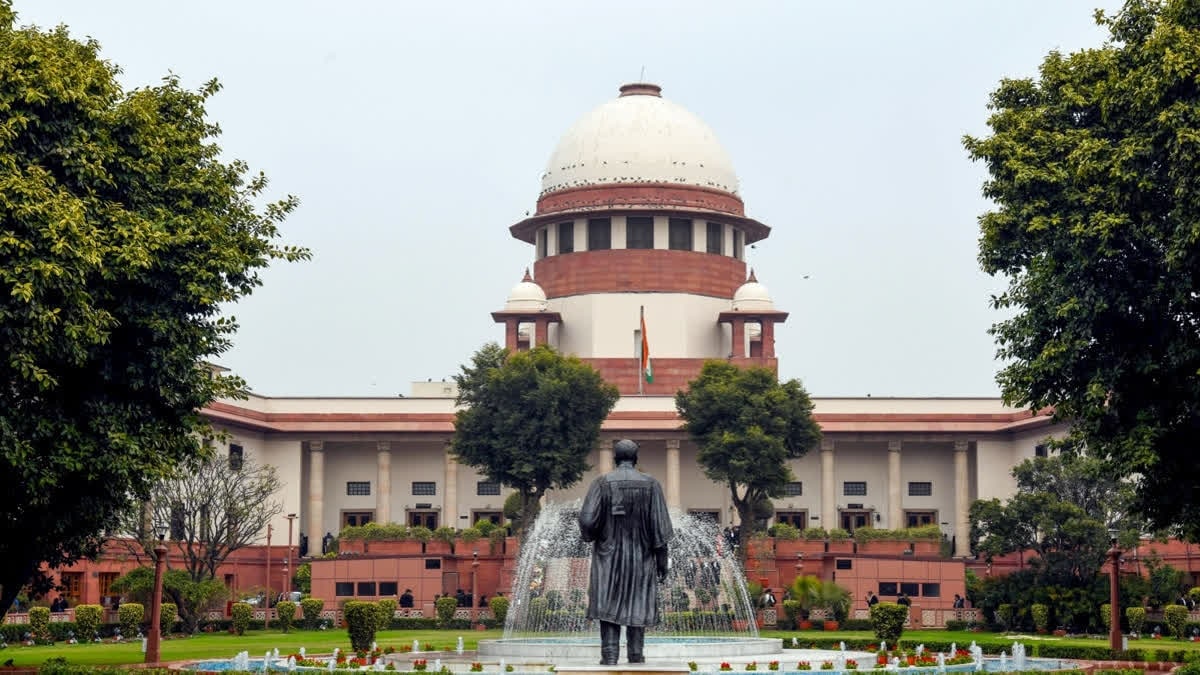
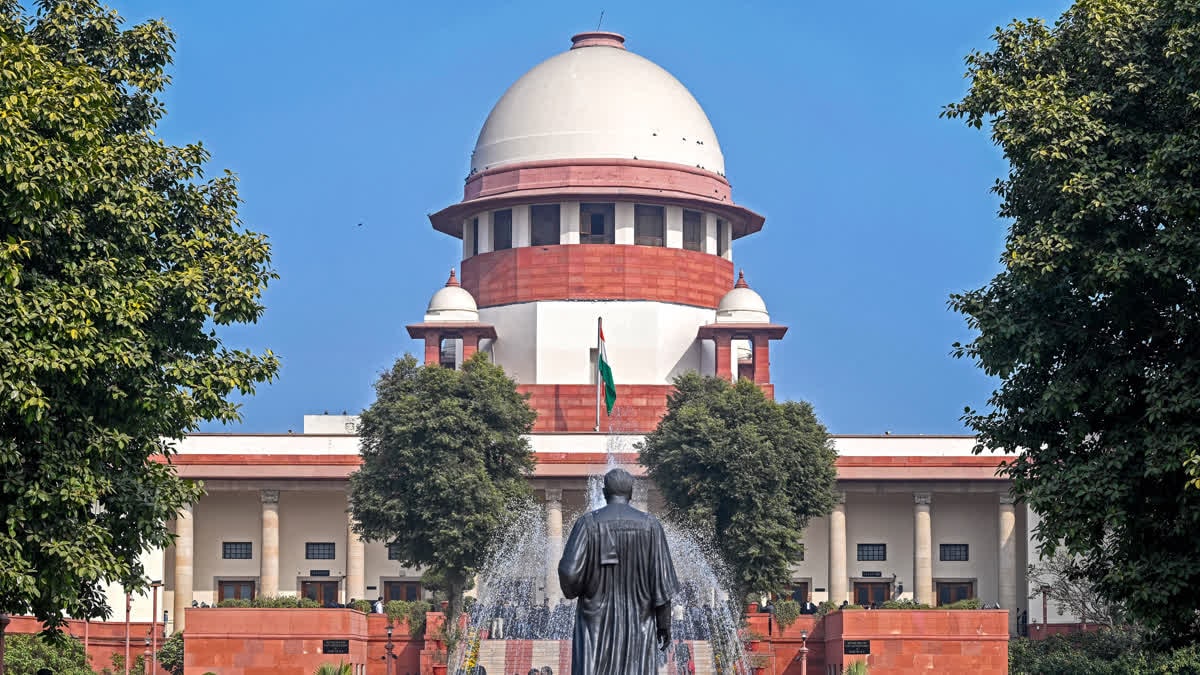
A divorce granted abroad on the ground of “irretrievable breakdown of marriage” is not valid in India, the Supreme Court of India ruled on Tuesday, 3 November. The court refused to quash a bigamy case against a man who divorced his first wife in a British court and then remarried in England.
The ruling matters to the millions of Indian families with members working abroad, and it closes a route some husbands have used: getting a quick divorce overseas after failing to get one at home.
What happened in the case
The couple married on 18 April 2003 in Sattenapalli, Andhra Pradesh, under Hindu rites. They lived in Hyderabad while the husband studied at Osmania Medical College. In February 2005 he moved to the United Kingdom for his medical career and his wife later joined him.
In August 2007 she went back to her parents’ home in Sattenapalli to give birth. He says she did not return to the UK despite his requests. He filed for divorce and custody in a court in Narasaraopet, Andhra Pradesh. Both cases were dismissed. He appealed to the High Court, then withdrew the appeal.
He became a British citizen on 1 February 2013 and asked the Cambridge County Court in England for a divorce. It granted one in 2014 on the ground of irretrievable breakdown, meaning the marriage had broken down beyond repair. He then married again in Norfolk. About two years later his first wife filed a bigamy and conspiracy complaint with police in Sattenapalli.
What the Supreme Court said
A bench of Justices Prashant Kumar Mishra and Shree Chandrashekhar called it a case of matrimonial forum shopping. The key points:
- The UK decree does not count in India. Irretrievable breakdown is not a ground for divorce under the Hindu Marriage Act. The court said the decree “was passed in contravention of the existing matrimonial law in India” and fails the test in Section 13 of the Code of Civil Procedure, relying on its 1991 Y. Narasimha Rao judgment.
- Marrying abroad is no shield. Because the first marriage took place in India, the bigamy charge stands even though the second wedding was in England. The “enquiry for the offence of bigamy cannot be confined to the place of second marriage,” the bench said.
- New passport, same marriage. Taking British citizenship did not undo the legal effects of a marriage that was still valid.
The court did quash the case against the man’s parents and his second wife.
Why it matters beyond India
The same question comes up in Pakistani families with relatives in the UK, US and Gulf, where foreign courts also grant divorces on grounds local law may not recognise. Pakistan’s family law is different, built around Muslim personal law and the union council process, so this judgment does not apply there. But the principle, that a home-country marriage is judged by home-country law, is one families on both sides of the border run into.
The man’s bigamy case now goes back to the trial court in Andhra Pradesh.