Saudi $3 billion rollover: Aurangzeb confirms deposit extended, US $10bn uncertain
Saudi Arabia has extended Pakistan's $3bn deposit that matured on 31 October. The finance minister also played down the proposed $10bn US facility.
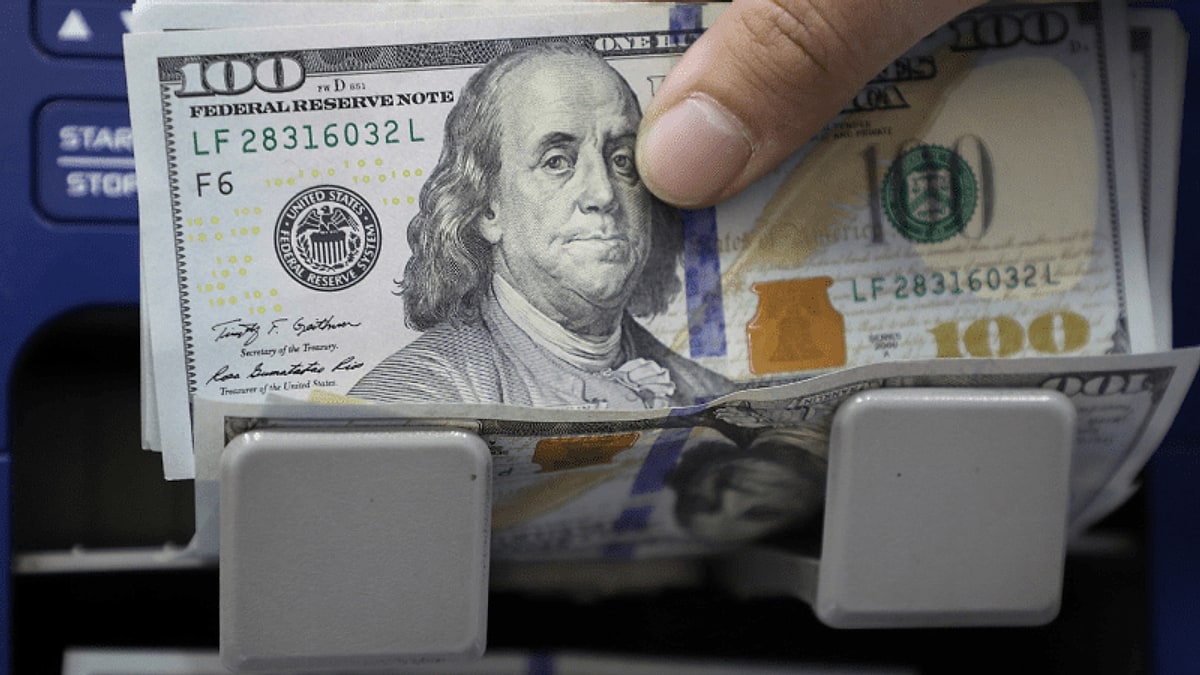
Saudi Arabia has extended the $3 billion it lent Pakistan in April, Finance Minister Muhammad Aurangzeb confirmed in Islamabad on Wednesday, 4 November. The money was due back on 31 October, and the minister said only that it had been extended “for a reasonable period”, without giving a new end date.
“Yes, its term has been extended,” Aurangzeb told reporters when asked whether the deposit had been rolled over. He put it down to the “strategic relationship” between the two countries and denied that Pakistan had asked Riyadh for any extra money.
What was this $3 billion for?
The deposit arrived in April as a three-month facility. It filled the hole left by about $3.5 billion Pakistan had to repay to the United Arab Emirates. It is separate from Saudi Arabia’s older $5 billion deposit with the State Bank, which has already been pushed back to 2028.
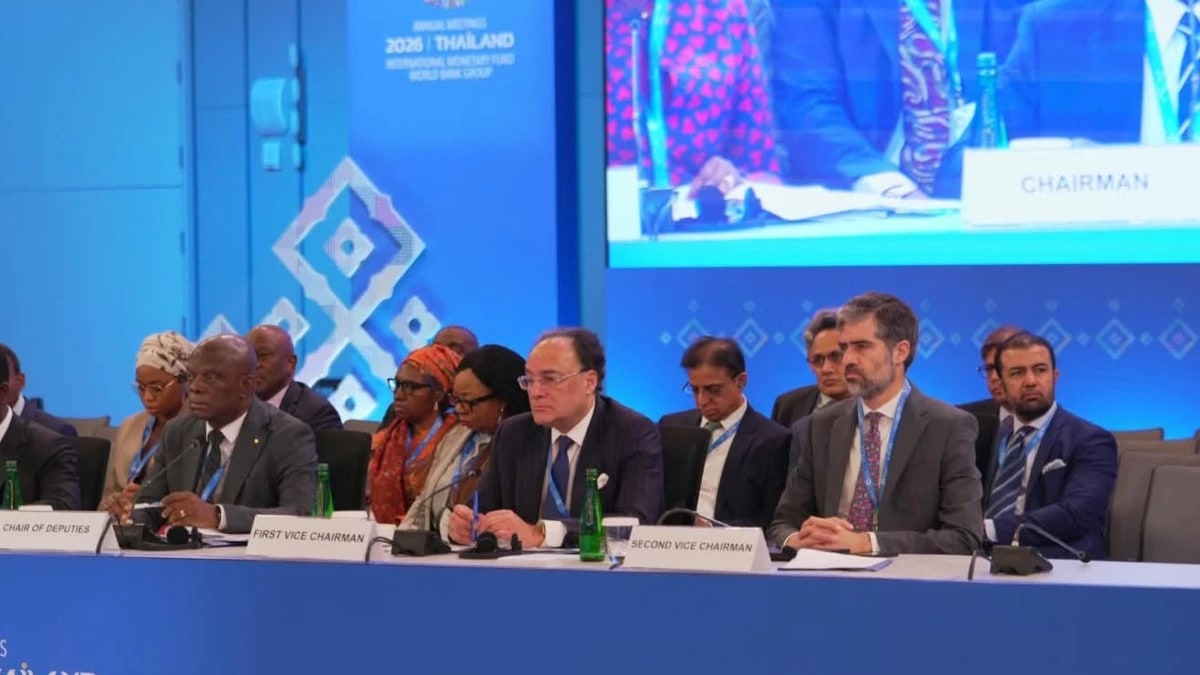
Aurangzeb said he discussed the matter with Saudi Finance Minister Mohammed Al-Jadaan at the World Bank and IMF meetings in Bangkok.
What about the $10 billion from the US?
In July, Pakistan asked Washington for a $10 billion Exchange Stabilisation Support Facility, a liquidity cushion for the government. On Wednesday the minister lowered expectations. He said the real aim in July had been getting back into international markets, which he says Pakistan has now done.
“If that materialises, fantastic,” he said, adding that Pakistan would go ahead “with or without it”. He pointed instead to the US Export-Import Bank and the Development Finance Corporation as sources of “real financing and real credit” for American investors and exporters working in Pakistan.
Where the money will come from instead
The government’s plan, as laid out by the minister:
- A $3 billion international bond sold in September drew orders worth $6 billion.
- More Eurobonds, a Panda bond in China’s market, and a new rupee-linked bond settled in dollars.
- Talks with 70 to 80 institutional investors in Bangkok about five-year and ten-year money.
- An IMF Executive Board review in December, which is expected to release about $1.2 billion under the $7 billion programme.
Aurangzeb said foreign exchange reserves had crossed $21.5 billion, which he called the highest in Pakistan’s history, covering more than three months of imports. He wants four months by the end of the year.
The debt numbers
At the Senate Finance Committee, Finance Secretary Imdadullah Bosal said public debt fell to 68.6% of GDP at the end of June 2026, from 75.1% in 2022-23, and that foreign debt was steady at $98.2 billion. Pakistan still needs $11 billion in net financing this year after rollovers: $5 billion has been repaid in the first four months and $6 billion is due over the next seven.
“Our objective is very clear: we do not want to increase our external debt,” Aurangzeb said. The government also hopes for a credit rating upgrade to B-plus by the end of this fiscal year or early next year.
What it means for you
A rollover means Pakistan does not have to find $3 billion in cash right now, which takes pressure off the rupee and the State Bank’s reserves. That matters for import prices, from fuel to medicines. Stocks have also been rising this week: the KSE-100 closed at 172,013 on Wednesday, up 2.38%, and was up again by nearly 2% in Thursday morning trade.
The next dates to watch are the IMF board meeting in December and further Saudi deposits that mature in December 2026 and March 2027.
This is information, not investment advice.