Pakistan G-24 chair: Aurangzeb takes over the developing nations' bloc from Nigeria
Pakistan now chairs the G-24, the voice of developing countries at the IMF and World Bank. What the role is, what it can and cannot do.
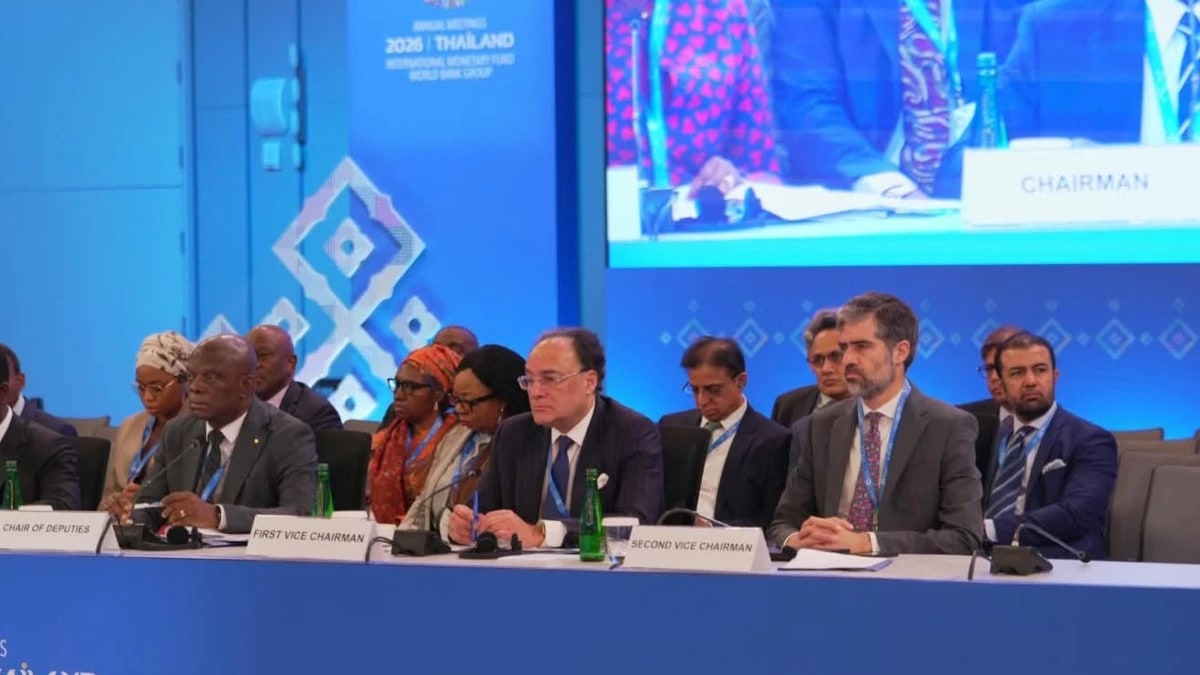
Pakistan took over the chair of the G-24, a group of developing countries that coordinates their positions on money and finance at the IMF and World Bank, on Sunday, 1 November. Finance Minister Muhammad Aurangzeb takes the chair from Nigeria, and Prime Minister Shehbaz Sharif called it “a significant diplomatic milestone”.
What is the G-24?
The Intergovernmental Group of Twenty-Four was set up in 1971 so that developing countries in Africa, Asia, Latin America and the Caribbean could speak with one voice on international monetary issues. It meets around the IMF and World Bank meetings each spring and autumn, prepares joint positions and pushes for things like more say for poorer countries in how those institutions are run. Decisions are made by consensus.
The chair runs the group’s agenda and speaks for it at those meetings. It does not give Pakistan any direct control over IMF or World Bank decisions, something worth remembering whenever a loan review comes up.
What Aurangzeb says Pakistan will push
In a statement from the Finance Division, Aurangzeb called the role a “profound responsibility”. “The future of developing economies is not peripheral to the future of the global economy. It is central to it,” he said. He set out three priorities:
- Development first: putting growth and jobs at the centre of global economic policy, with economic stability as the base.
- Fairer institutions: more equal voting and governance, and a quicker response from the IMF and World Bank to developing countries.
- Cheaper money for development: affordable financing, sustainable solutions for countries drowning in debt, stronger financial safety nets, climate resilience, and bringing in both public and private capital.
He added that the group’s leadership should be judged by results, not by how loud Pakistan’s voice is.
Why it matters for Pakistan
Pakistan is itself in an IMF programme: in October it reached a staff-level agreement on the fourth review of its $7 billion loan, which would release about $1.21 billion once the IMF board approves it. Chairing the G-24 gives Islamabad a bigger platform to argue the case that poor and climate-hit countries pay too much to borrow, an issue Pakistan has raised since the 2022 floods.
Shehbaz Sharif said he hopes Pakistan will push for reform of the financial system and fair climate finance, and praised Aurangzeb’s team for its work at the recent IMF and World Bank annual meetings. The first real test comes at the spring meetings in Washington, where the G-24 issues its next joint statement.