UK blackout hoax on 19 November: National Grid says the warning is fake
A viral post claimed a major UK blackout from 4 PM on Thursday 19 November. National Grid says no outage is expected. Where it spread and how to spot the next one.
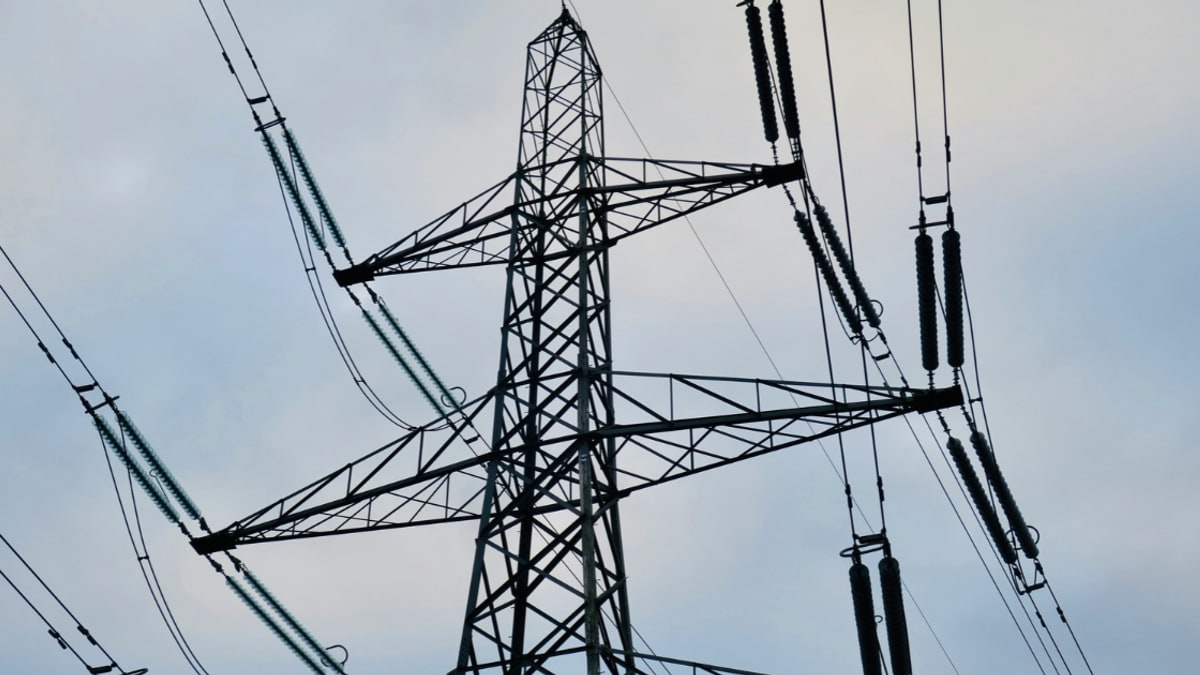
There is no national blackout planned in the UK on Thursday, 19 November. A post claiming one is fake, National Grid told the fact-checking charity Full Fact, which rated the claim false on 17 November.
“UK blackout hoax november 2026” was trending in Google searches in the UK on Thursday, as people who had seen the warning checked whether it was real. Many of our readers have family in Britain, so here is what happened.
What the fake warning said
The post, made to look like an official National Grid notice, said: “A major blackout is expected to affect large parts of the UK on Thursday, 19 November 2026 from 4:00 PM, due to a critical fault in the national grid.” It warned that homes, businesses and public services could lose power “for an extended period” and told people to keep a torch handy, charge their phones and keep fridge doors shut, according to Full Fact.
It was shared tens of thousands of times, Full Fact said, including thousands of times on Facebook and Instagram.
What National Grid said
A National Grid spokesperson told Full Fact: “There is no outage expected. Please disregard the post and report misinformation to social media platforms.” The company also said on its official social media channels that the post was false.
Full Fact found that the link printed on the fake notice led to a National Grid web page that does not work, one more sign it was made up.
How to spot the next one
- Check the source. Real power warnings come from National Grid, your local network operator or the Met Office, on their own websites and verified accounts, not from an unnamed graphic.
- Look at the detail. A precise date and time for a “critical fault” is a red flag: real faults are not announced days in advance.
- Don’t forward it. Report it to the platform instead, as National Grid asked.
The same trick turns up in Pakistan too, with fake “load-shedding schedules” and K-Electric or WAPDA notices on WhatsApp. The test is the same: if it is not on the company’s official page, treat it as fake.
National Grid’s own general advice, to keep a battery torch and radio at home in case of a power cut, still stands. It just has nothing to do with Thursday.