Daraxonrasib pancreatic cancer pill: what the new trial results show
Tumours shrank in 61% of patients and vanished on scans in 1 in 12 in a small trial of a daily pill. Here is what that means, and what it does not.
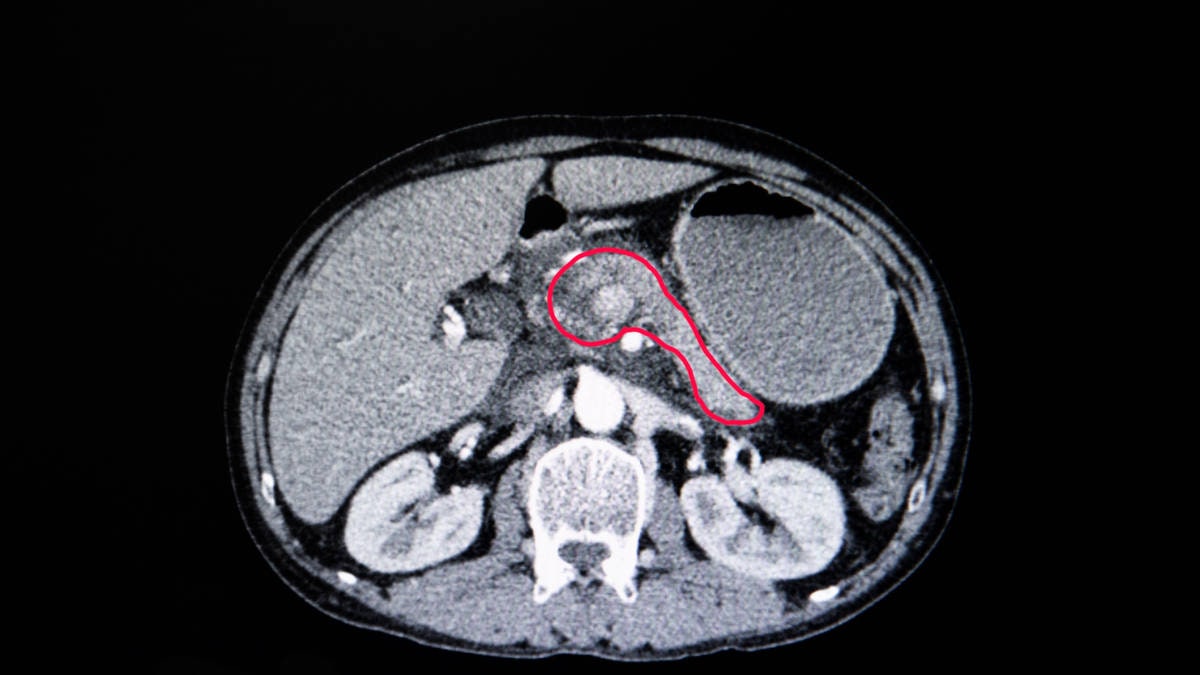
Daraxonrasib, a daily pill for pancreatic cancer, shrank tumours in about six in ten patients in a small trial when given with chemotherapy, and in about one in twelve the tumours could no longer be seen on scans. The results were presented at a cancer research meeting in Barcelona this week and set off a wave of “breakthrough” headlines in Britain, where it was among the top Google searches on Friday.
The numbers are real and doctors are excited. But the study was small and had no comparison group, so it cannot yet say the pill helps people live longer when added to first treatment.
What the trial found
The maker, the US company Revolution Medicines, presented the data at the EORTC-NCI-AACR (ENA) symposium in Barcelona, according to its statement on 19 November. The trial followed 61 people with pancreatic cancer that had spread, who had not been treated before. All took daraxonrasib (brand name RASONQUE) together with two standard chemotherapy drugs, gemcitabine and nab-paclitaxel.
- Tumours shrank by a meaningful amount in 60.7% of patients.
- In 8.2%, about one in twelve, tumours became undetectable on scans (a “complete response”).
- In 90.2%, the cancer at least stopped growing for a while.
- Half the patients went 12.8 months or more before their cancer got worse.
- 76.6% were alive after a year.
For comparison, advanced pancreatic cancer usually moves fast, and those one-year figures are much better than doctors normally see. That is why the reaction has been so strong.
How the pill works
About nine in ten pancreatic cancers are driven by faults in a family of genes called RAS, which act like a stuck accelerator telling cells to keep dividing. For decades RAS was called “undruggable”. Daraxonrasib blocks the switched-on form of several RAS proteins at once.
It is already approved in the United States and the European Union, but only for pancreatic cancer that has spread and was treated before, the company says. That approval followed a larger, randomised phase 3 trial (RASolute 302) in which people on the pill lived a median 13.2 months against 6.7 months on chemotherapy, results published in the New England Journal of Medicine earlier this year.
The caution
This week’s results are about using the pill first, from day one. Because all 61 patients got the pill plus chemotherapy, nobody can say yet how much of the benefit came from the pill. A bigger randomised trial, RASolute 303, is running to answer that.
The UK charity Pancreatic Cancer UK said the study was small and at an early stage, according to UK media reports, and doctors have warned it should not be called a cure. Side effects are common: the US label lists skin rashes in 86% of patients, mouth sores in 57% and diarrhoea in 63%, with rare serious lung and bowel problems.
In Britain the drug is not licensed and not available on the NHS; patients can only get it through trials.
Why it matters in Pakistan
Pancreatic cancer is often found late in Pakistan too, when surgery is no longer possible. Families searching for this pill should know it is a prescription cancer drug that needs a specialist, and that new, expensive cancer medicines reach Pakistan slowly. Anyone offered “daraxonrasib” online or through informal sellers should be careful: talk to an oncologist at a recognised cancer hospital first.
The next big moment is the RASolute 303 result, which will show whether the pill should be part of first treatment for everyone.