Bangladesh protests over Sheikh Hasina's return: 2 killed, troops deployed
Bangladesh has deployed border guards in seven districts as Awami League protests over Sheikh Hasina's planned December return turn violent. What is happening.
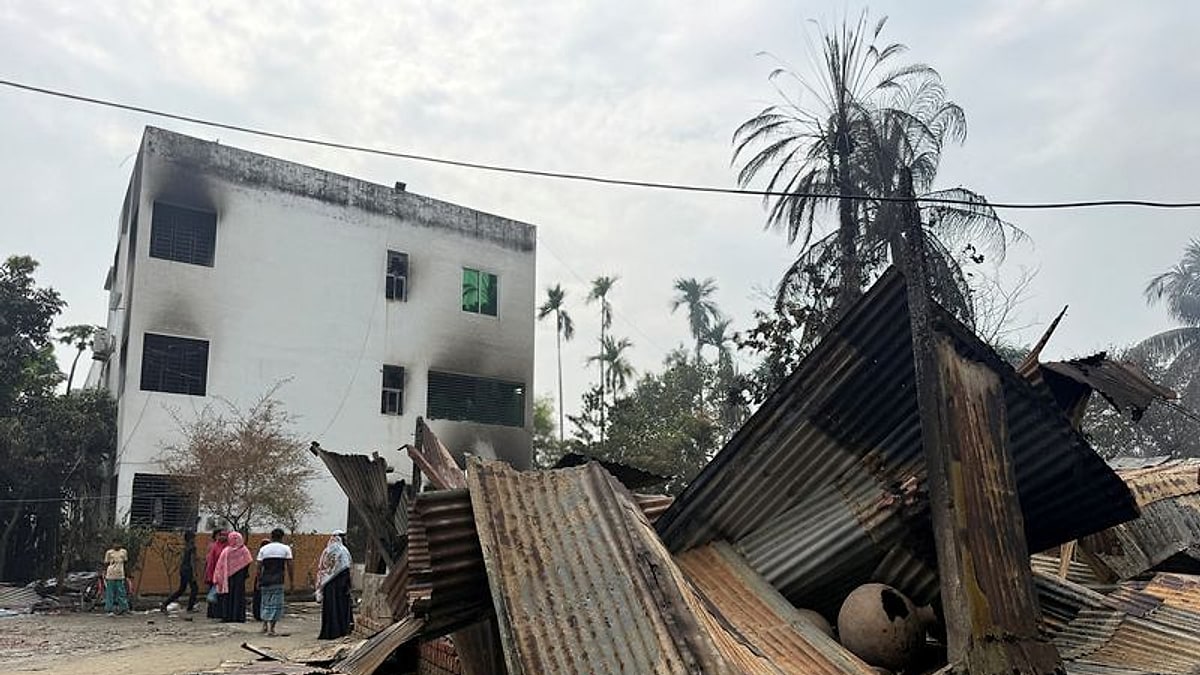
Bangladesh is facing its worst unrest in months as supporters of exiled former prime minister Sheikh Hasina press for her return. Police said two members of the ruling Bangladesh Nationalist Party (BNP) were killed on Wednesday night, 18 November, and the houses of two BNP lawmakers in Hasina’s home district of Gopalganj were vandalised and set on fire, Reuters reported.
Her party, the Awami League, called a nationwide lockdown on Thursday, 19 November, to end a week of rallies, and parts of the country shut down.
Why the protests started
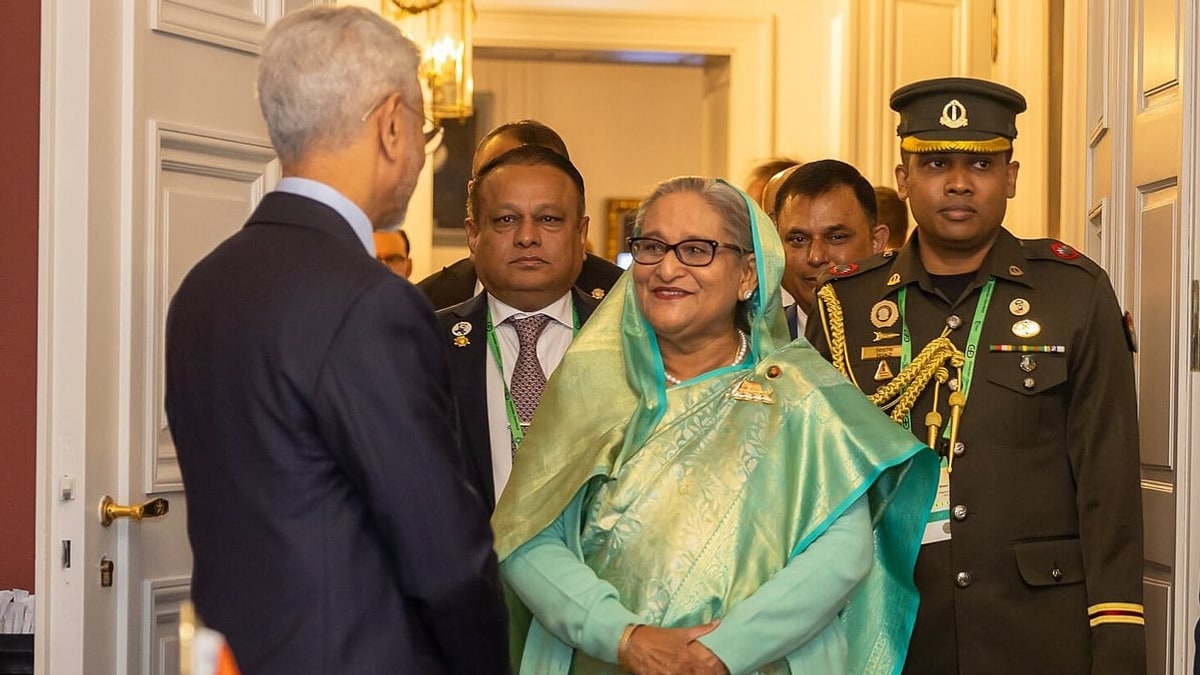
Hasina has lived in India since she fled Dhaka in August 2024, after weeks of student-led protests against her government. She has applied for a new passport and national identity card, saying she plans to return to Bangladesh in December. The government rejected the request, and the Awami League’s rallies began.
She returns, if she does, to a death sentence. A Bangladeshi tribunal sentenced her to death in absentia in November 2025 over the crackdown on the 2024 protests, which the UN estimates killed up to 1,400 people. She denies the charges.
How violent has it become?
In the last 10 days, police have reported dozens of crude bomb blasts and vehicles set on fire in at least 28 districts, according to Reuters. At least 37 branches and offices of Grameen Bank, founded by former interim leader Muhammad Yunus, have been attacked or targeted by arson since 10 November, and Yunus’s ancestral home in Chattogram was set on fire.
The government has deployed 97 platoons of the paramilitary Border Guard Bangladesh across seven districts, including Gopalganj and Faridpur. Police have also detained former education minister Nurul Islam Nahid, who faces charges over killings during the 2024 protests.
Prime Minister blames India
Prime Minister Tarique Rahman, who leads the BNP government, has blamed India for the unrest, according to US News and Reuters. India Today reported that he made a veiled “masters” dig at India while blaming the Hasina camp for the violence.
Why it matters to Pakistan
Bangladesh’s turn away from India since 2024 has brought Dhaka and Islamabad closer, with more trade and official visits. Instability there, and a sharper Bangladesh-India quarrel, affects that new relationship and the wider region. Pakistani exporters, especially in textiles, also compete directly with Bangladesh, so long shutdowns there ripple into orders.
What happens next
The Awami League has not said whether it will call more lockdowns. All eyes are on December, and on whether Hasina actually tries to travel home.