ICJ Rohingya ruling: Myanmar committed genocide, world court says 9-6
The UN's top court found Myanmar responsible for genocide against the Rohingya, in a case brought by Gambia for the OIC. What the judges found and what's next.
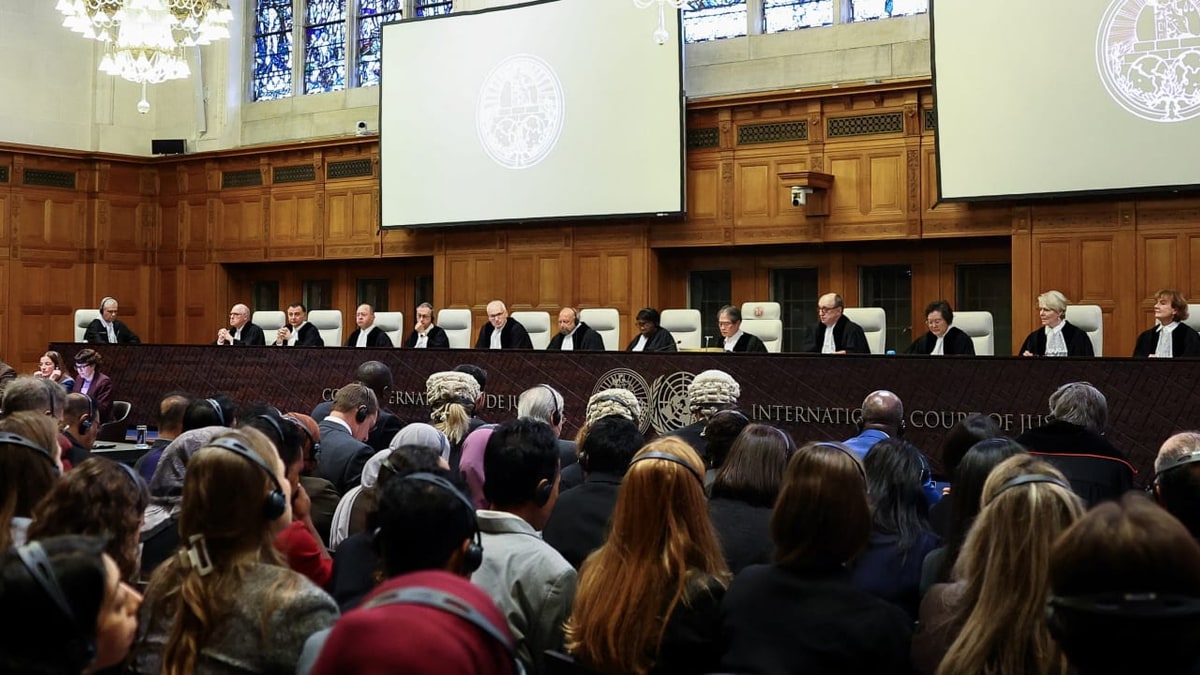
The International Court of Justice ruled on Thursday, 19 November, that Myanmar committed genocide against the Rohingya, the first time the UN’s top court has found a state responsible for genocide in a case brought on behalf of the Muslim world. The vote was 9 to 6, Al Jazeera reported.
What the court found
Reading the judgment in The Hague, ICJ President Yuji Iwasawa said Myanmar was responsible for genocide in northern Rakhine state, in breach of the 1948 Genocide Convention. The court said the “only reasonable inference” from the evidence of widespread atrocities by Myanmar’s security forces was that they meant to destroy a “substantial part” of the Rohingya, according to the Jerusalem Post and Al Jazeera.
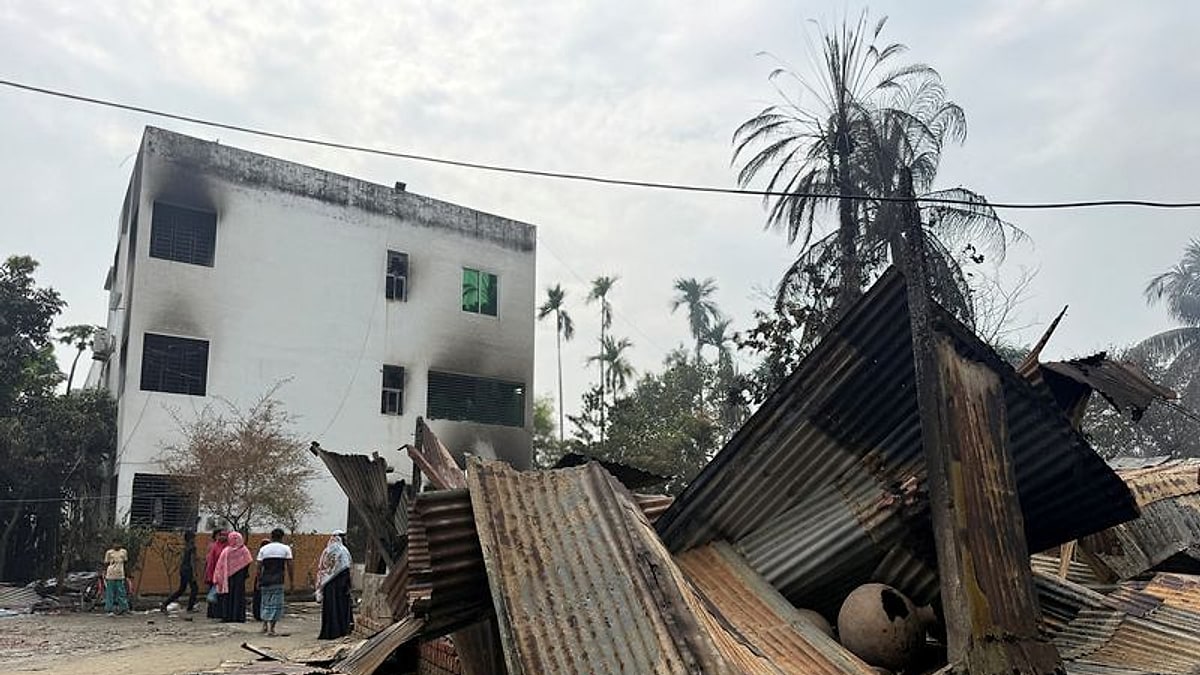
The judges also found that Myanmar failed in its duty to prevent genocide. The court said evidence showed Myanmar’s forces killed about 10,000 Rohingya, Al Jazeera reported. Around 700,000 fled to Bangladesh during the 2017 military crackdown, and most are still in camps in Cox’s Bazar.
Myanmar has always denied genocide. It argued that its operations were a response to attacks on police posts by the Arakan Rohingya Salvation Army (ARSA).
A case brought for the OIC
Gambia, a small West African country, filed the case on 11 November 2019 on behalf of the 57-member Organisation of Islamic Cooperation, which includes Pakistan. Gambia asked the court to order full citizenship and a right of return for the Rohingya. The reports we read did not yet say what the court ordered on those points, so we will update this story when the full judgment is published.
Why it matters
A 9-6 vote shows how divided the judges were, but the finding stands: ICJ rulings are final and binding, though the court has no police to enforce them. It can be taken to the UN Security Council, where China and Russia have shielded Myanmar’s military before.
For Pakistan, the ruling is a win for a cause it has backed through the OIC for years. Thousands of Rohingya also live in Karachi, many of them without papers since they arrived decades ago.
What to watch
The full written judgment, any orders on reparations and return, and how Myanmar’s military government and Bangladesh respond.