China trade surplus tops $1 trillion as October exports jump 35.2%
China's surplus for the year passed $1 trillion again as AI hardware exports boomed, yet imports grew even faster. What the numbers say and why Pakistan cares.
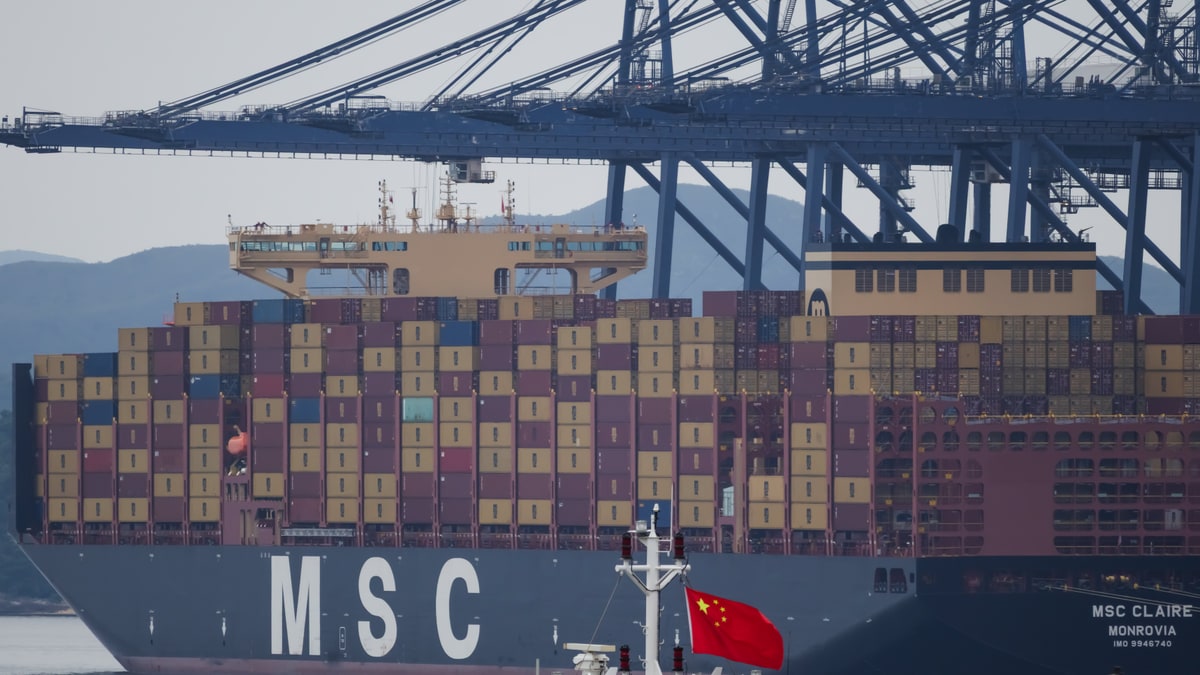
China’s trade surplus for 2026 has passed $1 trillion with two months still to go, after customs data released on Tuesday, 10 November (Beijing time), showed exports in October up 35.2% from a year earlier. It is the second year in a row China has crossed that line.
The twist is in the other column: imports rose even faster, by 41.6%, so the surplus for October alone was the smallest since April.
The numbers, simply
- Exports: up 35.2% year on year, ahead of the 33.5% that economists polled by Reuters expected, and a little slower than September’s 36.3%.
- Imports: up 41.6%, against a forecast of about 32% and up from 31% in September.
- October surplus: $105.3 billion, the lowest since April, according to LSEG data cited by CNBC. In September it was about $133.5 billion.
- January to October: a surplus of $1.04 trillion. For all of 2025 the record was $1.2 trillion.
What is driving it?
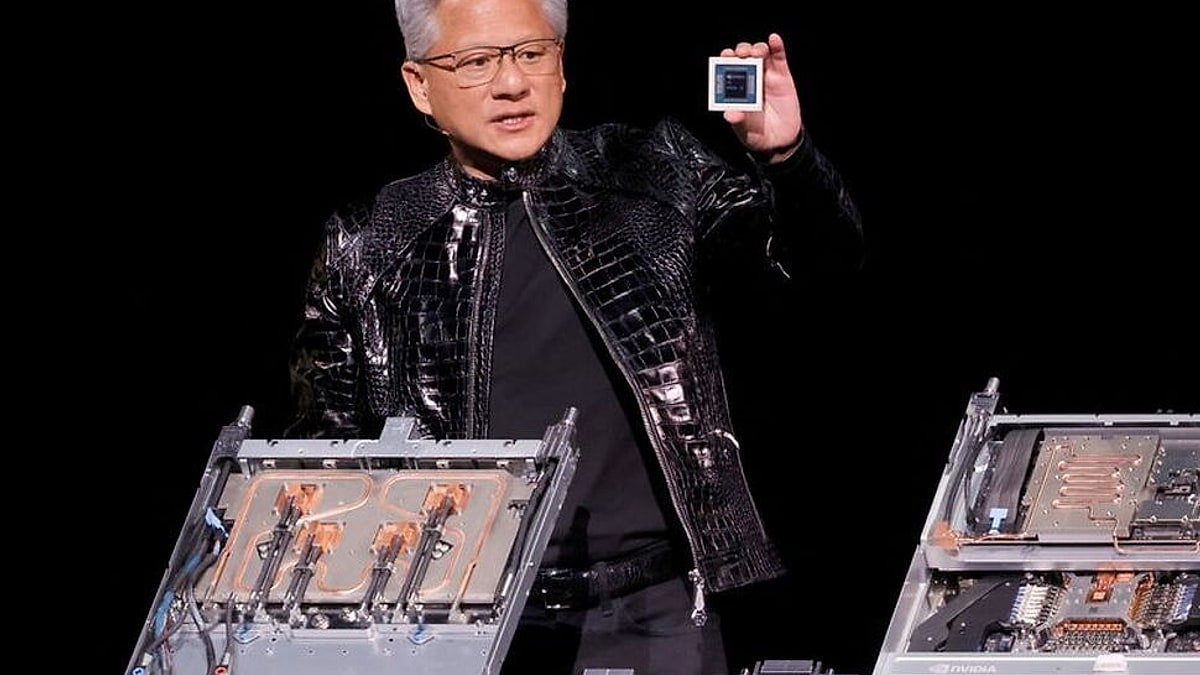
Chips and other hardware for artificial intelligence. Reuters described the export growth as an extension of a boom in AI-related shipments, as data centres around the world buy servers and components. CNBC noted the flip side: if the global AI build-out slows, that momentum and exporters’ profits could take a hit.
Not everything looks strong. China’s official factory survey (PMI) unexpectedly shrank in October as overseas orders cooled, and a private survey, the China Beige Book, found new orders slowing. Shoppers at home are still cautious: retail sales grew only 1.1% in September, which is why trading partners keep asking Beijing to lift spending at home rather than sell more abroad.
The politics: Washington and Brussels
The US and China agreed in September to extend their trade truce to January, and Presidents Xi Jinping and Donald Trump are expected to meet at the APEC summit in Shenzhen next week, CNBC reported.
Europe is pushing harder. A deal taking effect on 1 December caps Chinese hybrid car imports to the EU at 350,000 a year, above last year’s 300,000 but well below the recent pace of about 800,000 a year. Brad Setser of the US Council on Foreign Relations said Europe “still is a long way from a coherent trade and industrial policy” on cars.
Why it matters in Pakistan
China is Pakistan’s biggest supplier of goods, from solar panels and phones to machinery and electric vehicles. A China that keeps exporting at this pace, with weak demand at home, tends to push prices of these goods down, which helps Pakistani buyers but squeezes local manufacturers who compete with Chinese imports.
The rising imports number is also worth noticing: China is buying more from the world. Pakistan has long tried to sell more to China, from rice and seafood to sesame and copper, to narrow its own large deficit with Beijing.
The next marker is the Xi-Trump meeting at APEC in Shenzhen, and whether the trade truce that runs out in January is extended again.