Jensen Huang Chinese spy report: what is alleged, and what Nvidia says
US intelligence reportedly suspects a Megaspeed executive who met Nvidia's CEO was a Chinese asset. Nvidia calls it normal business. What it means for chips.
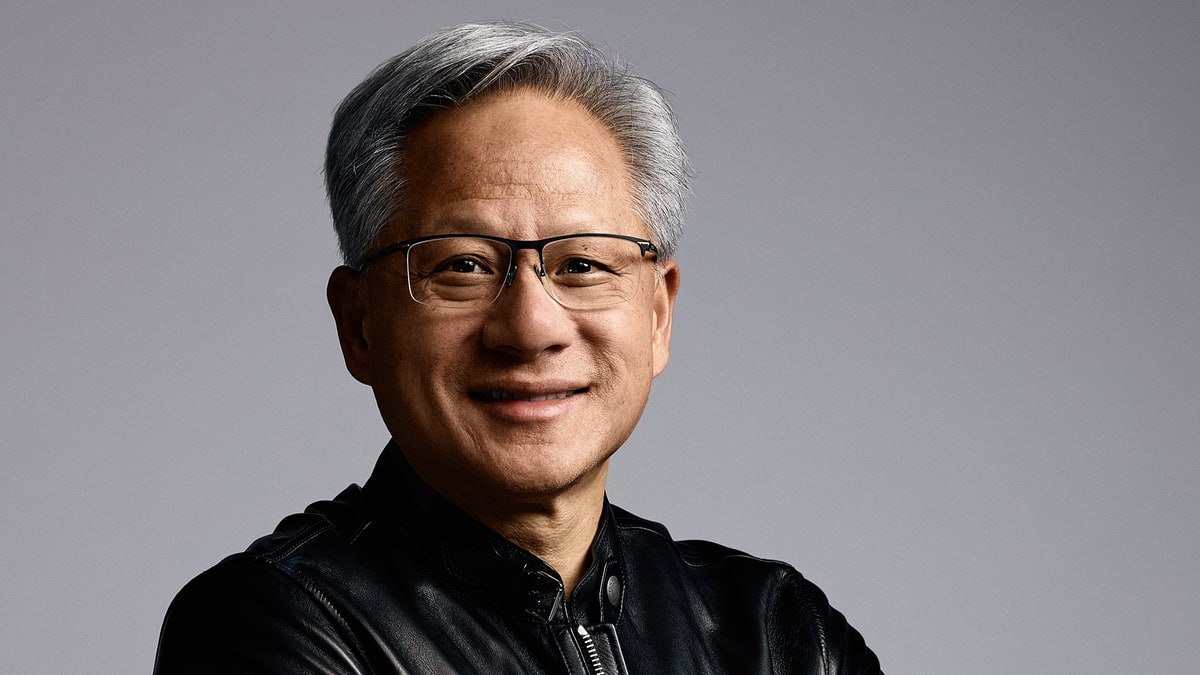
US intelligence agencies came to suspect that an executive at Megaspeed, a Singapore-based data centre company and Nvidia customer, was working for Chinese intelligence while she built ties with Nvidia chief executive Jensen Huang, according to media reports on Thursday, 29 October. Nvidia says Huang’s meetings with her were ordinary business, and nothing reported so far suggests he knew of any such role or shared anything secret.
The story hit as AI stocks were already under pressure, and it lands right in the middle of the US-China fight over who gets the world’s most powerful AI chips.
What is being alleged
The reports, which cite a classified US investigation, centre on Alice Huang, also known as Huang Le. She was briefly listed as Megaspeed’s managing director after the company launched in 2023, and her name was later removed from its corporate papers.
According to the reports:
- US agencies concluded she was a Chinese intelligence asset and kept her under surveillance.
- Through that surveillance they picked up her contact with Jensen Huang, including socialising at a tech trade show event in Taipei in mid-2024. What they discussed has not been made public.
- Officials worried she could learn sensitive things about Nvidia or about Washington’s China chip policy.
- President Donald Trump was briefed about a year ago and did not act. Jensen Huang has reportedly never been given a formal warning, possibly so she would not learn she was being watched.
None of this has been confirmed by the US government. The White House and the CIA had not commented when the reports came out.
The chip-smuggling question behind it
Megaspeed was already under the microscope. In late 2024, a US Commerce Department official visiting its data centre in Malaysia saw Nvidia equipment still sitting in boxes, which raised suspicion that the chips were meant for somewhere else, possibly China, which is barred from buying the most advanced ones.
Trade records show its Malaysian affiliate bought at least $4.8 billion worth of AI equipment containing Nvidia chips between June 2024 and February 2026, according to media reports. US officials suspect the company helped Chinese firms reach that computing power through data centres in Southeast Asia.
What Nvidia, Megaspeed and China say
Nvidia spokesman John Rizzo said Huang’s interactions with Alice Huang were “not unusual or unexpected” and that meeting customers is part of a CEO’s job. He said customers such as Megaspeed receive no sensitive trade secrets or national security information, and that the diversion claims were “thoroughly investigated and debunked last year”. Jensen Huang himself described the dealings as “normal” and said Megaspeed had not sent Nvidia chips to China.
Megaspeed denies wrongdoing and says it is “committed to getting to the facts” through a thorough internal investigation. The Chinese embassy in Washington, through spokesperson Liu Chang, called the findings “groundless smears and slanders”.
Our take: why Pakistan should care
Strip away the spy-thriller headline and this is about one thing: control of AI chips. Washington lets some Nvidia chips go to China and blocks others, and countries in between, like Malaysia and Singapore, have become the pressure point. When smuggling fears rise, the usual response is tighter rules for everyone outside the closest US allies.
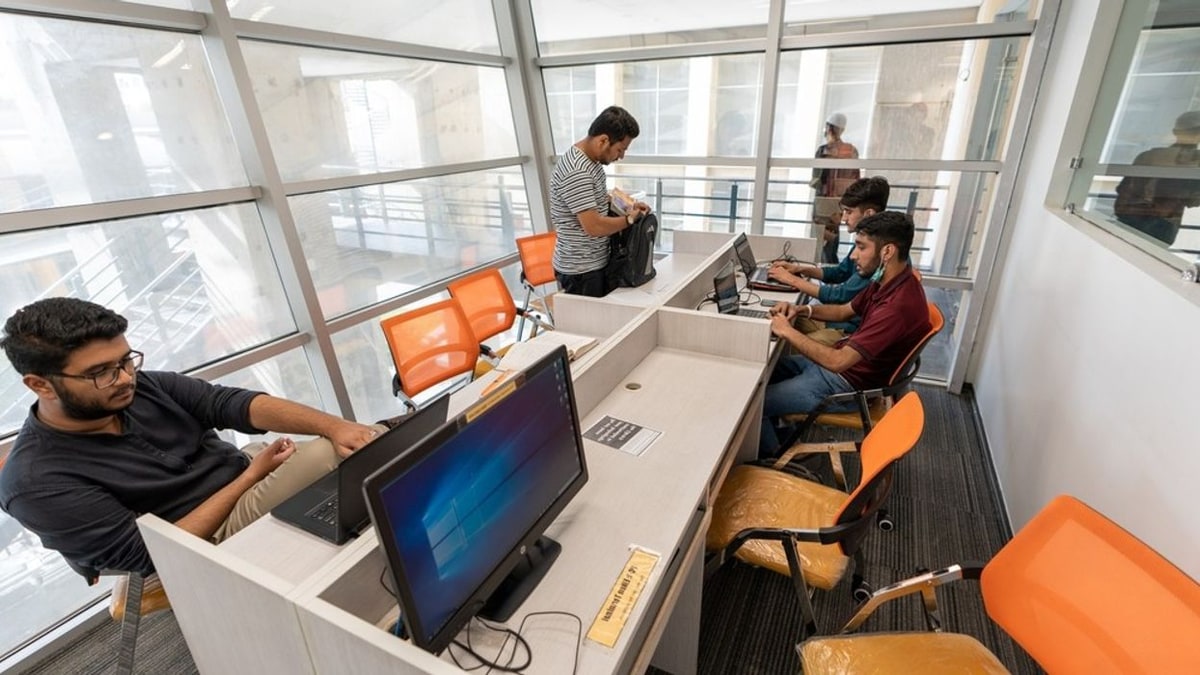
That matters for Pakistan, which is trying to build data centres and sell AI and IT services abroad. Tougher licensing or more paperwork on chip sales to the region would make GPUs slower and costlier to get for Pakistani cloud firms, universities and startups. It is too early to say rules will change. Watch for any statement from the US Commerce Department, whether lawmakers in Washington demand hearings, and how Singapore and Malaysia respond.