Jensen Huang resignation explained: spy probe, $1.6tn slide, what next
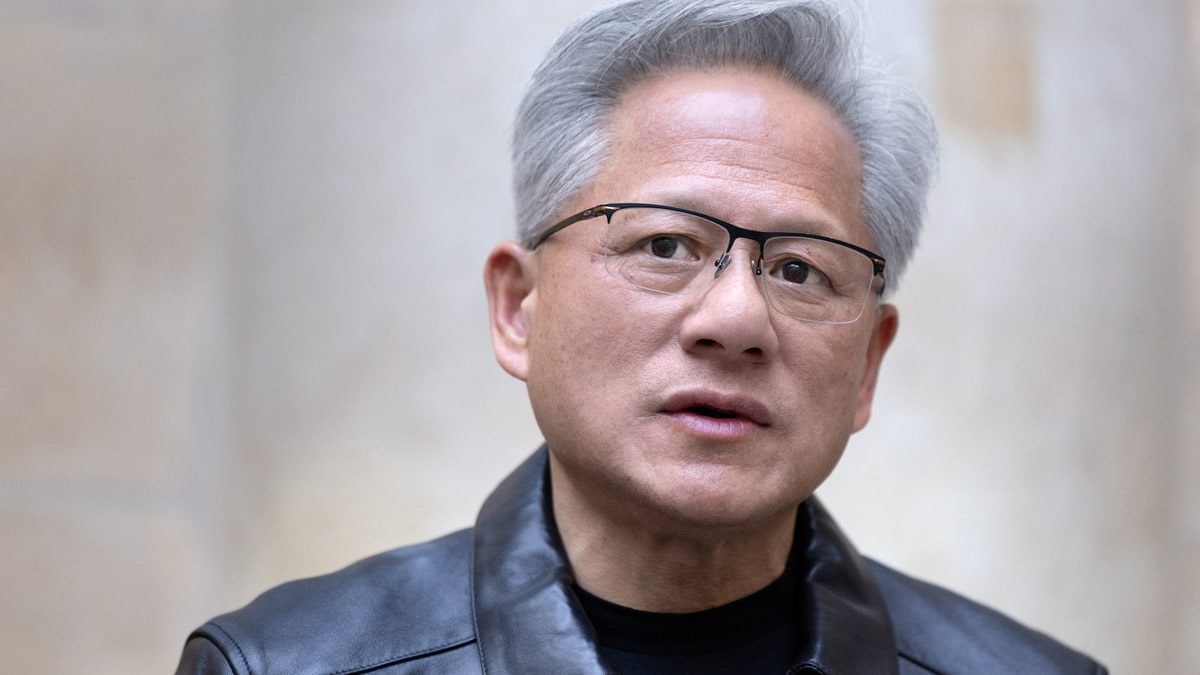
A day after Jensen Huang quit, Nvidia is on its worst losing run since 2012, Congress wants answers and a US cabinet secretary is under fire. The full story.
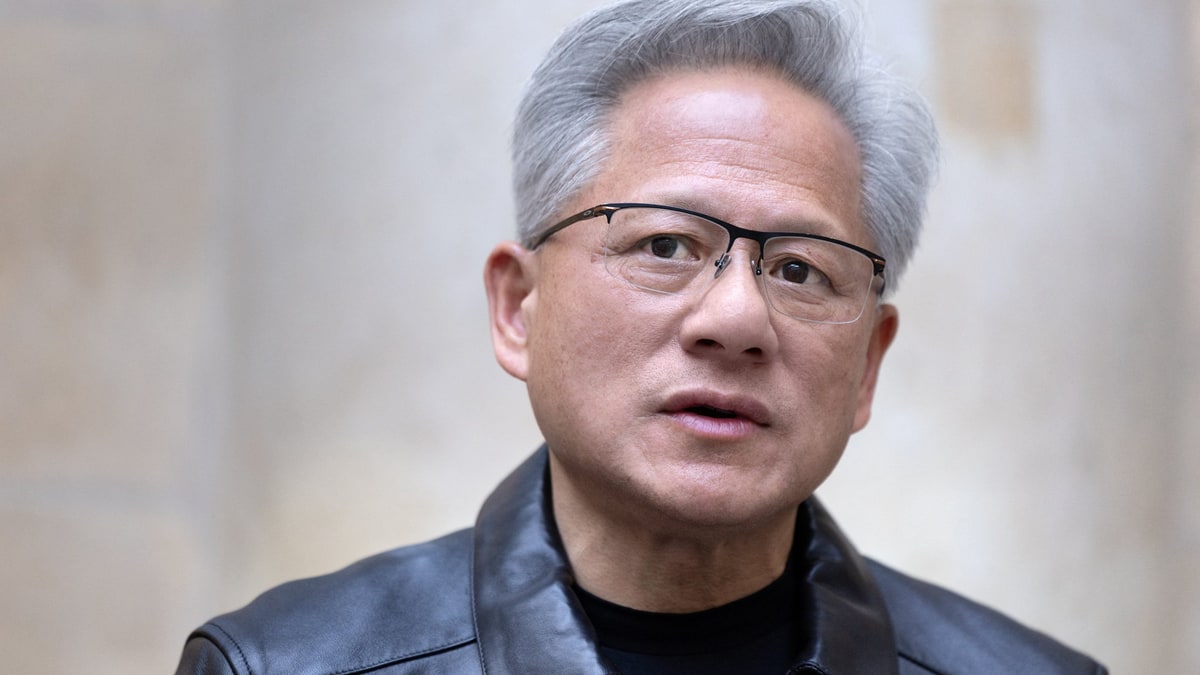
A day after Jensen Huang stepped down, the fallout has spread well beyond Nvidia. New since our first report: the stock is heading for its longest run of weekly losses since 2012, a US cabinet secretary is under pressure over Nvidia’s chip sales to China, and Huang has been asked to brief Congress. Here is the whole story in one place.
What did Nvidia announce?
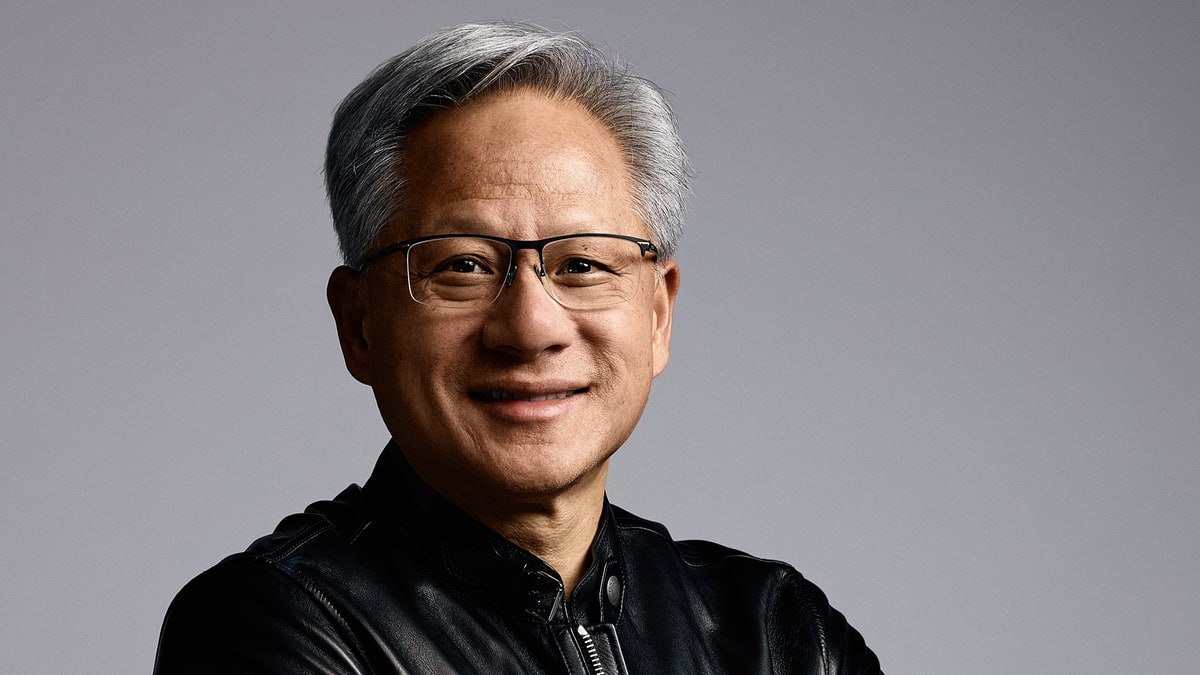
In a filing to the US Securities and Exchange Commission on Thursday, 12 November, Nvidia’s board said Huang had resigned as president, chief executive and board member, effective immediately. Chief financial officer Colette Kress is interim CEO while the board searches for a permanent one. Harvey C. Jones, a long-time director, becomes the company’s first ever board chair, so running the company and overseeing it are now in separate hands.
The filing gave no reason. The reason came from a week of reporting.
Why did Jensen Huang resign?
The Financial Times first reported that Huang had a relationship with Alice Huang (no relation), an executive at Megaspeed, a Singapore company that bought Nvidia chips and that US officials suspect of spying for China. The Washington Post and others reported the same suspicion, citing US officials. Megaspeed and linked firms are under US criminal investigation over claims that they smuggled American chips into China, and Singapore has barred Alice Huang from returning while it looks into alleged false declarations about server purchases. She has not commented publicly.
Nvidia’s board opened an independent investigation on 8 November and said it was examining whether Huang had been “the target of a foreign intelligence effort”, Al Jazeera reported. The board also said it had no reason to believe US national security or company secrets had been compromised. Huang admitted the affair in a message to staff, apologised and said he would cooperate.
On Wednesday the New York Times reported a second relationship, with a senior Nvidia executive. Hours later he was gone.
How badly has Nvidia’s stock been hit?
The shares fell close to 10% in early trading on Thursday before closing down 4.3%, CNBC reported. They are down about 11% this week and on course for a sixth straight weekly fall, the longest streak since 2012. Since the October peak the company has lost roughly 29% of its value, about $1.6 trillion, and it has slipped behind Apple in market value. Reuters, measuring from 6 October, puts the loss at $1.8 trillion.
The slide began before the scandal, with doubts about whether the hundreds of billions being spent on AI data centres will pay off, and worries about higher interest rates after the US midterms. The resignation made it worse. Most Wall Street analysts still rate the stock a buy: 78 of 82 tracked by Bloomberg, with an average target of $320.
Washington is now involved
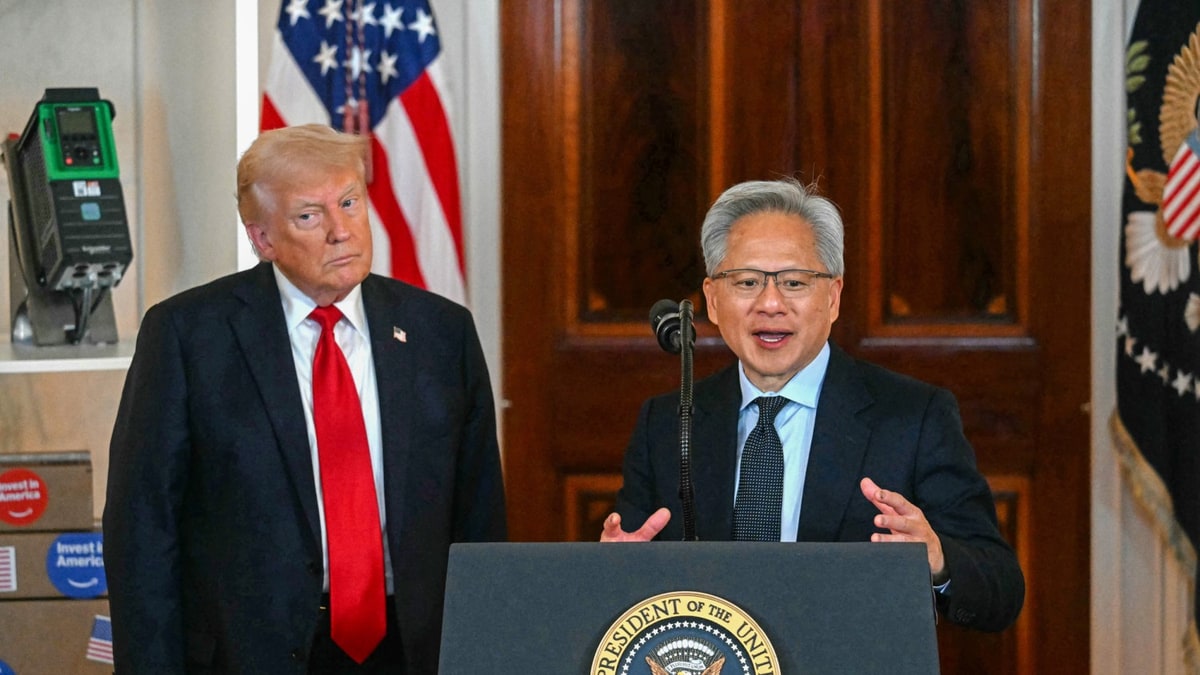
Reuters reported on Friday that senior White House officials are discussing whether Commerce Secretary Howard Lutnick should be pushed out over how his department handled Nvidia’s exports to China, including why Megaspeed was never put on the US trade blacklist. A White House official said President Trump “maintains complete confidence” in him. Senators Elizabeth Warren and Chris Coons have asked officials to keep all records on Nvidia’s exports, and CNN reported that Huang has been asked to brief Congress behind closed doors. A shareholder lawsuit filed in California on Monday says Nvidia and Huang misled investors when the first reports came out.
Why it matters in Pakistan
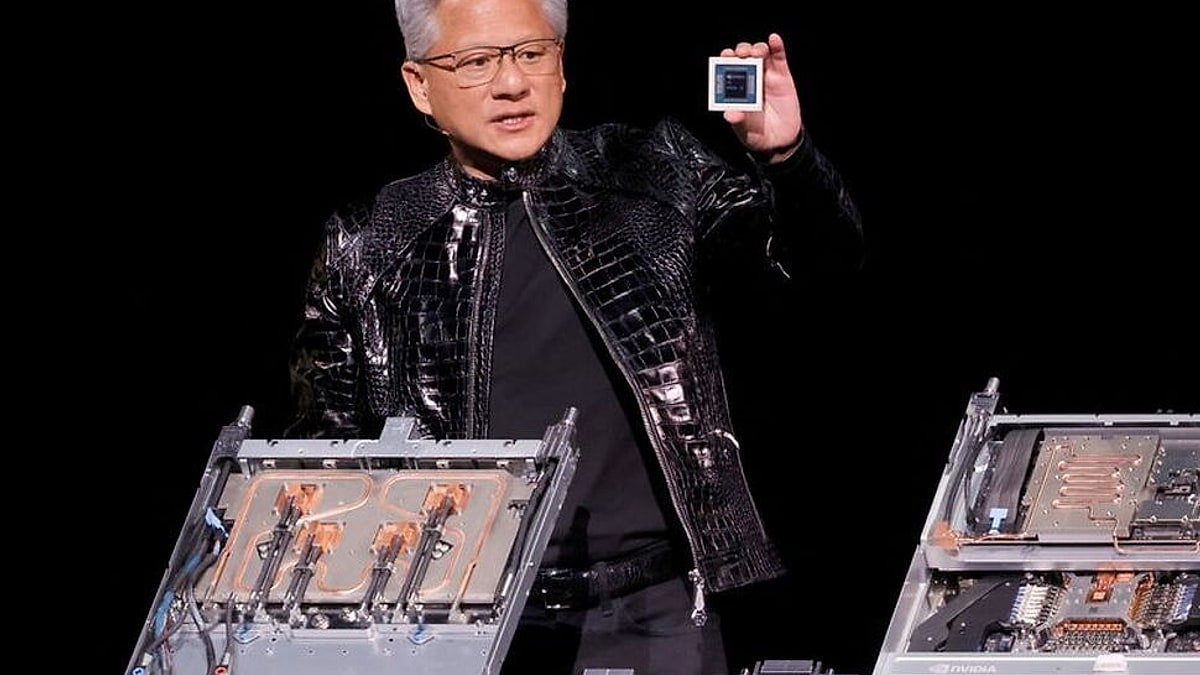
Nvidia’s chips run almost every big AI model, from ChatGPT to Claude. Every Pakistani freelancer using AI tools, every software house renting cloud GPUs and the government’s own data-centre plans depend on that supply. A leadership crisis plus tighter US export rules could make those chips slower to get and dearer. The selloff also spilled into crypto: Bitcoin fell below $72,000 on Thursday as Nvidia dropped, and below $69,000 on Friday.
What happens next
The first big test is Tuesday, 17 November, when Nvidia reports quarterly results with Kress in charge. Investors will want to hear that orders from Microsoft, Google, Amazon and Meta have not slowed, and when a permanent CEO will be named. Earlier reports named Nvidia’s Ian Buck and Arm chief Rene Haas as possible picks; the board has not said who it is considering.