Can't sleep, mind racing? Try 'thought parking', says a therapist
Therapist Emma McAdam suggests 'thought parking': write your worries down so your brain knows they can wait till morning. Why it works and how to try it.


If you lie in bed and your mind keeps running through tomorrow’s tasks, bills or that one conversation, therapist Emma McAdam has a simple suggestion: park the thoughts on paper. Research and NHS advice both back the idea that writing worries down before bed can help you fall asleep faster.
The short version
- Keep a notebook and pen next to your bed.
- When a worry keeps looping, write it down in a line or two.
- Add the next small step and when you will deal with it (“call the bank, 11 am”).
- Tell yourself it is parked until morning, then go back to resting.
- A five-minute to-do list before lights out works the same way.
What Emma McAdam says
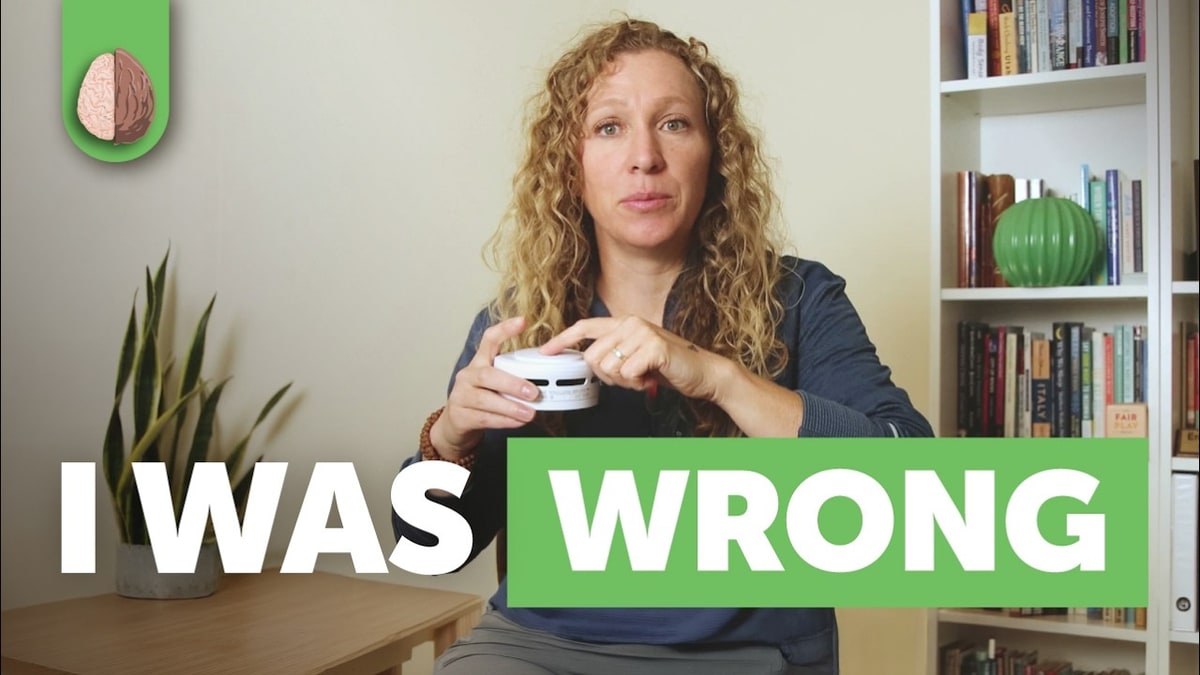
Emma McAdam is a licensed marriage and family therapist in the US who runs the Therapy in a Nutshell channel. In a short video posted on Tuesday, 17 November, she calls the technique “Thought Parking” for nights when “your brain just won’t stop”.
The idea, in her words, is that it “helps tell your brain that you are listening and that those worries can wait”. A racing mind at night is often your brain trying not to forget something. Once the worry is written down somewhere safe, your brain has less reason to keep repeating it.
She keeps it short and practical, and asks viewers to try it the same night.
Our take: does it work?
This is one of the better-supported sleep tips around. In a 2018 study at Baylor University in the US, psychologist Michael Scullin’s team had 57 students spend a night in a sleep lab. Those who spent five minutes writing a to-do list for the coming days fell asleep about nine minutes faster than those who wrote about tasks they had already finished. The more specific the list, the faster they fell asleep.
The study was small, involved students and lasted one night, so it is a promising sign rather than proof. But the NHS gives the same advice: its Every Mind Matters guide says writing down worries, or making a list of what you need to do the next day, can help clear your mind before bed.
It suits most people whose sleeplessness comes from busy thoughts: students before exams, people juggling work and family, anyone lying awake over money. It will not fix sleep that is broken by pain, a snoring partner, a crying baby or load-shedding switching the fan off at 2 am. And if racing thoughts come with constant low mood, panic or weeks of poor sleep, that is a reason to see a doctor rather than try another trick.
In joint family homes where the lights stay on late, a small notebook works better than your phone. Phone notes come with notifications and a screen that keeps you awake.
Try this today
- Put a notebook and pen on your bedside table tonight.
- Ten minutes before sleeping, write down three things you have to do tomorrow, as specifically as you can.
- If a new worry wakes you, write one line and the time you will deal with it, then put the pen down.
- Keep your phone out of reach so you are not tempted to scroll instead.
This is general information, not medical advice. If sleep problems last for weeks or affect your day, speak to a doctor.