General Abdul Waheed Kakar passes away: former army chief behind the 1993 'Kakar formula'
Former army chief Gen (retd) Abdul Waheed Kakar died in Rawalpindi on Monday, ISPR said. Who he was, the 1993 crisis he ended and the tributes so far.
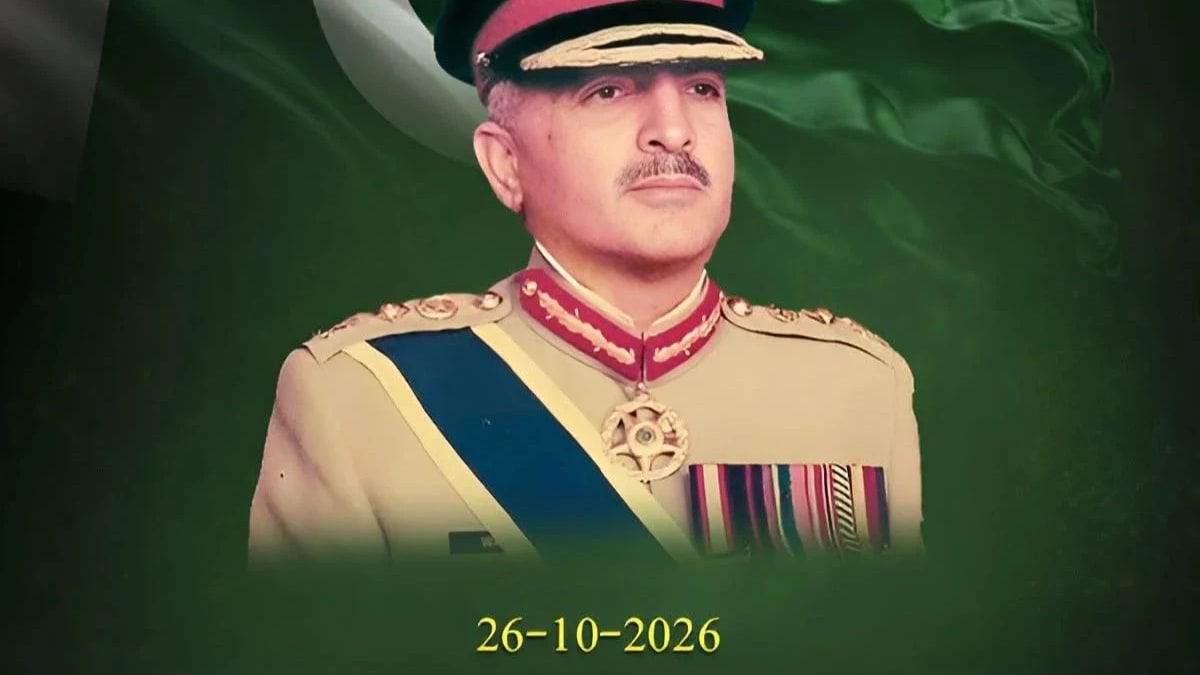
General (retd) Abdul Waheed Kakar, Pakistan’s army chief from 1993 to 1996, died in Rawalpindi on Monday, 26 October, the military’s media wing ISPR announced. He was 89, according to his Wikipedia biography; ISPR did not give a cause of death, and funeral details had not been announced at the time of writing.
ISPR said Field Marshal Asim Munir and all ranks of the army paid tribute to his “distinguished military career, leadership and invaluable services” and shared the grief of his family.
Who was General Abdul Waheed Kakar?
Kakar was born in Zhob, Balochistan, in 1937 and was commissioned into the Frontier Force Regiment in 1959. He fought in the 1965 and 1971 wars and later commanded XII Corps in Quetta.
He became the fifth Chief of Army Staff on 12 January 1993, after the sudden death of General Asif Nawaz Janjua. The Express Tribune notes he was appointed under then prime minister Nawaz Sharif; his biography records that President Ghulam Ishaq Khan made the choice, and that it passed over several more senior generals.
What was the ‘Kakar formula’?
The phrase people still search is the “Kakar formula”. In 1993 the president and the prime minister were locked in a power struggle that had paralysed government. Kakar pressed both Ghulam Ishaq Khan and Nawaz Sharif to resign, Dawn recalls, and both did. An interim set-up held fresh elections that October, and Benazir Bhutto returned as prime minister.
It is remembered as the army stepping in to break a deadlock without taking power itself, which is why the episode comes up whenever civil-military relations are debated. Historians still argue over how much pressure was applied and whether it set a precedent.
Retirement on time
Kakar completed his three-year term and retired in January 1996, at a time when extensions were becoming common. He then lived quietly in Rawalpindi and rarely spoke in public, which is partly why many younger Pakistanis had not heard his name until today.
Tributes from across politics
President Asif Ali Zardari and Prime Minister Shehbaz Sharif both offered condolences, with the prime minister praising his services to the armed forces. Deputy Prime Minister Ishaq Dar said he was “deeply saddened”. PTI chairman Barrister Gohar Ali Khan expressed “profound grief”, according to The Express Tribune, and Parliamentary Affairs Minister Tariq Fazal Chaudhry called the death a great loss for the country.
ISPR is expected to announce the time and place of the funeral prayers.
Sources
This story was researched and drafted with AI assistance, then checked and edited by our editor before publishing.