ECP AI rules: deepfake ban and AI labels for parties, media and influencers proposed
The ECP wants AI campaign content labelled, cloned-voice robocalls flagged and fake engagement bots banned. What the draft says and how to comment.
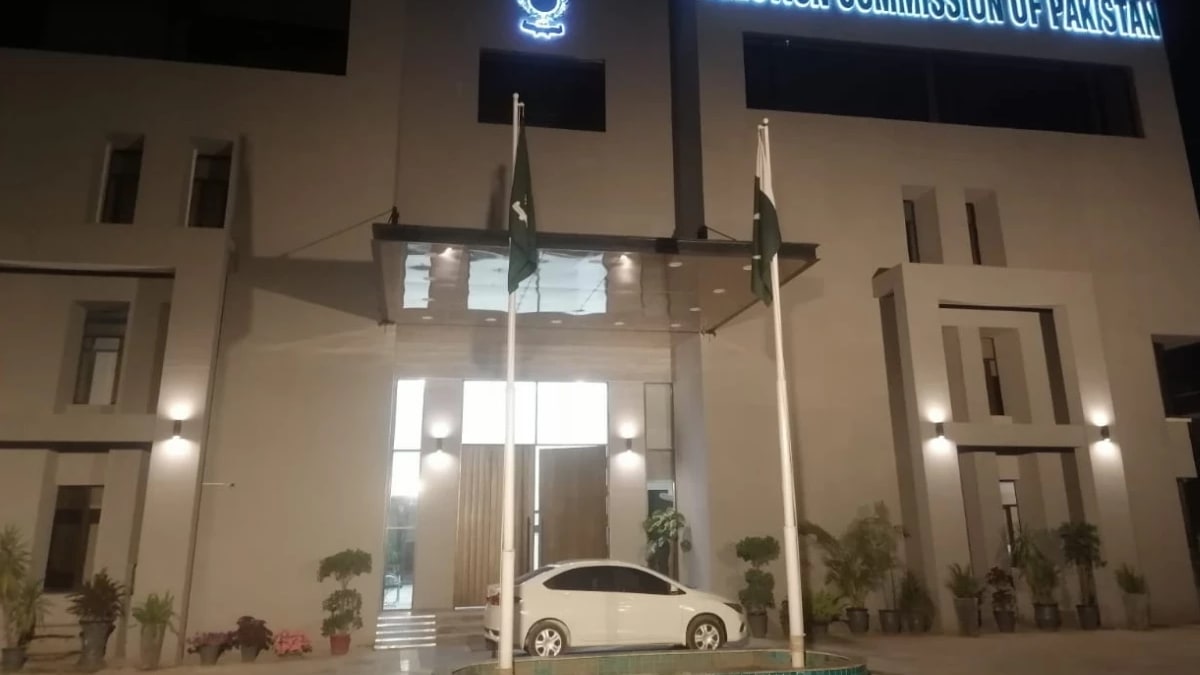
The Election Commission of Pakistan wants every piece of AI-made campaign material labelled, and deceptive deepfakes of candidates, judges, officials and the armed forces banned. The draft changes to its election codes of conduct were issued on Friday, 23 October, and the public has until 20 November to send feedback, Dawn and The Express Tribune reported.
The Tribune counts 12 amendments across the 2023 codes for political parties and candidates, media and election observers, though its own breakdown by group adds up to 13. Either way, it is the first time the ECP has tried to write AI into the rules for an election.
What parties and candidates would have to do
- Label all AI-generated campaign material, including deepfake images, audio, video and synthetic voices.
- Robocalls and voter messages using a cloned voice must say they are AI-generated at the very start.
- No bots or fake accounts to inflate likes, shares or followers.
- Keep a log of all AI-assisted campaign content and hand it to the ECP on request.
- No deepfakes meant to deceive voters, and no false, derogatory or defamatory deepfakes of candidates, party leaders, supporters, election officials, the judiciary, state functionaries or the armed forces.
What media and influencers would have to do
Dawn reports the media rules would also cover social media influencers. Outlets would have to “clearly disclose when content generated or modified through AI is broadcast, published or released,” in the Tribune’s quote from the draft. They can still use AI to translate, prepare or analyse election content, but they stay legally responsible for its accuracy, and must remove or relabel misleading content when told to.
Observers and enforcement
Election observers would have to report AI deepfakes and disinformation to the ECP promptly, without spreading them, and could not use AI to create or touch up their own photos, videos or reports.
Monitoring would fall to PEMRA, the new Social Media Protection and Regulatory Authority and the National Cyber Crime Investigation Agency, which would report violations to the ECP. According to Dawn, the commission could order immediate takedowns or relabelling. Neither paper reports any specific fines.
Our take
Labelling AI content is a sensible minimum, and the 2024 campaign showed why, when PTI used an AI-generated voice of jailed Imran Khan for speeches. The voice-clone robocall rule is the most practical piece, because those calls are cheap and convincing, especially for older voters.
The weak spot is enforcement and wording. “Derogatory” deepfakes of state functionaries and the armed forces is broad enough to catch satire and political comedy, and enforcement runs through agencies whose role in policing online speech is already contested. Clear definitions and a fast appeal route would make the rules easier to trust.
How to have your say
The draft is open for comments from parties, media, civil society and the public until 20 November, according to both papers. If you make political content, especially AI edits, memes or voice videos, this is the time to read it and respond.
Sources
This story was researched and drafted with AI assistance, then checked and edited by our editor before publishing.