SBP interest rate today: most expect a hike to 12%, and what it means for your loans and savings
The State Bank decides on rates today. Analysts expect a rise from 11.5% to 12% as oil pushes inflation up. Who pays more and who earns more if it happens?
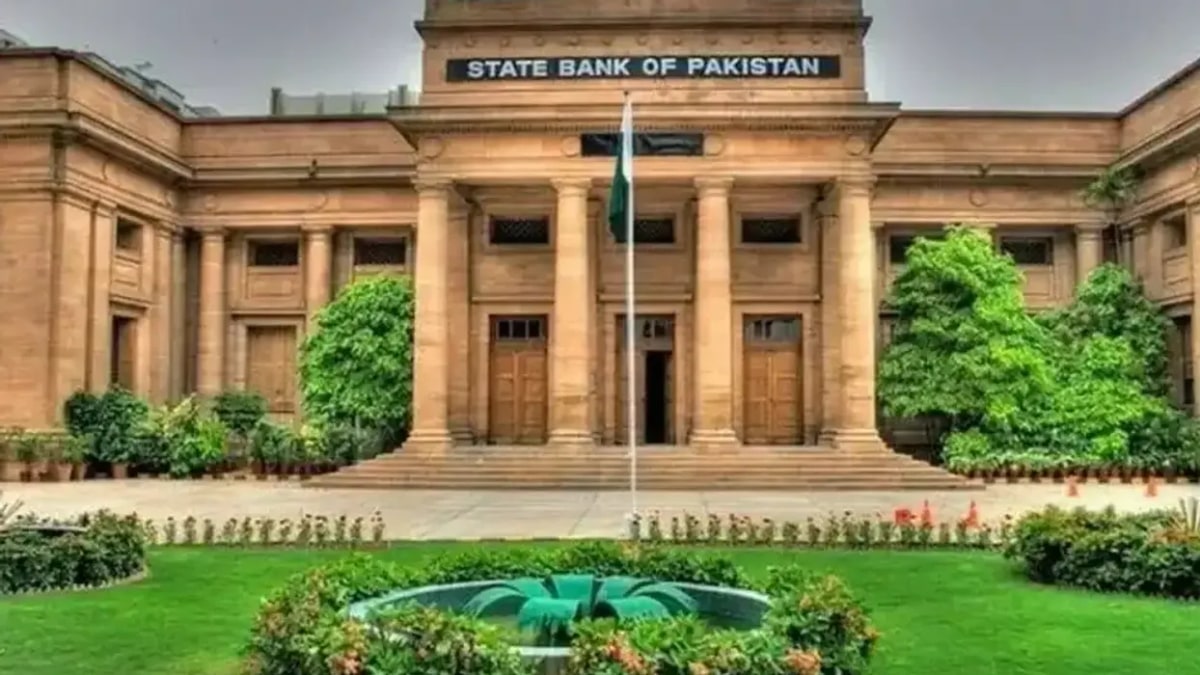
The State Bank of Pakistan’s Monetary Policy Committee meets today, Monday 26 October, and for the first time since April most analysts expect it to raise the policy rate. The rate has sat at 11.5% for three meetings in a row; the common call is a 0.5 percentage point rise to 12%.
That is a change of mood from last month. Before the 14 September meeting, a Topline Securities poll found 84% of market participants expected no change, Nukta reported. In Topline’s latest survey, 61% expect a hike: 54% see 50 basis points and 7% see a full 100. The other 39% still expect a hold.
Why a hike is on the table
The short answer is inflation and oil. Headline inflation rose to 10.3% in September, well above the State Bank’s 5% to 7% target, and Dawn reports it averaged 10.2% in the first quarter of this financial year, against 4.3% a year earlier. Costlier oil imports linked to the Middle East conflict are a big part of that, and analysts quoted by Dawn worry that possible US strikes on Iran could push prices higher still.
Topline, Optimus Capital and Foundation Securities all forecast a rise to 12%. Foundation Securities estimates that would lift the real interest rate, the gap between the policy rate and inflation, to about 2.5%. Markets have partly moved already: the six-month treasury bill yield is at 12.24%, according to Nukta.
Not everyone wants it
Senior banker Rashid Masood Alam told Dawn he expects 50 basis points but thinks the market “requires a 100bps hike to tame rising inflation.” Tresmark CEO Faisal Mamsa called 50 a sensible middle ground. Industry is on the other side: Saleem Mukati, chairman of the Pakistan Chemicals and Dyes Merchants Association, wants cuts, and Karachi’s Korangi and SITE industrial associations want rates back in single digits.
What a hike would mean for you
- Car and house loans: Most bank car financing and home loans in Pakistan are floating, linked to KIBOR, which follows the policy rate. A rise means slightly higher instalments when your rate resets.
- Credit cards and personal loans: Also likely to get pricier.
- Savings: Banks’ savings account rates and new National Savings returns tend to follow the policy rate up, so savers usually gain a little.
- Prices: The idea is to cool spending and protect the rupee. It doesn’t lower prices quickly, and if petrol keeps rising, inflation can stay high for months anyway.
- Jobs and business: Expensive borrowing slows factories and small businesses. Optimus has warned growth could fall to about 3.6%, below the 4% target, if risks build.
Our take
A 50-point rise would be a cautious move, not a crisis one. The State Bank cut rates hard in 2024 and 2025 and then had to reverse in April; it will not want to look behind the curve again with inflation above 10%. A hold is still possible if it thinks the oil spike is temporary. Either way, watch the statement’s tone on oil and the IMF programme: that tells you whether December brings another rise.
The decision is due later today, after the committee meets.
Sources
This story was researched and drafted with AI assistance, then checked and edited by our editor before publishing.