LPG price in Pakistan: OGRA may stop setting rates, BISP families to get subsidy
The Petroleum Division wants import costs, not OGRA, to set LPG cylinder prices, with a subsidy only for BISP homes. What changes and what is undecided.
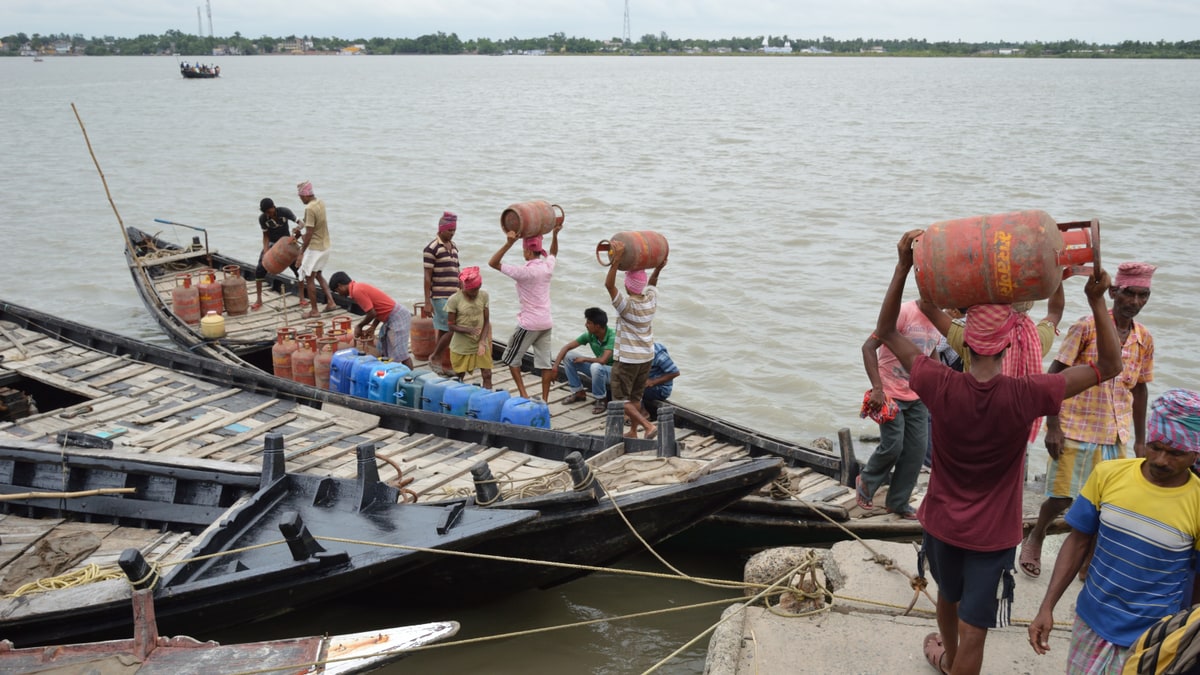
The government wants to stop fixing the price of LPG. Under a plan the Petroleum Division has sent to the federal cabinet, the Oil and Gas Regulatory Authority (OGRA) would no longer issue its monthly price notification for cooking-gas cylinders, and prices would instead follow what it actually costs to import the fuel. Only poor households that qualify under the Benazir Income Support Programme (BISP) would get help.
The plan is not final. Prime Minister Shehbaz Sharif has formed an eight-member ministerial committee, headed by the petroleum minister, which has a month to review it and report back.
Why the government says the current system is broken
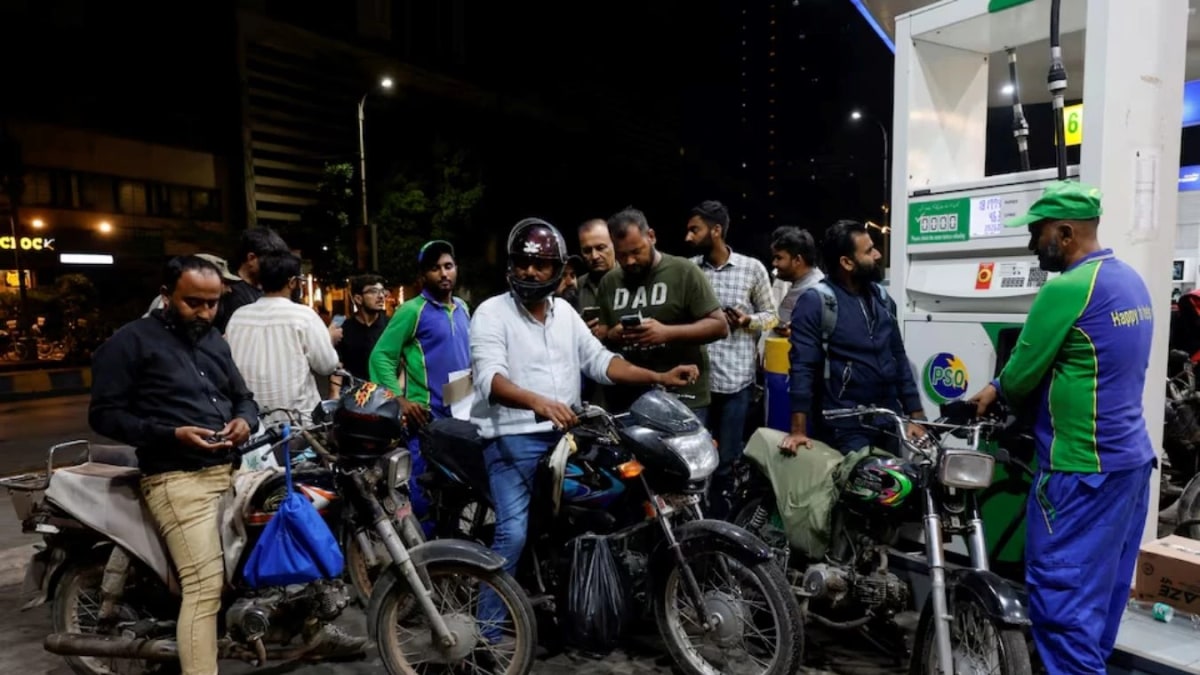
On paper, OGRA’s notified price is Rs3,296 for an 11.57 kg cylinder. In the shops, people have been paying Rs6,000 to Rs7,200 for the same cylinder since the Iran border route closed last month and sea imports fell, as we reported at the time.
The Petroleum Division’s own numbers show the gap is not new. Between January and July 2026, LPG at filling plants sold for Rs60 to Rs79 a kilo above the official price, and in March the gap hit Rs158 a kilo. The ministry argues that consumers are already paying import prices, just without any rules.
Its explanation: the OGRA formula was built for locally produced LPG. It takes the Saudi Aramco contract price and adds a fixed margin of Rs35,000 a tonne, unchanged since 2018. It leaves out the import premium, shipping, insurance, port and terminal charges. When the same formula was stretched to imported LPG in June 2023, the official price drifted further from reality.
What would change under the new plan
- Who sets the price: four state companies, Pakistan State Oil (PSO), SSGC LPG, PARCO Pearl Gas and Pakistan LNG, would import LPG in bulk and announce a monthly base price.
- How it is worked out: the previous month’s Saudi Aramco price plus the import premium, freight, insurance, other charges and import taxes.
- Marketing margins: companies would set their own margins and delivery costs, competing with each other. The Competition Commission of Pakistan and OGRA would watch for price-fixing.
- Taxes stay: petroleum levy, excise duty and sales tax would still apply.
- The old LPG Pricing Committee, set up in 2017, would be wound up.
Who gets a subsidy, and how
Local producers sell their LPG at a price linked to the Saudi rate, which is lower than the import price. Under the plan, that difference would go into a new Producer-Price Differential Fund in the government’s Public Account, audited by the Auditor General of Pakistan.
The fund would pay a subsidy only to households that meet BISP criteria or fall under the government’s poverty-score (PMT) cut-off. The Petroleum Division would have one month, with the Finance Ministry and BISP, to write the rules on how families receive it. If you are already registered with BISP, keep your CNIC details updated with them, since eligibility would be checked against that list.
The objections
LPG marketing companies and dealers say the policy was drawn up without consulting them. They point out that the state companies have little experience importing LPG, that a levy on local LPG would push prices up, and that most of Pakistan’s imports come from Iran and Oman, so tying prices to the Saudi rate makes little sense. They want a bigger role for private importers.
What it means for your kitchen
For most families who already pay the market rate, the price at the shop may not change much at first; what changes is that the official price would finally match it. Whether prices then fall depends on whether competition between importers actually works. BISP families stand to gain the most if the subsidy is paid on time.
The ministerial committee’s report is due by the end of November. Until the cabinet approves the plan, OGRA’s monthly notification stays in place.
This is information, not financial advice.