Bank Alfalah exits Afghanistan: Kabul and Herat branches go to Ghazanfar
Bank Alfalah has handed its Kabul and Herat branches to Afghanistan's Ghazanfar Bank, ending about 20 years in the country. What it means for customers.
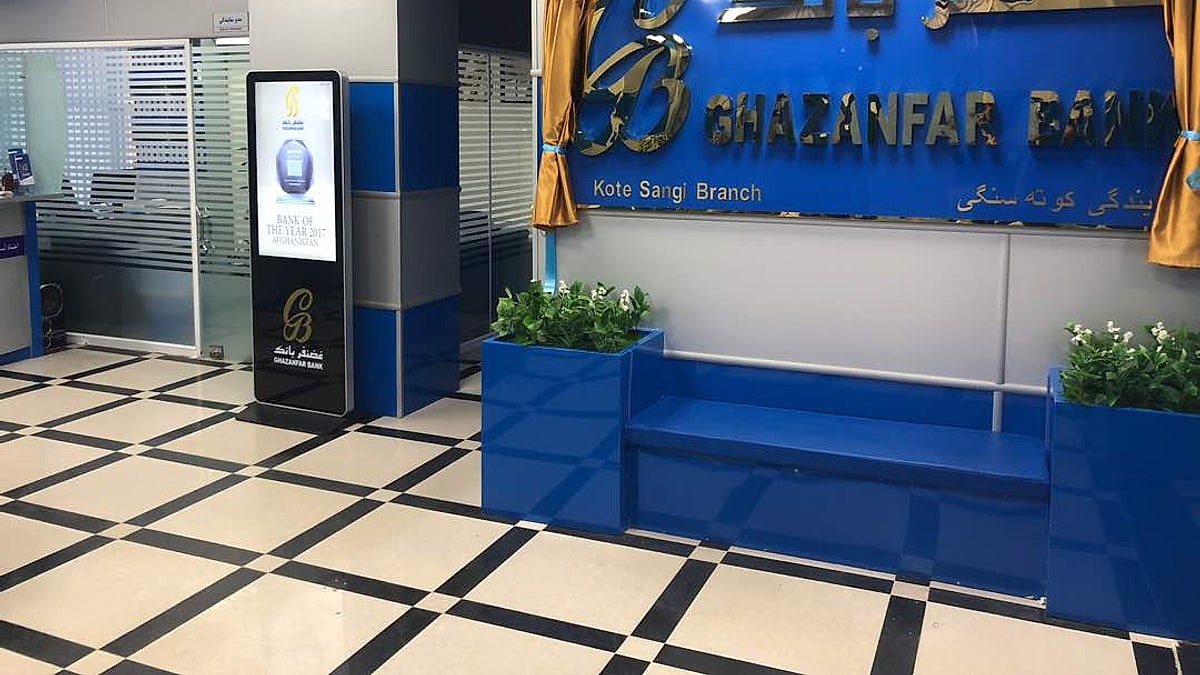
Bank Alfalah has left Afghanistan. The Pakistani bank said on Friday, 6 November that it has completed the transfer of its Afghan business to Ghazanfar Bank, a private Afghan lender, ending roughly two decades of operations there.
The deal covers both of its branches, in Kabul and Herat, together with their assets and liabilities. Bank Alfalah said it will now finish closing its Afghan branch licences in line with the rules of the regulators involved.
How the sale happened
- December 2025: Bank Alfalah’s board accepted a non-binding offer from Ghazanfar Bank for the Afghan business. No price was disclosed.
- January 2026: the State Bank of Pakistan gave in-principle approval, and Afghanistan’s central bank, Da Afghanistan Bank, allowed Ghazanfar to start checking the books.
- 6 November 2026: the bank announced the transfer was complete.
This was not the bank’s first try. In 2019 it tried to sell the same operations to Azizi Bank, but the Afghan central bank turned that proposal down.
Why leave now?
Banking in Afghanistan has been hard since the Taliban took over in August 2021. Afghanistan’s foreign reserves were frozen, international payments became difficult and most countries still do not formally recognise the government. For a foreign bank with only two branches, that meant high compliance costs for a small business.
The bank has not given a price for the sale. One market analyst noted the Afghan unit was small, with just two branches, so the exit should not make a noticeable difference to Bank Alfalah’s balance sheet or its profit.
What it means for customers
Account holders at the Kabul and Herat branches become Ghazanfar Bank customers, since their deposits and loans moved with the branches. Customers in Pakistan are not affected: Bank Alfalah’s branches, cards and app at home run as normal.
It also leaves fewer Pakistani banks with a presence across the border at a time when trade between the two countries is already strained. Watch for the final licence closures, which the bank says it will report once regulators sign off.