OpenAI to buy Google's TPU chips, report says: what it means for Nvidia and the AI race
The Information reports OpenAI plans to buy Google's TPUs, not just rent them. OpenAI declined to comment. Why chips matter, and what it means for Pakistan.
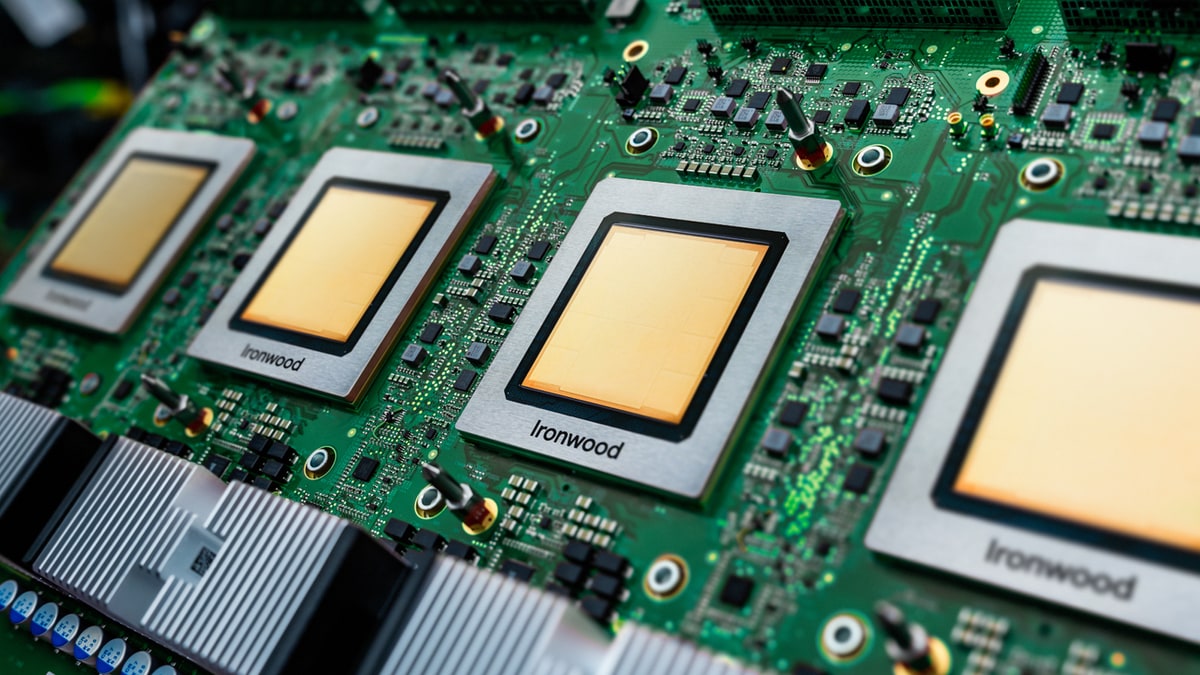
OpenAI, one of Nvidia’s biggest customers, plans to buy AI chips from Google, The Information reported on Tuesday, October 27, citing a person familiar with the matter. Reuters, which carried the report, said no financial terms were given. OpenAI declined to comment, and Google did not immediately respond. So for now this is a report, not a confirmed deal.
What exactly is being reported?
Google’s chips are called TPUs (tensor processing units), processors Google has designed in-house since 2016 specifically for AI work. Until recently, outsiders could only rent time on them through Google Cloud. Reuters reported in June 2025 that OpenAI had started renting them. Buying them outright would be a bigger step.
The clearest sign it’s real: OpenAI has posted a job for engineers to “optimize OpenAI’s cutting-edge frontier models on TPUs”. The Information said that work appears to be at an early stage. When the earlier rental news came out, OpenAI said it had no dedicated plans to use TPUs, so its position has clearly moved.
The timing fits a pattern. Last week OpenAI said it would make its models available through Google Cloud, and Google has started selling TPUs directly to some customers this year. Seoul Economic Daily notes that Oracle, a major OpenAI cloud partner, is set to become the first big cloud provider outside Google to buy and lease TPUs.
Why would OpenAI do this?
One word: dependence. Training and running models like ChatGPT takes enormous numbers of chips, and Nvidia has dominated that market. Nvidia CEO Jensen Huang has said OpenAI committed to spending about $600 billion on Nvidia servers through 2030, according to Seoul Economic Daily. In June, OpenAI also unveiled its own custom chip built with Broadcom.
Adding Google means more suppliers, more bargaining power and less risk if one supply line jams. Its rival Anthropic already does this: its IPO filing describes using four chip families, Amazon’s Trainium, Google’s TPUs, and GPUs from Nvidia and AMD.
Is this bad news for Nvidia?
Not overnight. OpenAI is still a huge Nvidia buyer, and no volumes have been reported. But it adds to a real trend: the largest AI labs no longer want one supplier. Amazon, Microsoft and Alphabet plan to spend as much as $600 billion combined on AI infrastructure this year, Reuters noted, and every one of them now has its own chip.
What it means for Pakistan
For most Pakistani users, nothing changes in ChatGPT tomorrow. The longer-term effect is on price. If more competition among chipmakers lowers the cost of running AI models, the APIs that Pakistani startups and freelancers build on can get cheaper, as they already have in this year’s price war between AI companies.
There’s a lesson for policy too. Pakistan wants AI infrastructure it can control, but the world’s best-funded AI company is itself scrambling for chips. For us, the realistic path is access through cloud providers and regional data centres, not owning cutting-edge hardware.
What to watch
Alphabet reports quarterly results this week, which may bring the first comment from Google. Any confirmation from OpenAI, or detail on how many TPUs it is buying, would turn this from a report into a deal.
Sources
This story was researched and drafted with AI assistance, then checked and edited by our editor before publishing.