China AI export controls: DeepSeek and MiniMax cleared, so can Pakistanis still use them?
China's draft rules cover 23 AI technologies, but apps, APIs and open-source models stay outside them. What it means for Pakistanis using Chinese AI.
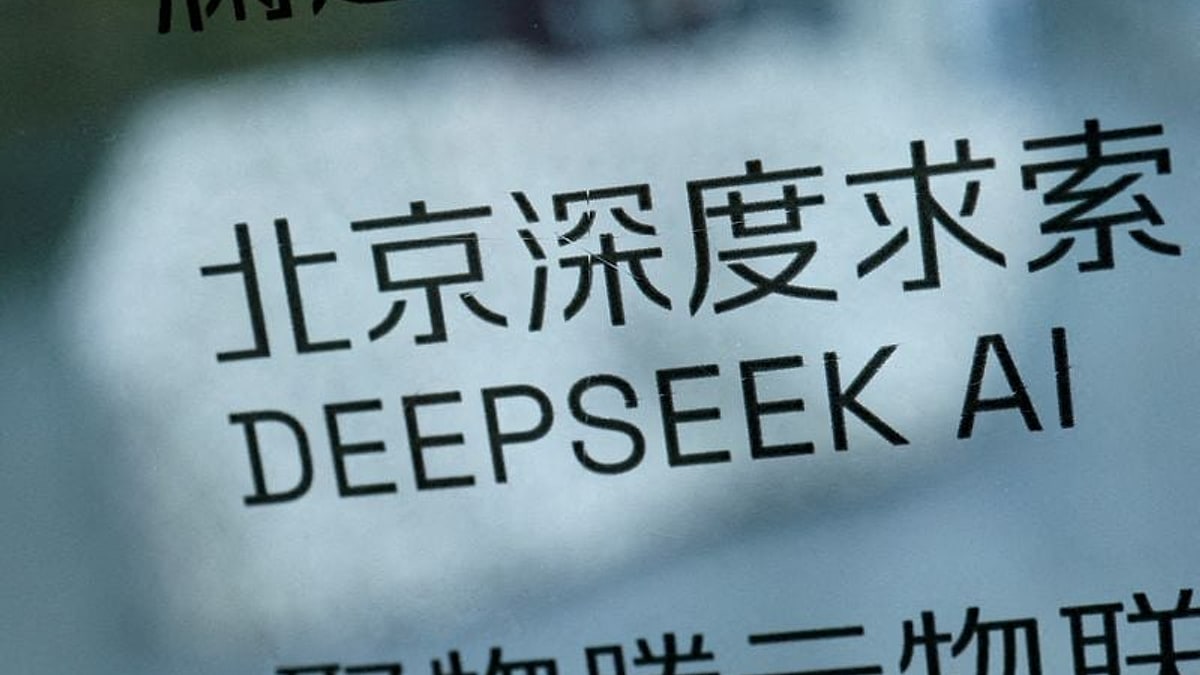
China has started controlling the export of its own AI, and the first two companies through the new door are DeepSeek and MiniMax. MiniMax said on Friday, 23 October, that it had completed technology export registration with China’s commerce ministry for the open-source release and overseas licensing of some recent and upcoming models, Reuters reported. A day earlier, a social media account affiliated with state broadcaster CCTV, Yuyuan Tantian, said both MiniMax and DeepSeek had won approval for global use of their models. DeepSeek did not immediately reply to Reuters.
For anyone in Pakistan using DeepSeek’s app or building on Qwen or MiniMax models, the short answer is that nothing changes for you today. Here is why.
What China actually proposed
On Friday, 16 October, China’s commerce and science ministries published a draft list of 40 technologies to add to the national export control catalogue, The Next Web reported. Twenty-three are AI items: large language models, AI agents, AI chip designs and computing clusters. The rest cover solar and biomedicine.
For models, the curbs would cover the weights, source code and other core parts of systems with at least 2 trillion parameters, or that rank in the global top ten on tests of performance and safety. The draft names no models, but Bloomberg and AP have reported that Moonshot AI’s Kimi K3 and Alibaba’s Qwen3.8-Max are above the size line.
A temporary rule took effect the same day: firms must register before exporting listed technology. Public comments on the full draft close on 15 November. A ministry spokesperson said the aim is to “prevent misuse and abuse” and to “ensure that AI remains under human control,” and that the plan does not target any country or company.
What stays open
This is the part that matters outside China:
- Chinese firms can keep serving overseas users through apps, websites and APIs.
- Open-source code and published research are exempt.
- Running a covered model on servers abroad counts as an export, but a firm using its own overseas cloud could get a licence automatically.
The commerce ministry has also said most AI technology will stay freely exportable, with simpler licensing for open-source releases, according to Reuters.
Our take: China is copying the American playbook, carefully
For years the US has been the one writing export rules, mostly on chips, to slow China down. Now Beijing is building its own fence around what it sees as its best assets: the weights of frontier models and know-how for advanced chips. The fact that two companies cleared registration within a week, with state media cheering it on, suggests the goal is control rather than a shutdown. China wants to know where its most powerful models go, while its open-source strategy keeps winning users worldwide.
The interesting gap is that the rules lock down weights of the very biggest models while leaving open-source releases alone. That gives Chinese labs a reason to think harder about what they publish openly in future. If the next big DeepSeek or Qwen model ships as API-only, that is the sign the rules are biting.
What it means for Pakistan
Pakistani freelancers, startups and university labs lean heavily on Chinese open models because they are cheap, strong and can run on local servers, which matters when dollar API bills hurt. Right now, apps, APIs and existing open-source models are untouched. The risk is in the future: if the largest new models stop being released openly, Pakistani teams that self-host for cost or data-privacy reasons may need to switch to API access, with the bills and data questions that come with it.
Watch 15 November, when the comment period closes, and whether the final catalogue keeps the open-source exemption intact.
Sources
This story was researched and drafted with AI assistance, then checked and edited by our editor before publishing.