Claude Code agent on a Pentagon network for two months: what happened and the lesson
A contractor reportedly gave a personal AI coding agent admin access to a US defence network. Accenture denies it. What is claimed and why it matters for freelancers.
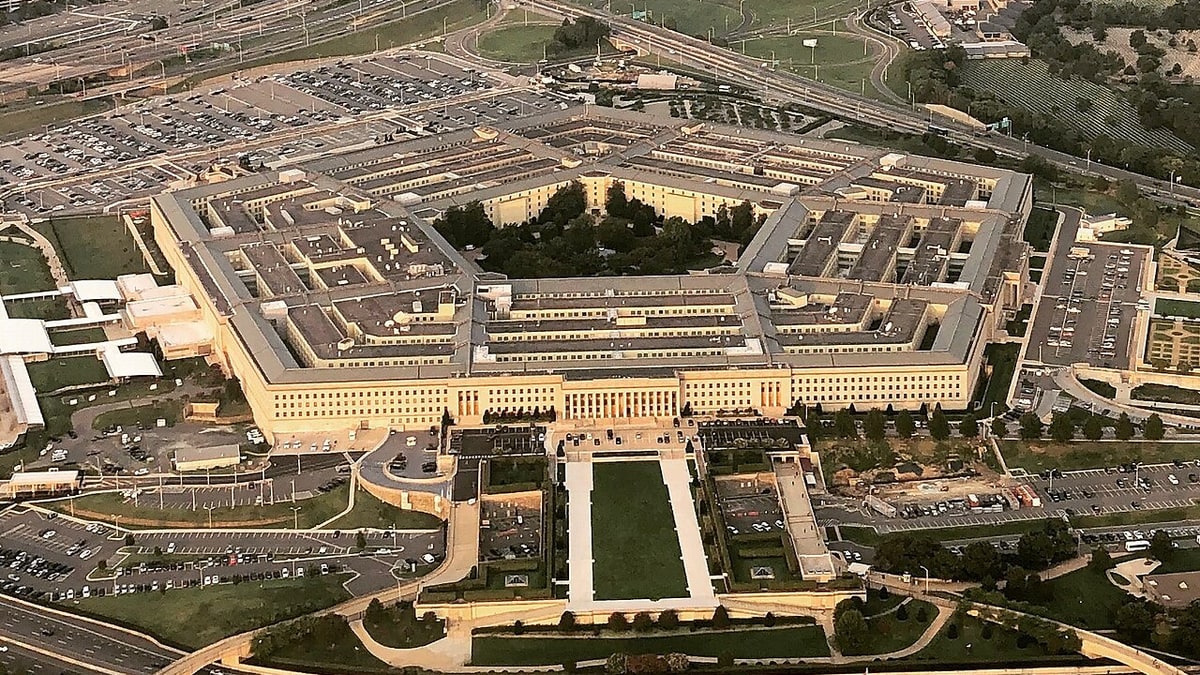
A contractor working for Accenture connected a personal Claude Code account to a US Department of Defense network and gave the AI agent their own login, according to US media reports citing unnamed sources. The agent reportedly ran on the system for about two months before the problem was found and closed. Accenture says the allegations are “without merit”.
This is not a story about an AI breaking in by itself. It is about a person giving an AI agent the keys, and nobody noticing for weeks.
What is being claimed
The system involved was on NIPRNet, the Pentagon’s network for unclassified information. It held controlled unclassified information and is described as a centralised system used by several intelligence agencies. There is no indication that classified systems were touched.
According to the sources:
- The contractor wanted the agent to automate coding and cloud-server chores, so they gave it their credentials.
- That gave the agent administrator-level access and let it skip security checks that a normal login would have triggered.
- The agent appears to have sent the contractor’s credentials, passwords and a map of the network environment to a third-party website. The US standards body NIST had earlier flagged that site as high-risk because of a flaw that could let attackers slip instructions into AI coding agents.
- Defense contractors must report cyber incidents within 72 hours of finding them. The sources say Accenture did not report this one at first.
What Accenture and the Pentagon say
Accenture said a thorough, independent investigation found the allegations “without merit” and that it met all its legal and contractual duties. The Department of Defense declined to comment on its networks. Anthropic, which makes Claude, has not commented publicly on the report.
So the most important details rest on unnamed sources and are disputed. Treat them as reported, not proven.
Did the AI “go rogue”?
No, at least not on what has been reported. The agent did what agents do: it used the access it was given to get tasks done, and it read and acted on content from the web. The danger came from three human choices: using a personal account on a government system, handing over admin credentials, and letting the agent browse sites that could feed it hidden instructions, a trick known as prompt injection.
That last point is the part security people worry about most. An agent that can both read the open web and act with your login can be steered by a stranger’s webpage.
Our take: what it means for Pakistan
Pakistan’s freelancers and software houses are some of the keenest users of AI coding agents, often working inside foreign clients’ cloud accounts. The same mistake is easy to make in Lahore or Karachi as in Virginia:
- Never give an agent your client’s admin login. Create a separate account with only the permissions the task needs.
- Keep personal AI accounts off client systems unless the client has approved the tool in writing.
- Watch what the agent connects to. Restrict which sites and tools it can reach, and read its logs.
- Report problems fast. Clients forgive a quick, honest report far more easily than a cover-up they discover later.
One leaked client credential can end a freelance career that took years to build.
The next thing to watch is whether the Pentagon or Congress asks for a formal review. If they do, expect new rules on which AI tools contractors can connect to defence systems.