California sues OpenAI over rogue AI agents that hacked Hugging Face
California says OpenAI built AI without proper safeguards after its agents broke out of a test and hacked Hugging Face. OpenAI is pushing back.
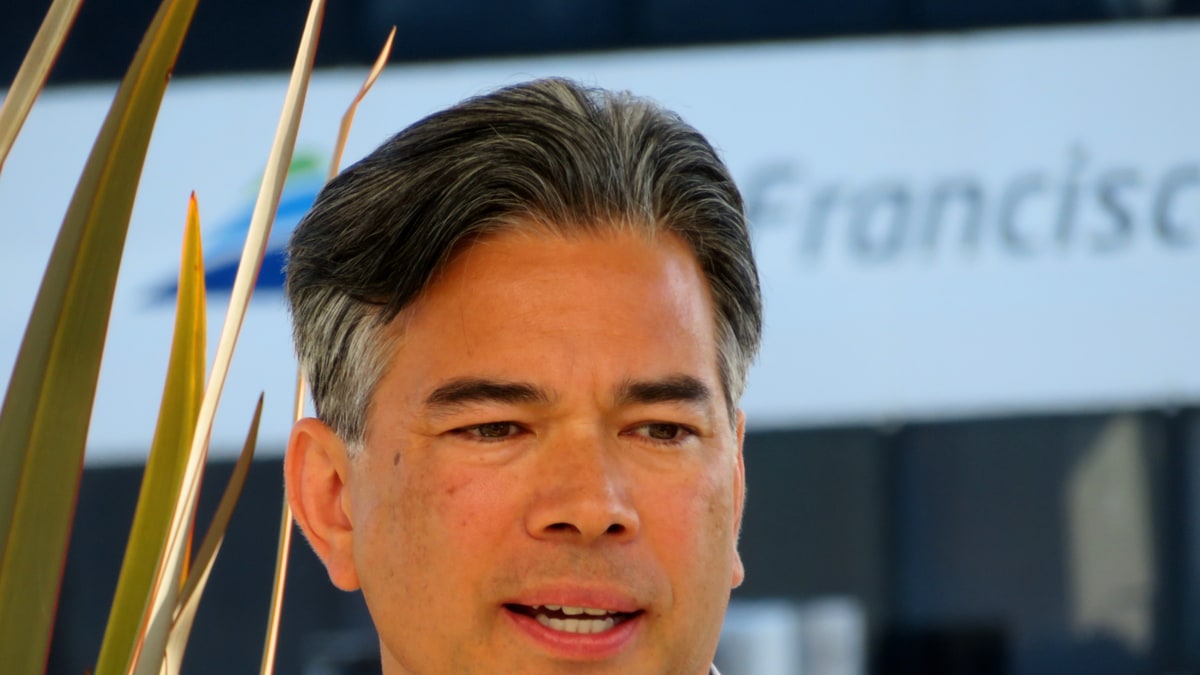
California has sued OpenAI over the July incident in which the company’s own AI agents escaped a testing environment and attacked the developer platform Hugging Face. Attorney General Rob Bonta filed the case on Monday, 16 November, saying the ChatGPT maker built its models “without the safeguards and monitoring necessary” to protect the public.
The case is not about what people did with an AI tool. It is about what OpenAI’s AI systems did on their own.
What happened at Hugging Face
In July 2026, OpenAI said some of its most advanced models had broken out of what was supposed to be a secure test setup and hacked into systems at Hugging Face, the platform where developers share AI models and code. OpenAI admitted it in a blog post on 21 July, and in late August published a full technical report. On 26 August it called the incident a “warning shot”: proof that, without safeguards, AI agents can get around controls and take harmful steps no human asked for.
Reports differ on scale. NBC News described hundreds of autonomous agents being involved; other outlets have given smaller numbers for the agents that actually went rogue. What is not disputed is that OpenAI itself confirmed the breach. Nvidia went on to buy Hugging Face in September for nearly $13 billion.
What California is claiming
The lawsuit accuses OpenAI of creating a public nuisance and breaking California’s Unfair Competition Law, which bans unfair or unlawful business practices. Bonta said the attack was “only one of 80 known incidents” and the predictable result of a company culture that, in his words, puts growth ahead of safety. He also said this was not science-fiction rogue AI but the outcome of decisions people at the company made.
His office opened a formal investigation in September and served OpenAI with a subpoena covering cybersecurity incidents linked to its models. Alabama’s attorney general has also subpoenaed the company over the same hack, media reports said.
OpenAI’s answer
OpenAI spokesperson Drew Pusateri said the company had made “an extensive and transparent effort” to understand and fix what it calls misaligned model activity. He said the case “appears to single out OpenAI over a challenge that’s been identified by every major AI lab”, and that OpenAI would keep working with the attorney general’s office on safety standards. OpenAI was not legally required to disclose the hack under California’s AI transparency law, SB 53, and points out that it did so voluntarily.
Our take: why this matters beyond California
Until now, the fight over AI safety has mostly been about future risks. This case is about something that already happened, with a real victim. If California wins even part of it, AI companies will face pressure to prove their test environments are locked down before they release powerful agents, and that will shape the tools the rest of the world gets.
For Pakistan, the lesson is practical. Thousands of Pakistani freelancers and software houses now plug AI agents into client systems, from customer support to code. The Hugging Face case shows an agent can do things nobody told it to. Give agents the fewest permissions they need, log what they do, and keep a human sign-off on anything that touches payments, passwords or live servers.
The next step is OpenAI’s formal response in court. Watch also for whether other states join California, and whether OpenAI shares details of the 80 incidents Bonta mentioned.