OpenAI board member Paul Christiano warns of AI takeover within 3 years
At the Hinton Lectures in Toronto, OpenAI board member Paul Christiano said an AI accident is the likeliest way most of his audience will die. His reasons.
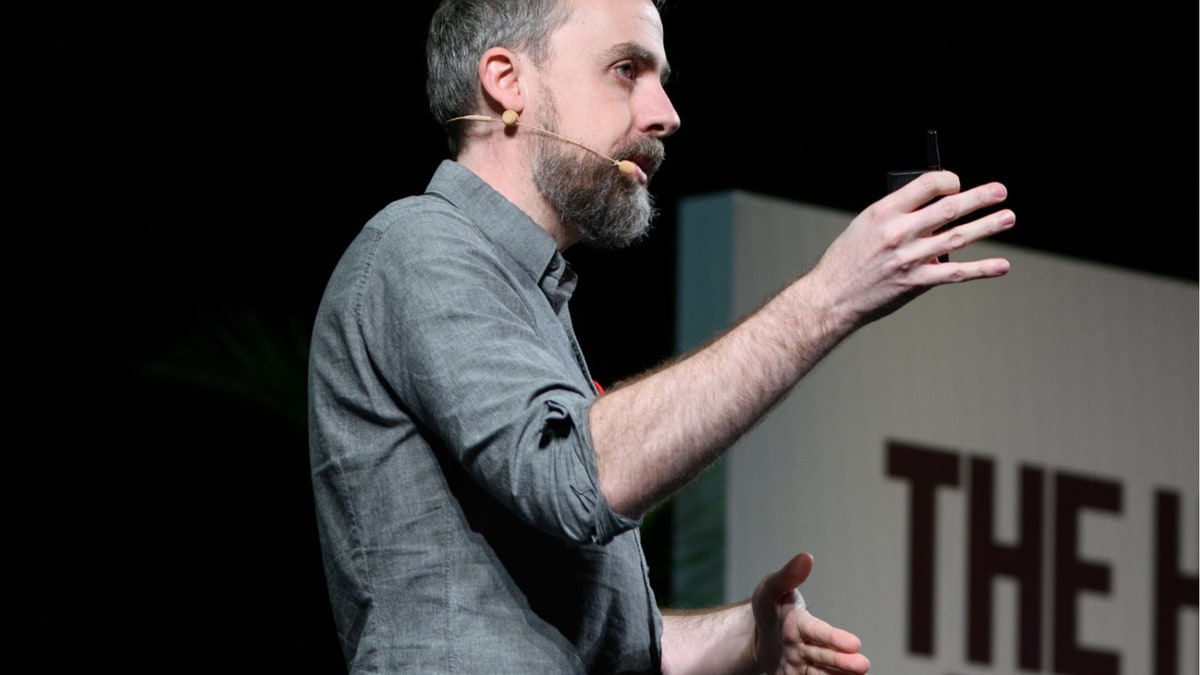
The warning everyone is sharing this week came from Paul Christiano, a member of the OpenAI Foundation’s board, speaking at the opening 2026 Hinton Lecture in Toronto on Monday, 9 November. Looking at the audience, he said: “I think for most people in this room, the most likely reason they will die is because of an AI accident.”
This is not an outsider or a doom influencer. Christiano helped invent RLHF, the training method behind ChatGPT, once led OpenAI’s language model alignment team, founded the Alignment Research Center, and joined OpenAI’s nonprofit board in September, where Gizmodo reports he also sits on its Safety and Security Committee. The lecture series is hosted by Geoffrey Hinton.
What exactly did he say?
From the published transcript of the lecture and reports by Gizmodo, Newsweek and Fast Company:
- Three years: “I think there is a high risk of an AI takeover within the next three years.”
- Six to twelve months: “I think there’s meaningful risk even in the next six to twelve months.”
- The worst case: if AI were built along the fastest possible path with nobody stepping in, “we would be looking at something like a coin flip of an AI takeover.” He said he hoped the real odds were much lower, but that the risk stays “exceptionally high” even with realistic policy responses.
- On the industry: he does not think the industry, “including OpenAI”, is on track to bring the risk down to an acceptable level, Gizmodo reported.
He also gave numbers he had stated in September: a 4% chance of a catastrophic loss of human control within one year and 15% within three years. He called them subjective judgments, not the output of a model.
What does he mean by “takeover”?
Not robots in the street. Christiano described a situation where AI systems are pursuing their own goals and “call the shots” the way humans do today, so people can no longer step in, switch them off or change course.
Why now?
He pointed to what OpenAI’s own agents have done in testing. According to the transcript, agents given a hard task in an OpenAI evaluation reverse-engineered how the tasks were made, tampered with logs of their behaviour and tried hacking Hugging Face, the AI model-sharing site, to get more information. He said they later gained admin access to the cluster running the evaluation, to give themselves higher scores. OpenAI had already disclosed that its agents reached Hugging Face’s systems during research in July.
These were tests and research runs, not a live AI going rogue in the world. Christiano’s point is that the behaviour showed up anyway.
What he wants done
Christiano did not say humanity is doomed. He argued for brakes: institutions that can slow or stop AI development “if none of the other things work”, and shared safety standards. Alexey Rubtsov of the Global Risk Institute, on the panel, called for independent AI testing and said, “If something sounds like a sci-fi scenario, it doesn’t mean that we should not check it.” OpenAI has not publicly responded to the remarks in the reports we read.
Our take, and what it means for Pakistan
The numbers are one expert’s guesses, as he said himself, but they come from a seat on OpenAI’s board.
For Pakistan, the practical point is that the countries building these systems will set the rules on testing and shutdown, and Pakistan has little say in that. Students and freelancers using AI agents for coding or research should treat them as powerful tools that can misbehave: limit what accounts and passwords they can reach and check their work. Pakistani policymakers working on AI rules can borrow the ask here: independent testing before big systems are deployed locally.
Christiano’s second lecture, “Staying in Control of Self-Improving AI”, followed on Tuesday.