Xi Jinping, Trump and Putin sign 'Declaration on Peace' in Shenzhen
The first three-way summit ended with a four-point peace declaration on nuclear risk, UN reform and energy, but no word on Ukraine or Iran. What it says.
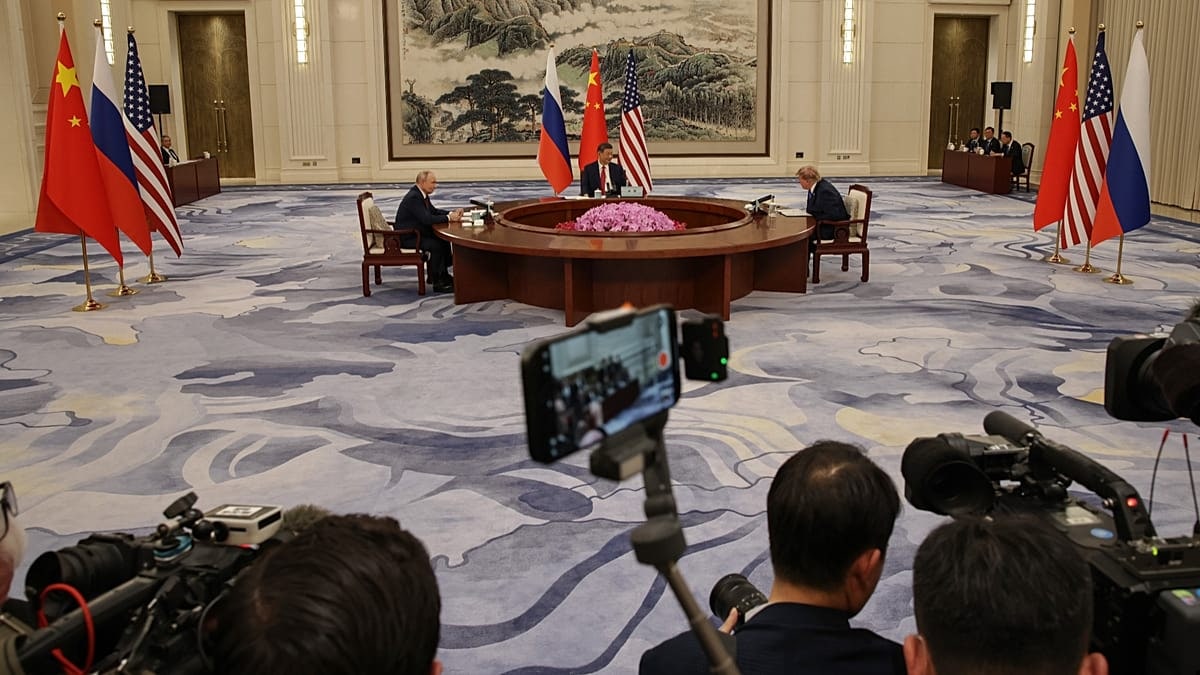
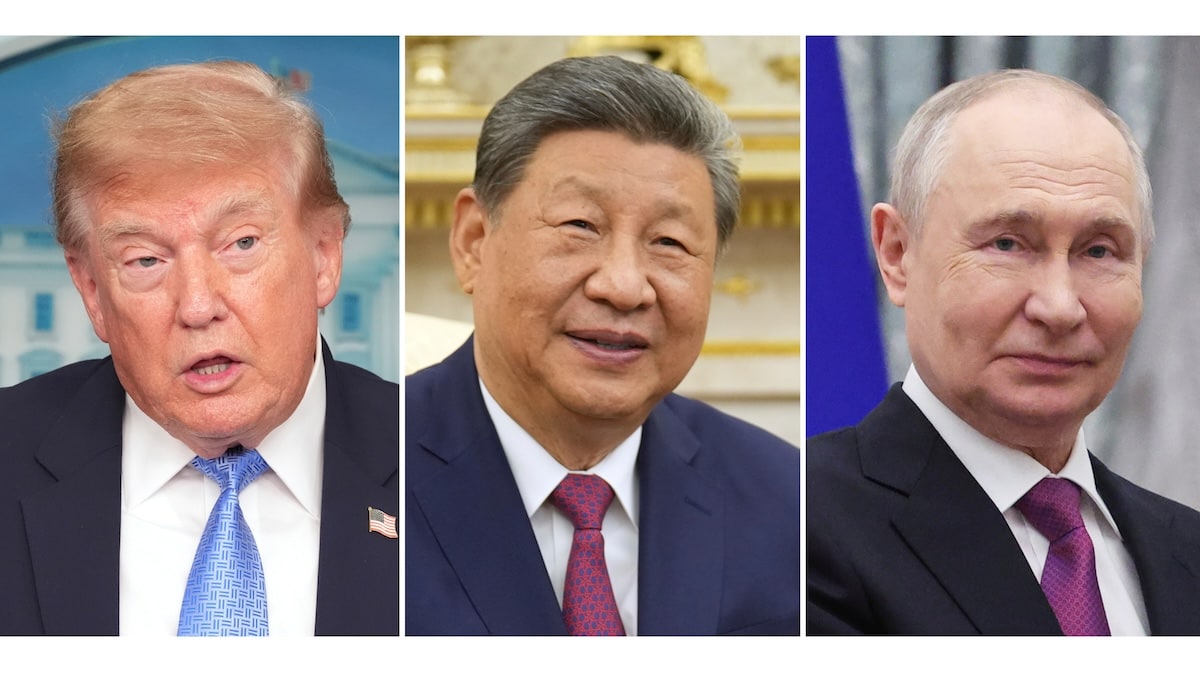
The first ever summit between Donald Trump, Xi Jinping and Vladimir Putin ended in Shenzhen on Thursday, 19 November, with a four-point “Declaration on Peace” and no ceasefire for any war. The text was released by Chinese state media and Russian officials, not read out by the leaders, Euronews reported. Our earlier story covered the build-up to the meeting; this is what came out of it.
What the declaration says
According to the text reported by Kyiv Post and The Hill, the three countries commit to:
- Nuclear risk: dialogue on reducing the risk of nuclear conflict and stopping the growth of nuclear arsenals. The joint line, quoted by BBC Urdu and others, repeats the old Cold War formula that a nuclear war cannot be won and must never be fought.
- UN reform: a call to reform the United Nations, without details on the Security Council.
- Energy: stable oil production and supply.
- The International Criminal Court: a shared position against the court’s reach, The Hill reported. None of the three countries is a member.
What it leaves out
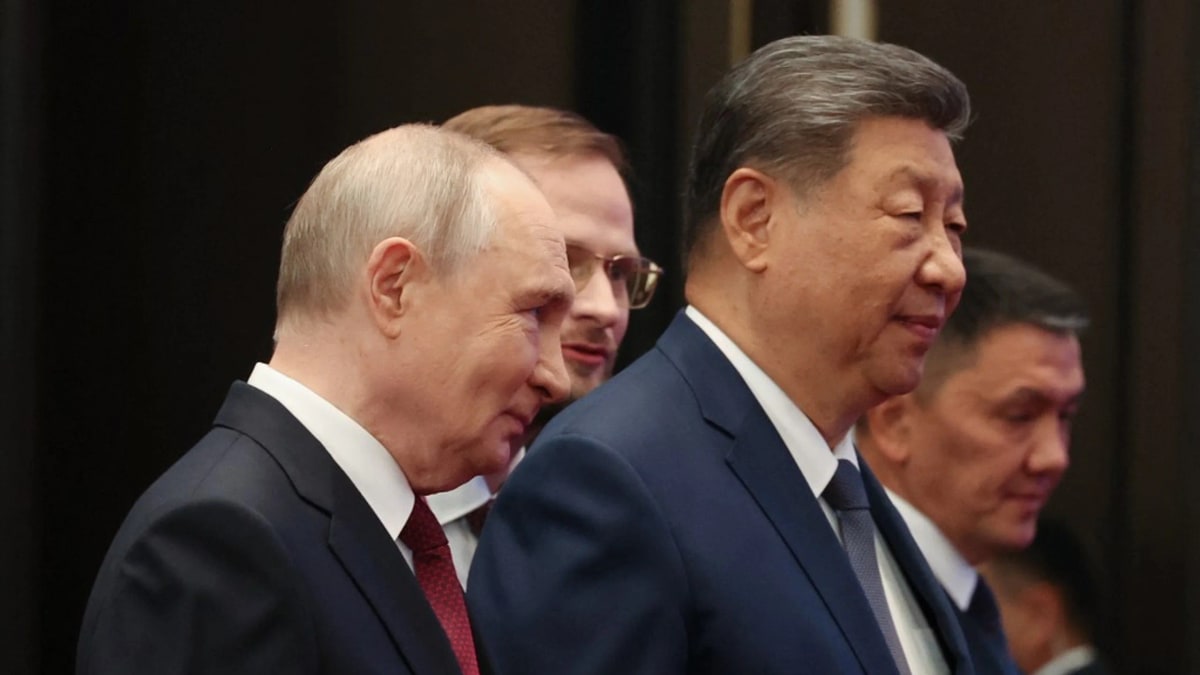
There is no mention of Ukraine or the US-Iran war, Euronews said, and the Kremlin later admitted Ukraine “was not central” to the talks. The meeting ran for about an hour and 20 minutes on the sidelines of the APEC summit. The three posed for a family photo without shaking hands and made no joint statement to the press at the end.
The day also had a sour note for the press. China barred Bloomberg reporter Annmarie Hordern from the trilateral session after she shouted a question to Trump, The New York Times and Fox News reported. Her name became one of the most searched terms in the US on Thursday.
Why it matters for Pakistan
Pakistan has close ties with all three capitals and a big stake in two of the open questions. A US-China-Russia line on nuclear restraint matters in a region with three nuclear-armed neighbours. And the missing Iran clause leaves the Gulf war, which drives Pakistan’s oil import bill and threatens remittances from the region, exactly where it was. Trump said on the same day that the US would “see what happens” with Iran after 1 January, according to Reuters.
What to watch
The declaration is a statement of intent, not a treaty. The first test is whether the nuclear dialogue gets a date and a venue, and whether Moscow and Washington use the APEC sidelines for a separate Ukraine track, which both have hinted at.