Strait of Hormuz LNG traffic hits wartime high: what it means for gas
October saw the most LNG tankers leave Hormuz since the Iran war began, tracking data shows. But Qatar is still far below normal. Why Pakistan cares.
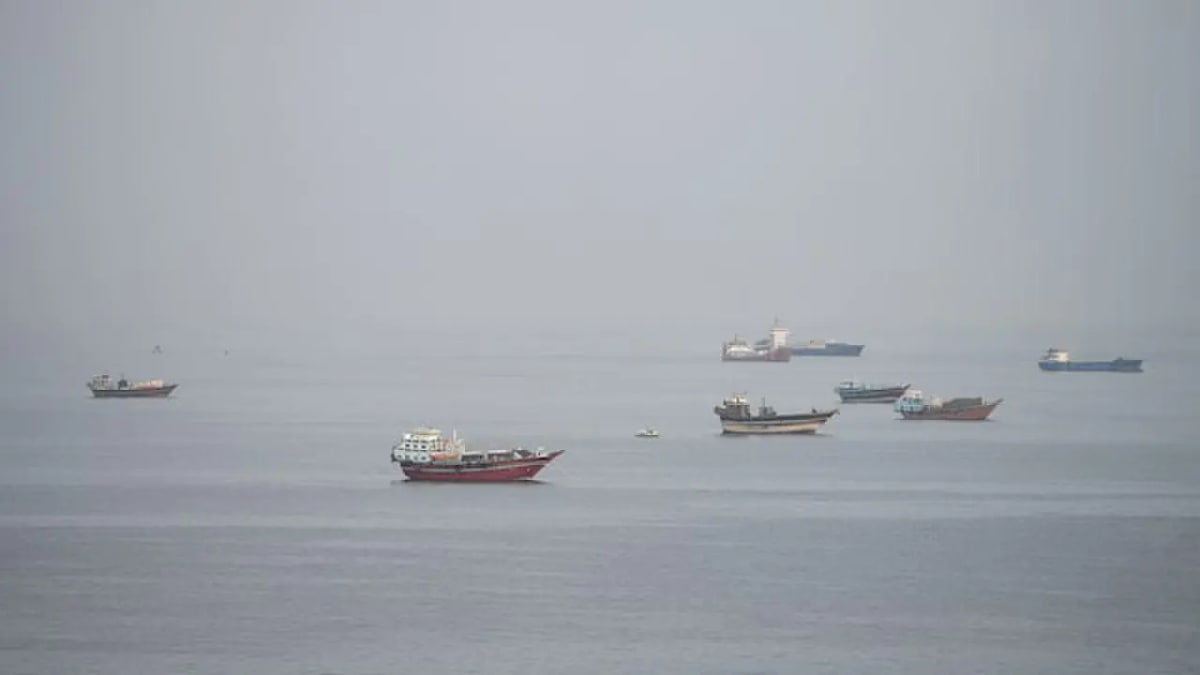
More liquefied natural gas tankers sailed out of the Strait of Hormuz in October than in any month since the US-Iran war began in February, ship-tracking data reported by Reuters on Tuesday, 10 November shows. That is good news for gas importers like Pakistan, but the recovery is uneven: the UAE is almost back to normal, while Qatar, the region’s giant, is still well short.
How many tankers got through?
The numbers depend on who is counting. S&P Global Energy counted 31 laden LNG tankers leaving the strait in October, up from 23 in September: 23 loaded at Ras Laffan in Qatar and eight at Das Island in the UAE. The analytics firm Kpler counted 42 cargoes loaded in October, up from 27 the month before.
Either way, it is the busiest month for Gulf LNG since the fighting started.
Why Qatar is still the problem
Qatar is the one that matters most, and it is far from recovered. Kpler put Qatar’s October exports at about 2.7 million tonnes, against close to 6.2 million tonnes in February, before the war began. An S&P analyst put Qatar at a little over 30% of its pre-war traffic through Hormuz.
The UAE’s exports, by contrast, are back near pre-war levels. So October was a real improvement in shipping, but not a return of the region’s full gas supply.
Why Pakistanis should care
Pakistan buys most of its imported LNG from Qatar under long-term contracts, and nearly all of it has to pass through Hormuz. When those cargoes slow down, it shows up at home as gas load-shedding, more expensive furnace oil and diesel in power plants, and pressure on the import bill. One Pakistan-bound tanker was attacked near the strait earlier in the war.
With winter starting, more tankers getting through is welcome. But at about a third of Qatar’s normal flow, cargoes remain scarce and expensive.
What to watch
The diplomacy. US President Donald Trump said after meeting Qatar’s prime minister that more US strikes on Iran were “highly unlikely”, and oil prices fell on that. If talks hold, Qatar’s traffic should keep climbing in November. If the fighting flares again, tankers will be the first to stop.