Madina missile intercepted as Turkiye approves Makkah defence pact
Saudi air defences destroyed a Houthi missile aimed at the Madina region on Thursday, as Turkiye's parliament ratified its defence pact with Pakistan.
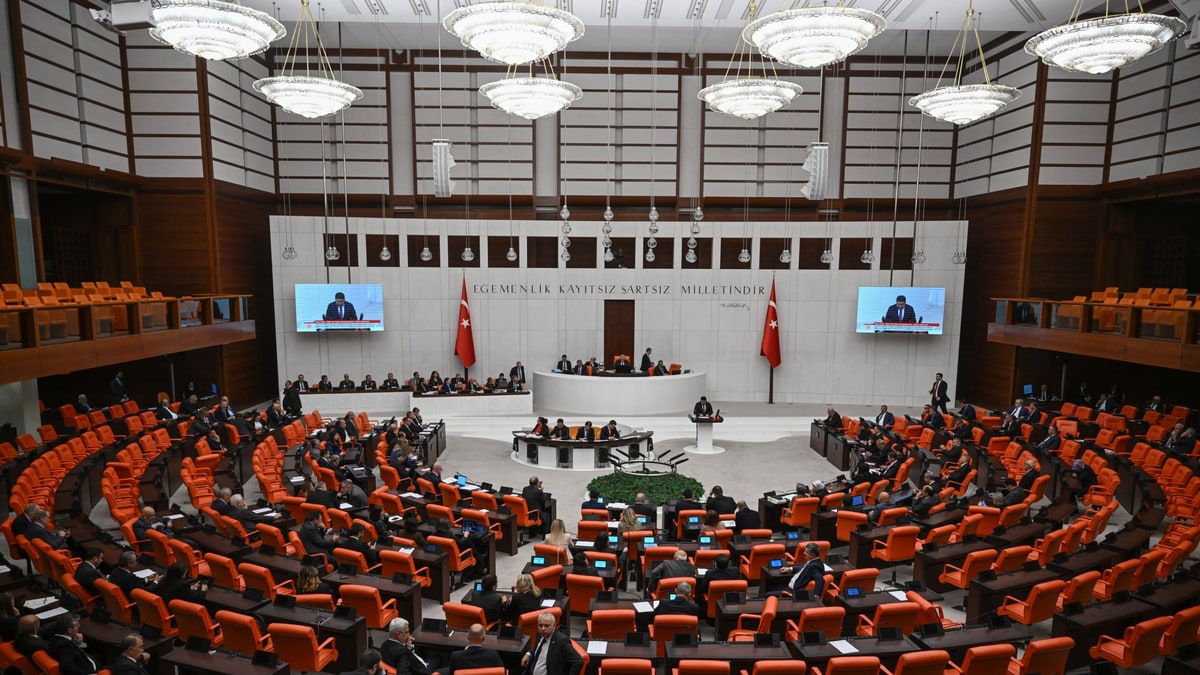
Saudi air defences shot down a ballistic missile fired towards the Madina region on Thursday, 5 November, the Saudi-led coalition said. Within hours, Turkiye’s parliament ratified the Makkah Joint Defence Agreement it signed with Pakistan and Saudi Arabia in August, the pact under which an attack on one counts as an attack on all three. It is the latest turn in the Houthi attacks on the kingdom that we covered last month.
What happened in Madina?
Coalition spokesman Turki al-Malki wrote on X that air defences had “intercepted and destroyed a ballistic missile launched by the terrorist Houthi militia toward the Medina region”. No casualties or damage were reported.
Minutes earlier, Saudi civil defence had sent an alert through its National Early Warning Platform for Yanbu, the Red Sea port in Madina province that is home to major oil facilities. It was not clear whether the alert and the missile were linked. The coalition later said it had also shot down a drone over the Eastern Province.
The Houthis denied aiming at the holy city, calling the claim a “blatant and grave falsehood” and repeating that their operations target “only” Saudi oil facilities and military bases. They made the same denial after missiles and debris fell in the Makkah and Madina regions in October.
Turkiye’s parliament approves the Makkah pact
The Turkish parliament passed the agreement by 279 votes to 119 in a session that ran from Thursday into early Friday. President Erdogan’s AK Party, its ally the MHP and the main opposition CHP all backed it.
The pact was signed in Makkah on 7 August by Saudi Crown Prince Mohammed bin Salman, President Recep Tayyip Erdogan and Prime Minister Shehbaz Sharif. Under it, the three countries promise to:
- treat an attack on one as an attack on all;
- train and exercise together and share defence technology and intelligence through secure channels;
- help each other with weapons, ammunition, fuel and logistics in peace, war and emergencies;
- run a joint committee of foreign and defence ministers and army chiefs, meeting about twice a year, with a permanent secretariat in Saudi Arabia.
Pakistan provides the first secretary-general; the post then rotates. Other countries can join if all three members agree. The pact has no end date, and a member can only leave after 10 years with three months’ notice. It takes full effect once all three countries have formally ratified it.
Fuat Oktay, head of the Turkish parliament’s foreign affairs committee, said the alliance is “entirely about defence, and not for attacking other countries” and that Turkiye would not be pulled into an uncontrolled conflict against its will. Sending Turkish troops abroad under the pact would still need a separate vote in parliament.
Why it matters for Pakistan
The vote means Turkiye, like Pakistan, is now formally committed to Saudi Arabia’s defence while the kingdom is under repeated Houthi fire. Pakistanis heading for Umrah should keep checking with their airline and the Saudi authorities, as alerts in the western region have become more frequent. No new travel advice for pilgrims had been issued at the time of writing.