Houthis advance on Aden as Yemen's army quits Bab el-Mandeb coast
Yemen's government forces have pulled back from the Bab el-Mandeb coast to defend Aden, ending a six-week push. Why the Red Sea strait matters to Pakistan.
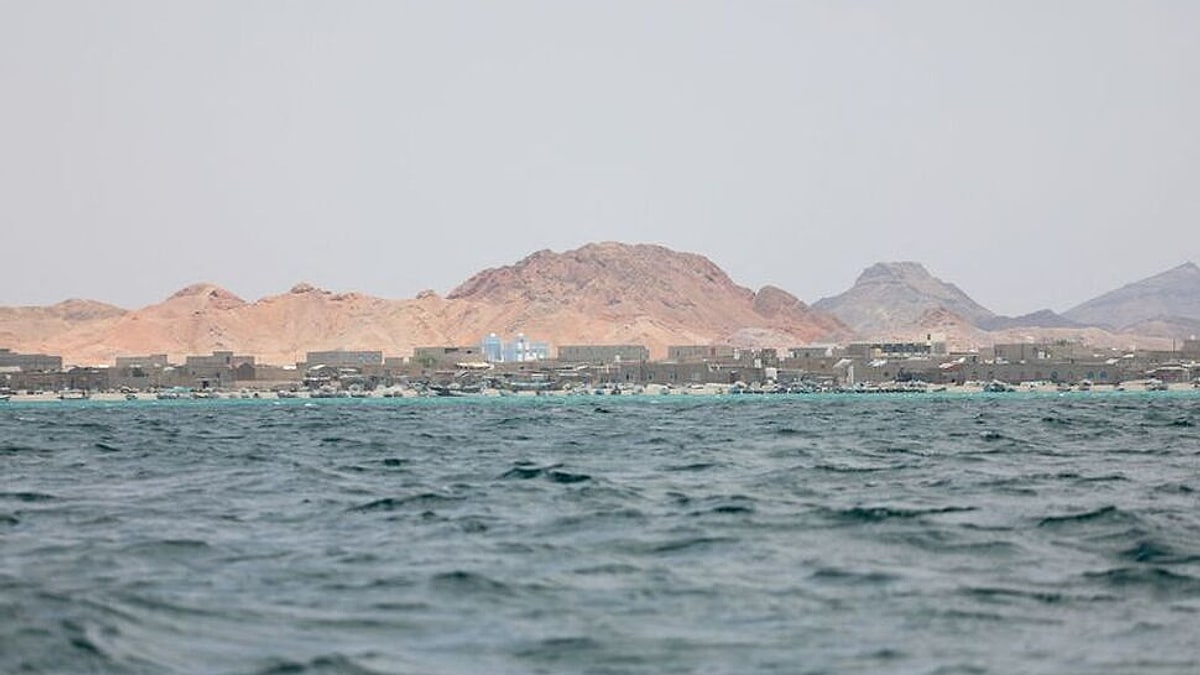
Yemen’s government-allied forces have pulled back from the coast at Bab el-Mandeb, the narrow strait at the mouth of the Red Sea, to defend the southern city of Aden from an expected Houthi advance. The Southern Armed Forces announced the move on Sunday, 15 November, saying they were redeploying from Dhubab airport and the Bab el-Mandeb area.
Reuters described it as the apparent end of a six-week government counteroffensive to win back the coast. It is a major setback for the side backed by Saudi Arabia.
How it got here
The Houthis, who control Yemen’s capital Sanaa and much of the north, took the Red Sea coast and the strait in September while besieging government forces in Taiz. Military sources told Reuters that Houthi gains around Taiz undermined the government’s campaign near Bab el-Mandeb.
Government units have now moved to al-Suqyah, about 150 kilometres west of Aden, and say they are still trying to push the Houthis back from nearby coastal areas.
Is Aden next?
The Houthis already hold highland areas north of Aden and say they are preparing to move on the city, which has served as the seat of Yemen’s internationally recognised government. One outlet, citing unnamed sources, reported that they had captured Al-Maqatirah and Al-Madaribah; that has not been confirmed elsewhere.
It is still not clear whether the Houthis fully control the Bab el-Mandeb coastline, or whether they will really attack Aden. There was no immediate comment from the Houthis or from Saudi Arabia, according to the reports.
Why it matters to Pakistan
This is part of the same widening Gulf war that has already seen Iranian drone attacks on a US base in Bahrain and Houthi missiles fired towards Saudi Arabia in recent days. Bab el-Mandeb is one of the world’s key shipping lanes: oil and goods between Asia and Europe pass through it, and ships heading for Pakistan’s ports from the Suez Canal use it too. Trouble there pushes up freight and insurance costs, and with them the price of imported fuel.
Saudi Arabia is also home to more than two million Pakistani workers, and a wider war on its southern border is watched closely in Pakistan for that reason. Pakistan has repeatedly called for dialogue in the region.
What to watch next: whether the Houthis move on Aden, and how Saudi Arabia responds.