Lahore AQI today: 535 and hazardous, Gujranwala even worse at 675
Lahore's air turned hazardous on Monday morning, with some neighbourhoods above 800. Where it is worst, why it jumped, and what the next few days look like.
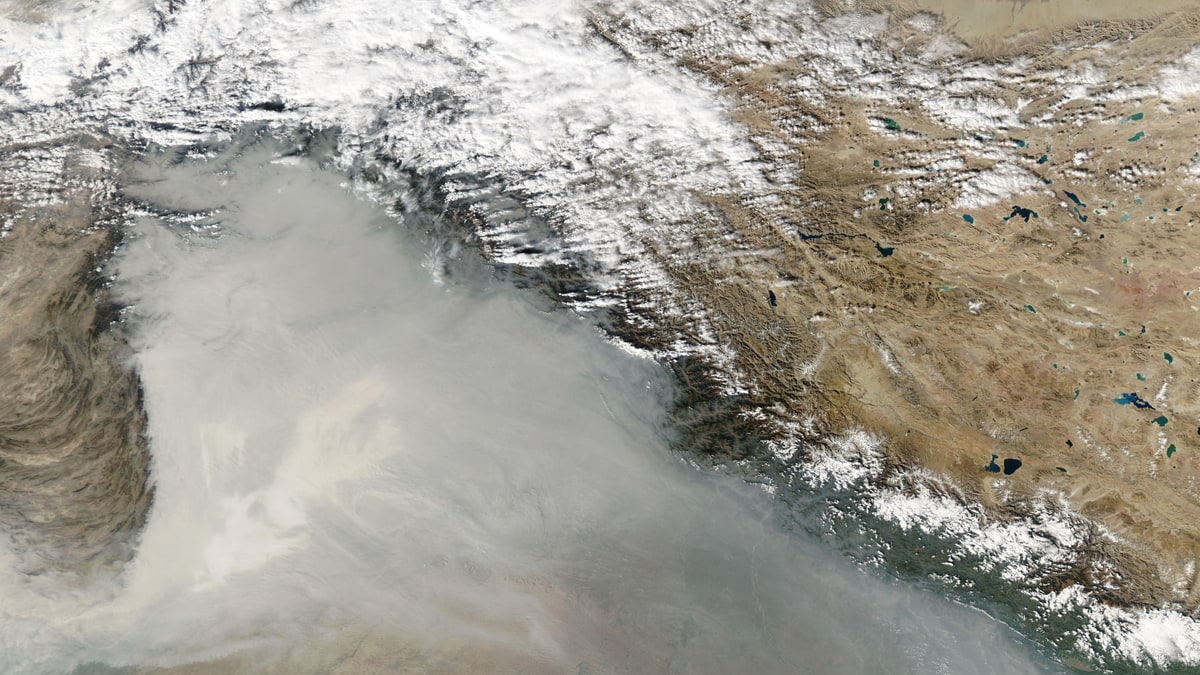
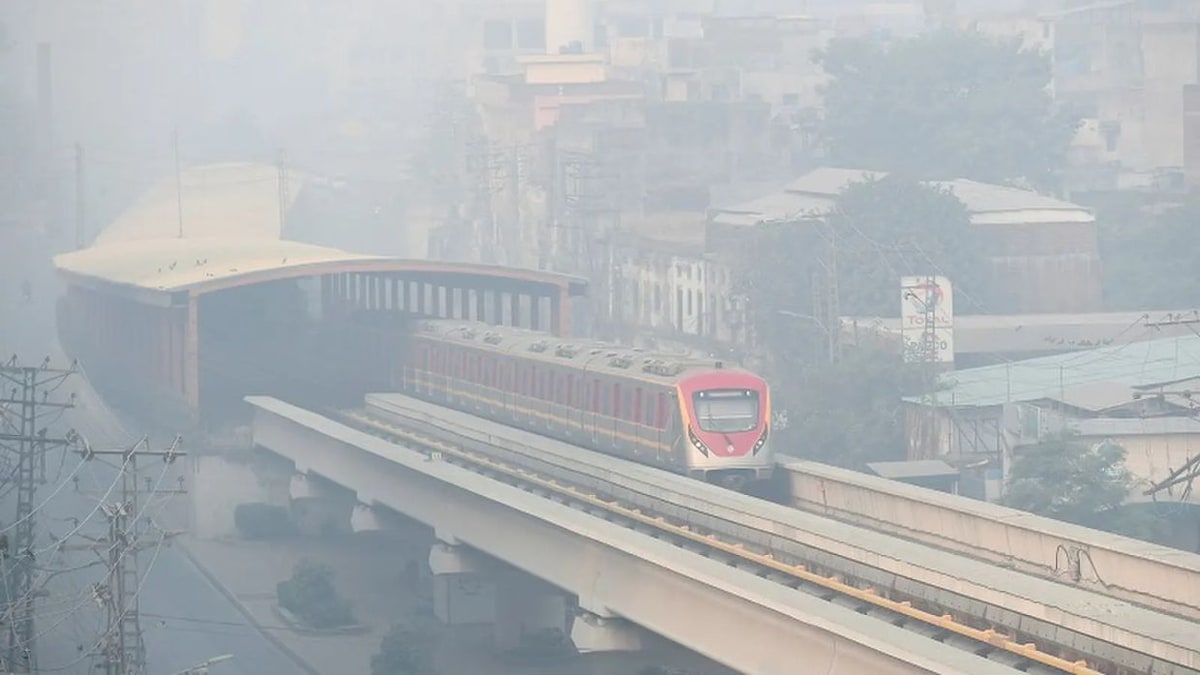
Lahore woke up to hazardous air on Monday, 2 November. At 8 am the IQAir monitor put the city’s Air Quality Index at 535, with fine-particle (PM2.5) pollution at 343 micrograms per cubic metre, roughly 20 times what the World Health Organization considers safe for a day.
That is a sharp jump from the 410 reading that put Lahore on top of the world’s most-polluted list ten days ago, and it came just a day after the Punjab government said the city had enjoyed its cleanest October in five years.
Lahore AQI today: which areas are worst
The city-wide number hides much worse pockets. Readings from neighbourhood monitors on Monday morning showed:
- Allama Iqbal Town: 836
- Burki Road (Paragon): 776
- Model Town A Block: 553
- Bedian Road: 372 to 455
- DHA Phase 5: 424
- Askari 10: 302
Anything above 300 counts as hazardous, the top band on the scale. At that level, everyone, not only children, the elderly and people with asthma or heart problems, is advised to stay indoors as much as possible.
Gujranwala, not Lahore, was Pakistan’s worst city
Lahore was not alone. In IQAir’s morning ranking of Pakistani cities, Gujranwala came first with an AQI of 606, later climbing to 675. Lahore was second, Faisalabad and Multan tied at 310, and Sialkot followed at 260. Five of the six worst cities in the country were in Punjab; Peshawar (216) was the exception.
Why the smog came back so fast
Two things are working together. The first is crop burning. NASA satellite data analysed by the HamariHawa project counted 13,241 fire spots in Pakistani Punjab between 1 and 29 October, about four times the 3,158 spotted across the border in Indian Punjab. Around 92% were on farmland, and half of the month’s fires came in its last seven days, in the rice belt around Lahore. Okara (2,144), Gujranwala (1,011) and Nankana Sahib (1,003) had the most.
The second is the weather. Weak winds and a cold layer of air sitting over the city at night trap smoke and traffic fumes near the ground. The Pakistan Air Quality Initiative (PAQI), which tracks 26 monitoring sites, says milder October weather explains most of the month’s improvement; once weather is taken out, the gain from government action was only about 4%.
Punjab Senior Minister Marriyum Aurangzeb’s figures put Lahore’s average AQI in October at 180.5, down from 204.6 last year, and October 2026 never once crossed 300. November has now done that on day two.
What the government is doing
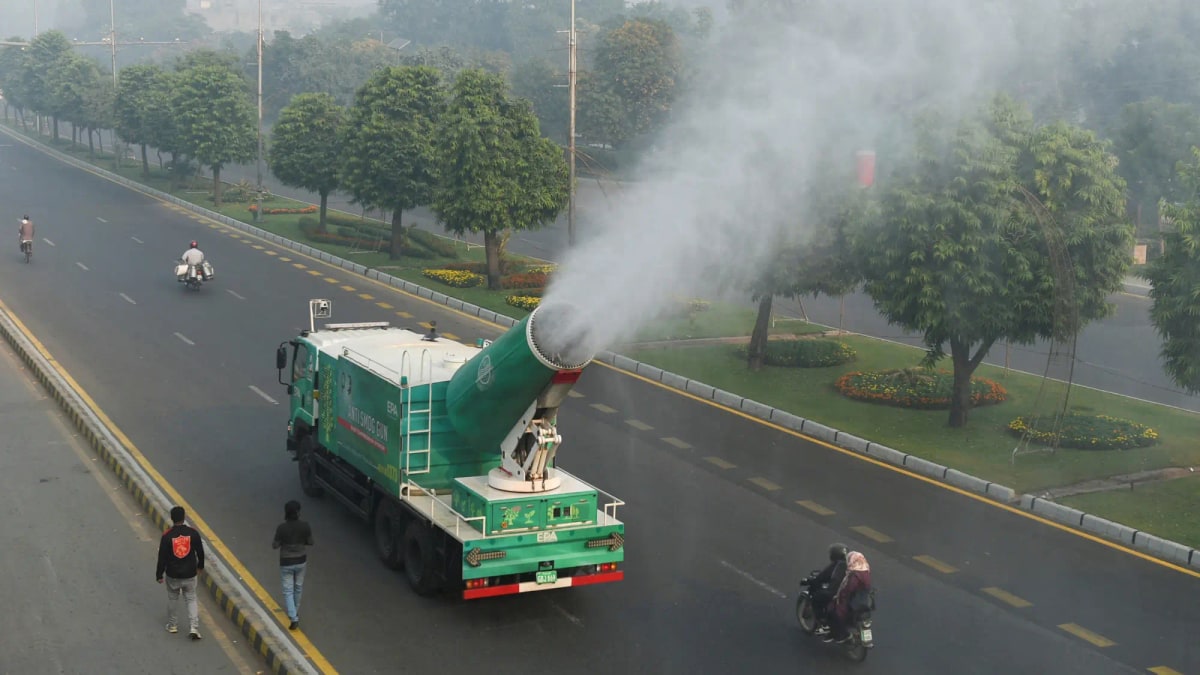
Punjab’s environment teams have anti-smog guns spraying water mist on busy roads, industrial zones and construction sites, and inspectors are out with drones and night squads. In one 24-hour period, 35 factories were inspected and fined a combined Rs600,000, 66 brick kilns were checked and one was sealed, and 18 kg of banned plastic was seized, according to the provincial authorities.
How to protect yourself today
- Keep windows shut in the morning and late evening, when smog is thickest.
- Wear an N95 or KN95 mask outdoors; a cloth mask does little against PM2.5.
- Skip outdoor exercise, and keep children and older relatives inside.
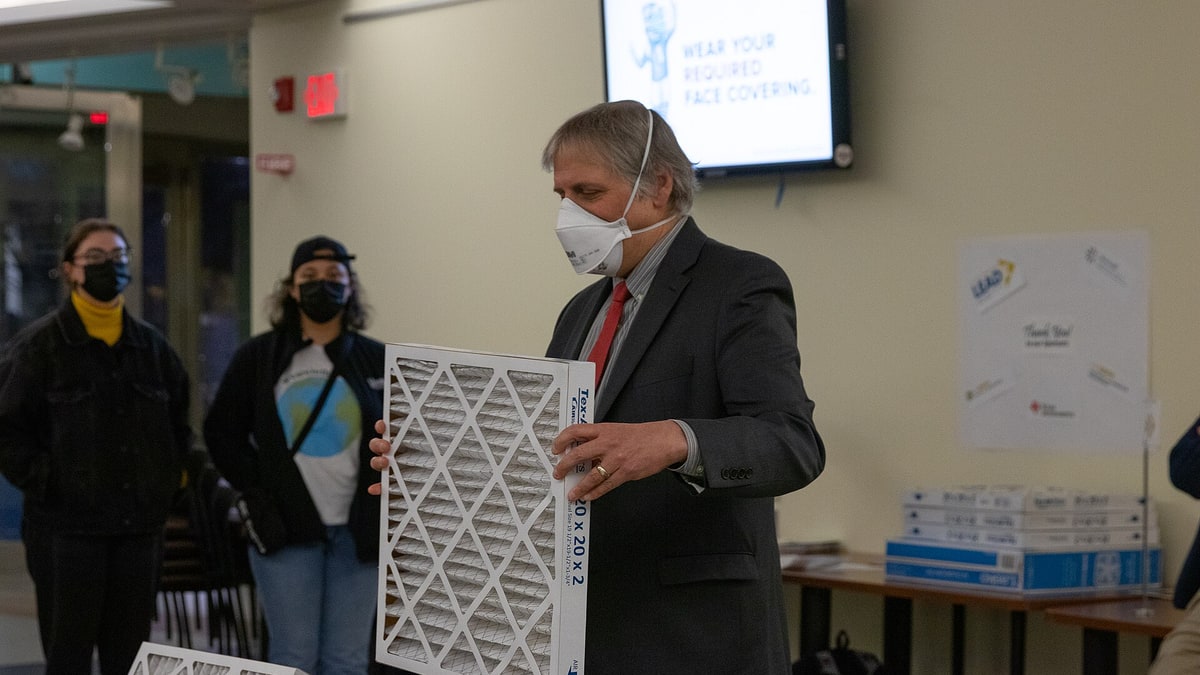
- If you have a purifier, run it in the room where you sleep. No purifier? Our guide to a DIY box-fan air purifier costs a fraction of the price.
Will it get better this week?
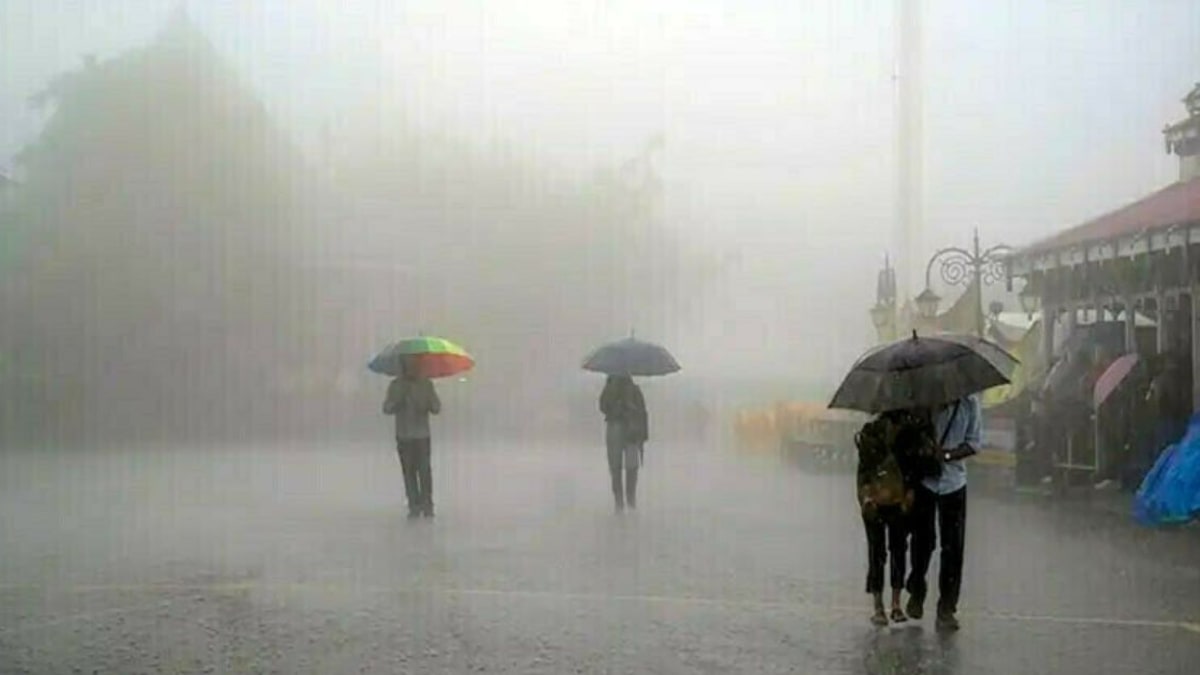
Not yet. PAQI’s forecast, issued on 1 November, expects PM2.5 to keep rising until at least Wednesday, 4 November, reaching about 49% above October’s average. Real relief usually comes only with rain or a strong westerly wind, and neither is in the forecast. Check the live reading on the Punjab government’s AQI dashboard before stepping out.