Israeli election results: Netanyahu 53, Eisenkot 48, so who forms the government?
Netanyahu's bloc lost its majority, Arab parties won a record 19 seats and nobody can govern alone. Here is what happens next and why Pakistanis are searching.
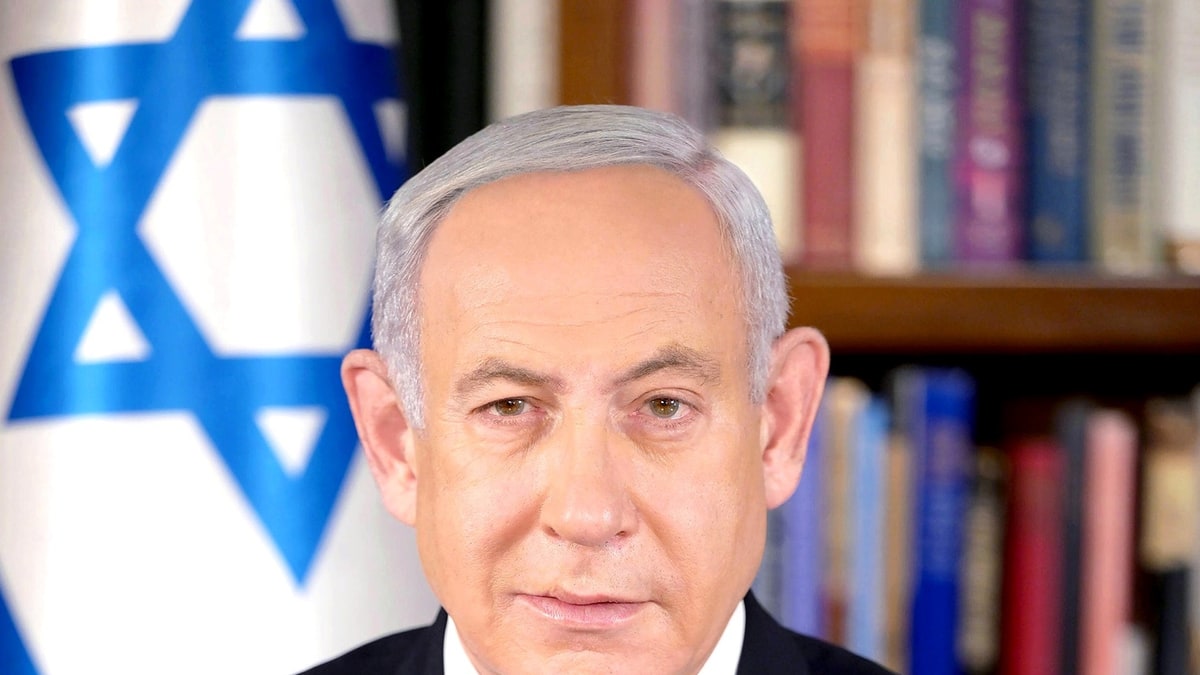
Israel’s election has ended without a winner. With about 86% of votes counted on Wednesday, Benjamin Netanyahu’s right-wing and religious bloc was projected to win 53 of the Knesset’s 120 seats, short of the 61 needed for a majority, while Gadi Eisenkot’s opposition bloc stood at 48.
That is the new fact since our explainer before the vote: the polls promised a tight race, and the count delivered a deadlock. It is also why “israeli elections netanyahu” was one of the top Google searches in Pakistan on Wednesday, with more than 5,000 searches.
The numbers so far
- Netanyahu’s bloc (Likud, far-right and ultra-Orthodox parties): 53 seats projected. It has lost the majority it held.
- Eisenkot’s bloc (anti-Netanyahu parties from centre-left to hard right): 48 seats, below what pre-election polls suggested.
- Arab parties: a projected 19 seats, more than ever before.
- Turnout: 77.7%, the highest in more than two decades, driven partly by Palestinian citizens of Israel, who make up over a fifth of the population.
Full official results are expected by Thursday evening or Friday. The numbers can still shift by a seat or two.
Who will form the government?
Nobody yet. The arithmetic is awkward for both men. Eisenkot can only pass 61 with the backing of the Arab parties, and during the campaign he said he would not govern with Arab lawmakers. Yair Golan, who leads the main left-wing party in his camp, now wants exactly that, saying Israel “must no longer accept Netanyahu’s racist division between Jewish votes and Arab votes”.
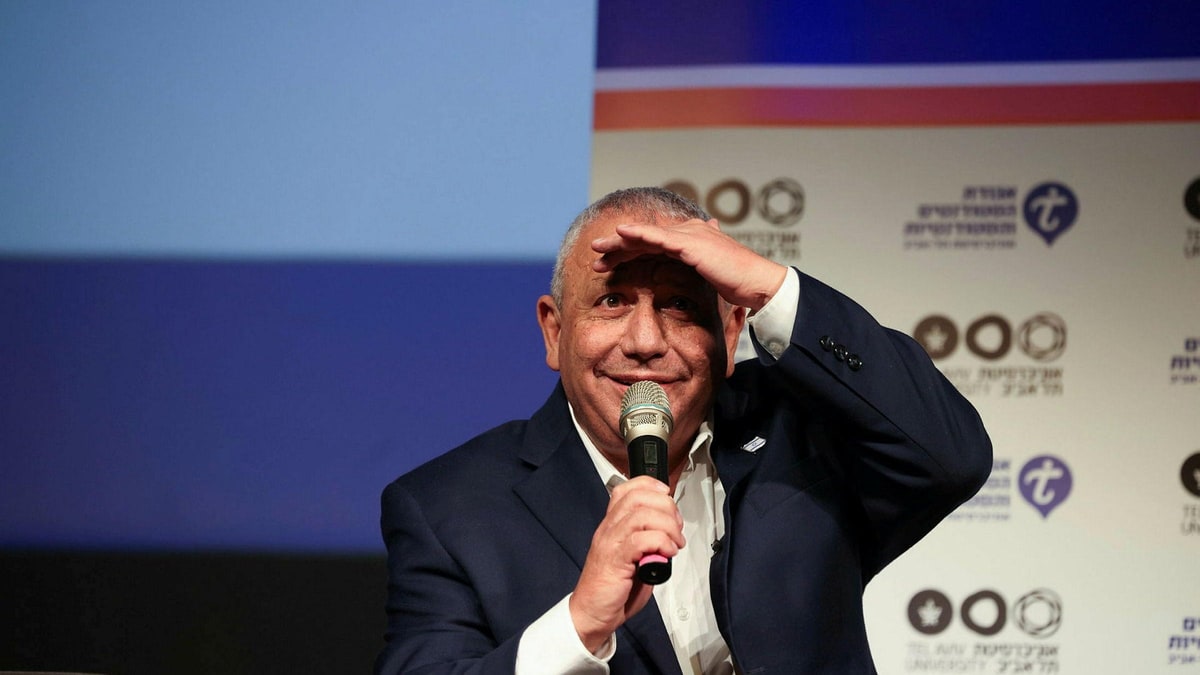
Eisenkot, 66, called Netanyahu a caretaker prime minister “without a mandate or the people’s trust” and promised to form a government “swiftly”. Netanyahu called for “a strong, right-wing national government”. US President Donald Trump urged Israelis to keep Netanyahu in power.
What happens next
The decision moves to President Isaac Herzog. Once official results arrive next week, he consults every party and then names the person he thinks is most likely to build a coalition, who does not have to be the leader of the biggest party. Herzog has said he wants to avoid another election, would back a Netanyahu-Eisenkot unity government if it helped, and that “I don’t think the president of the United States or anybody else can intervene in my discretion.”
Until a new government is sworn in, Netanyahu stays on as caretaker prime minister, with his powers intact, including over the war with Iran.
Why Pakistanis are watching
Pakistan has been part of the mediation around the Iran war, and Netanyahu used election night to raise the idea of fresh joint military action against Iran with Trump. A caretaker Netanyahu with no majority but full war powers is the outcome that keeps the region most uncertain. Markets felt it too: the shekel fell about 1.6% and Tel Aviv’s main indexes dropped more than 3% on Wednesday.
The next date to watch is Herzog’s consultations, which begin after the official results are handed to him next week.