Fatah-3 missile test: Pakistan launches supersonic cruise missile
ISPR says the Army fired the Fatah-3 supersonic cruise missile on Wednesday. What the military claimed, what it left out and how it fits this autumn's tests.
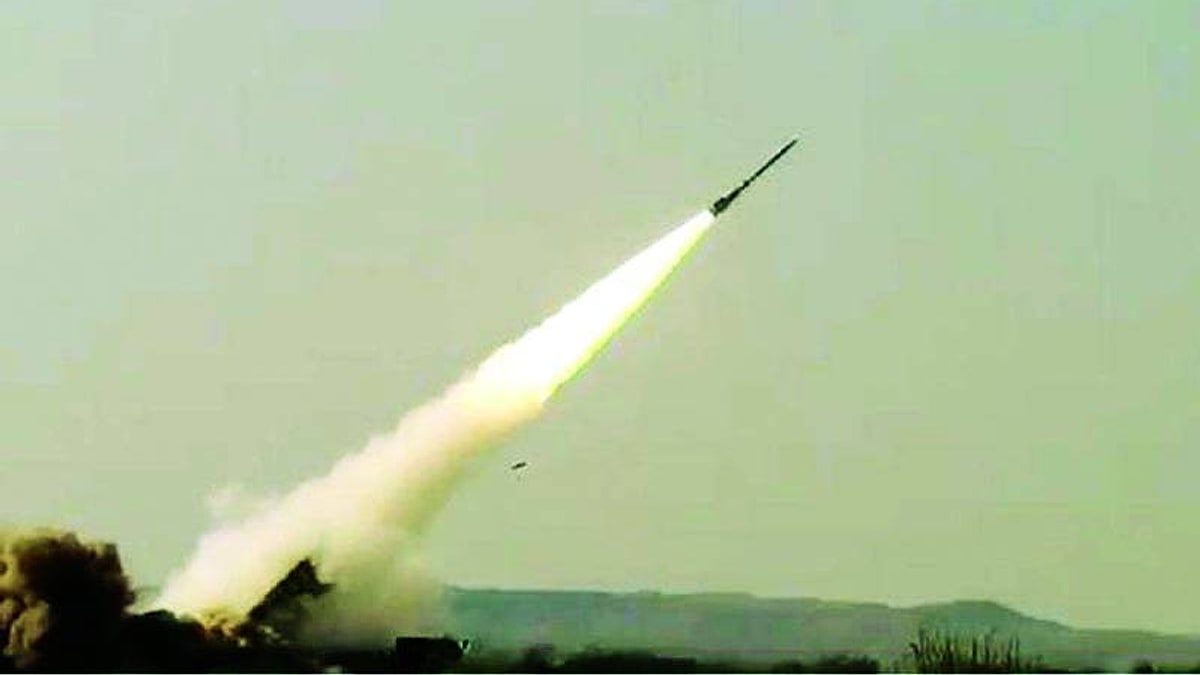
The Pakistan Army test-launched the Fatah-3 supersonic cruise missile on Wednesday, 18 November, the military’s media wing ISPR said. It is the first launch of the Fatah-3 that ISPR has announced since the missile was first shown in a video in May, and the third Fatah-family launch in about six weeks.
What did ISPR say about the Fatah-3?
According to ISPR, the missile has “advanced navigation and propulsion systems” and can hit targets at long range and supersonic speed “with high precision and lethality”, Dawn and The News reported. ISPR said it will “enhance the operational flexibility and strike reach” of the Army Rocket Force Command and strengthen Pakistan’s “conventional deterrence and defence posture”.
The statement did not give a range, a top speed or the place of the launch. All the performance claims so far are ISPR’s; none has been independently checked.
The launch was watched by the Commander of the Army Rocket Force Command, senior officers, scientists and engineers.
Who congratulated the team?
President Asif Ali Zardari, Prime Minister Shehbaz Sharif and Chief of Defence Forces Field Marshal Syed Asim Munir, along with the service chiefs, congratulated the teams, ISPR said. Deputy Prime Minister and Foreign Minister Ishaq Dar called it a “testament to the relentless hard work, skill and innovation of our teams”, and Interior Minister Mohsin Naqvi described it as a major milestone for the country’s defence, Dawn reported.
What is the Fatah-3?
ISPR first revealed the Fatah-3 in a video on 8 May this year, describing it as a ramjet-powered supersonic cruise missile, the defence site Quwa reported. A ramjet breathes air and keeps the missile fast all the way to the target, unlike a rocket that burns out early.
Defence analysts, including Quwa, have pointed out that it looks very much like China’s HD-1, a supersonic missile made by a Chinese private company. Pakistan has not said where the design came from, so that link remains an outside assessment. Quwa also noted in May that no test launch had been publicly seen at that point, so Wednesday’s statement is the first official word that it has flown.
Indian defence writers have compared it with India’s BrahMos, the best-known supersonic cruise missile in the region. There was no official reaction from India’s government by Thursday morning.
Why so many tests this autumn?
The Army Rocket Force Command has been busy. On 6 October Pakistan tested an extended version of the Fatah-IV ground-launched cruise missile, and on 13 October the extended-range Fatah-2, Dawn reported. Earlier this month the air force flight-tested the Fa’az, its first home-made air-to-air missile.
For ordinary Pakistanis, the message from the military is deterrence: a fast missile is harder for air defences to stop, which is the point of building one. What to watch next is whether ISPR releases launch footage or figures, and whether the Fatah-3 is formally inducted into service.