New provinces in Pakistan: Bilawal warns of bloodshed if Sindh is divided
PPP chairman Bilawal Bhutto Zardari says forcing a split of Sindh would lead to bloodshed in Karachi and rejects a referendum. Where the new provinces debate stands.
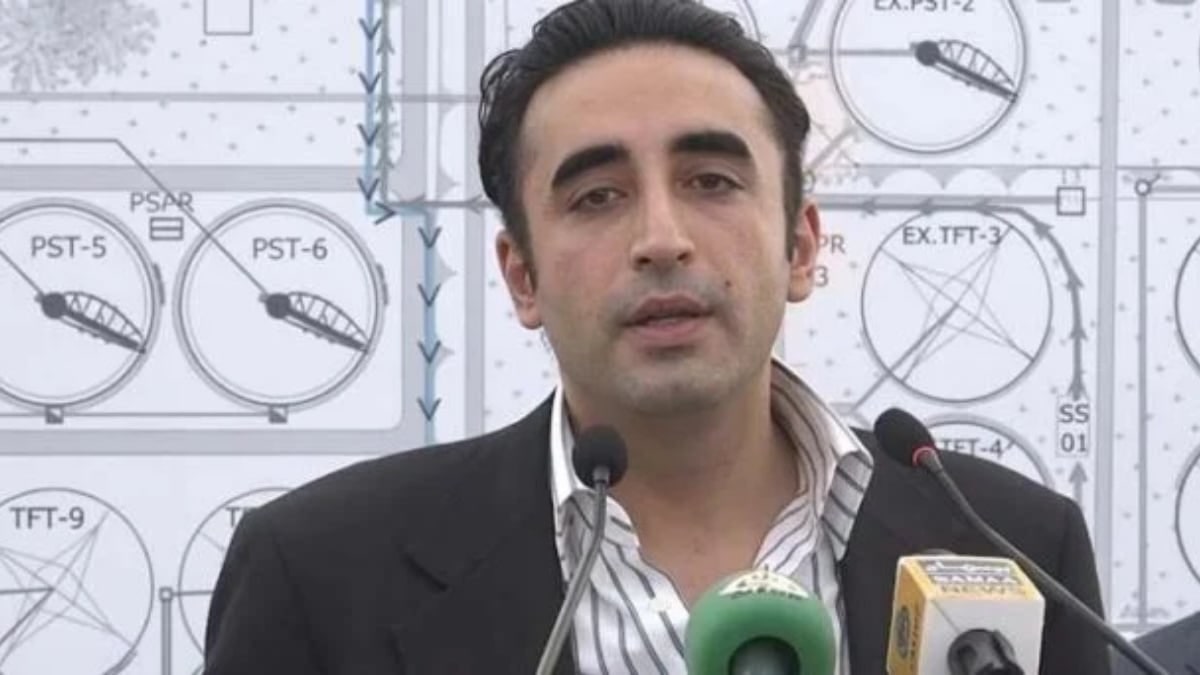
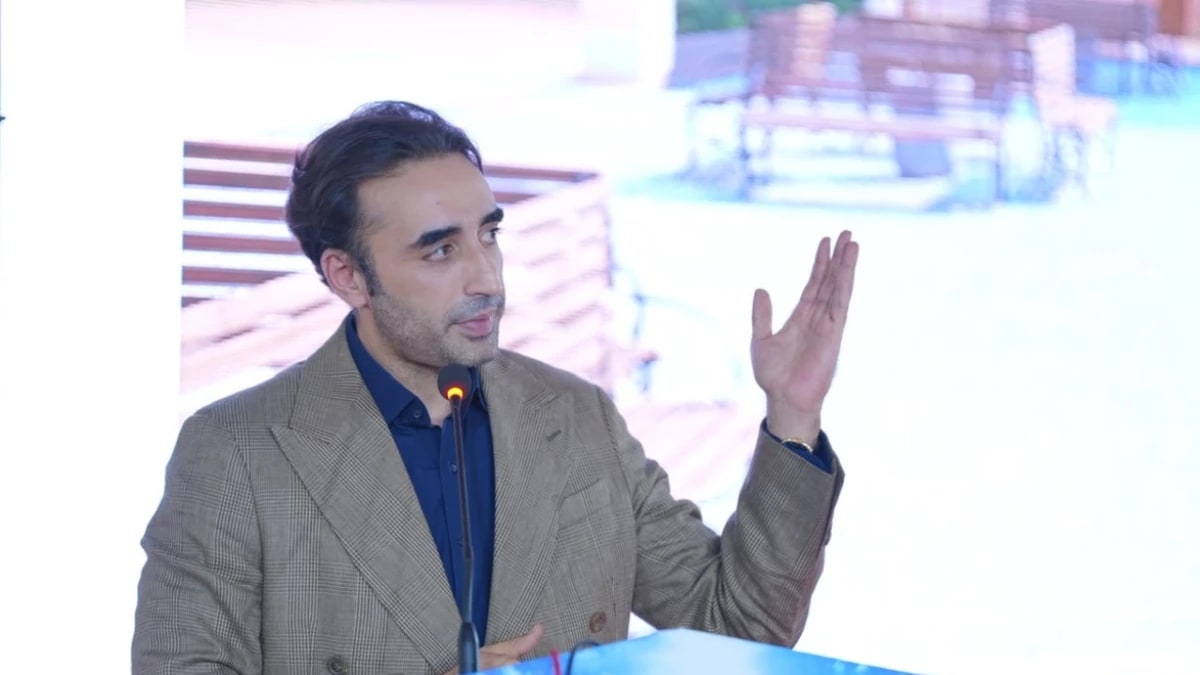
PPP chairman Bilawal Bhutto Zardari has warned that any attempt to divide Sindh against the will of its people would lead to bloodshed in Karachi, the sharpest response yet to the government’s talk of creating new provinces. He spoke at a press conference at the Karachi Press Club this week, ARY News and Abb Takk reported.
Our earlier story explained the plan for up to 12 provinces and a possible referendum. This is the PPP’s answer.
What Bilawal said
Bilawal said the unrest would not stop at Karachi but could spread to Hyderabad, Mirpur Khas, Tando Allahyar and Nawabshah, according to ARY News. He rejected the idea of a referendum on new provinces and questioned the motive behind it, saying the Constitution already sets out how a new province is made.
That process is demanding: under Article 239, changing a province’s borders needs a two-thirds majority in both houses of Parliament and a two-thirds vote in the assembly of the province concerned. In Sindh, that means the PPP, which controls the provincial assembly, has a veto.
The PPP is not against new provinces in principle, the party says, but insists any change must have public support, be agreed with political parties and follow the Constitution, ARY reported.
In a separate speech reported by Dawn, Bilawal also said the political system had been “made to collapse”, a sign of growing strain between the PPP and its coalition partners in Islamabad.
Who wants new provinces
The debate restarted when Interior Minister Mohsin Naqvi floated a referendum on new provinces. Defence Minister Khawaja Asif of the PML-N has argued for new administrative units, suggesting up to 12 provinces. Some reports describe plans for as many as 14. The MQM-P, whose voters are mainly Urdu-speaking Karachiites, supports creating new provinces, including in urban Sindh.
Why it matters
Few issues are as sensitive in Sindh as its unity, and Bilawal’s words were aimed as much at Sindhi voters as at Islamabad. For ordinary people, the open question is whether smaller provinces would bring services closer, as supporters argue, or reopen ethnic fault lines, as the PPP fears.
No bill or formal referendum proposal has been tabled yet. Watch for whether the federal cabinet takes the idea further, and how the PML-N handles its coalition partner.